Acts of Science: Connected
for Facilitators
Part of Citizen Science Month
Host a live event where your community engages with real scientists, participates in research, and sees how every small act moves science forward.
Bring Acts of Science: Connected to Your Community This April—Sign Up to Livestream!
New for 2026! During Citizen Science Month (April 2026), SciStarter and Arizona State University will host weekly live, interactive virtual events spotlighting a citizen science project and the scientist leading it. Libraries, museums, schools, and other community spaces are invited to host satellite events—livestream the session on Zoom and engage participants in real time!
As a satellite host, your organization can use SciStarter’s guided participation instructions and printable resources to lead hands-on activities, connect patrons directly with real research, and contribute to a global goal of 2.5 million Acts of Science in a single month.
💡You don’t need to be an expert! These events include set up time and Q&A, allowing you to learn about the featured project with your audience. See below for more information.
Sign Up to Be a Livestream Host
By applying, you will receive ready-to-use materials, facilitator support, and access to inspiring and engaging virtual events to stream to your organization!
Applications are open until February 1, 2026
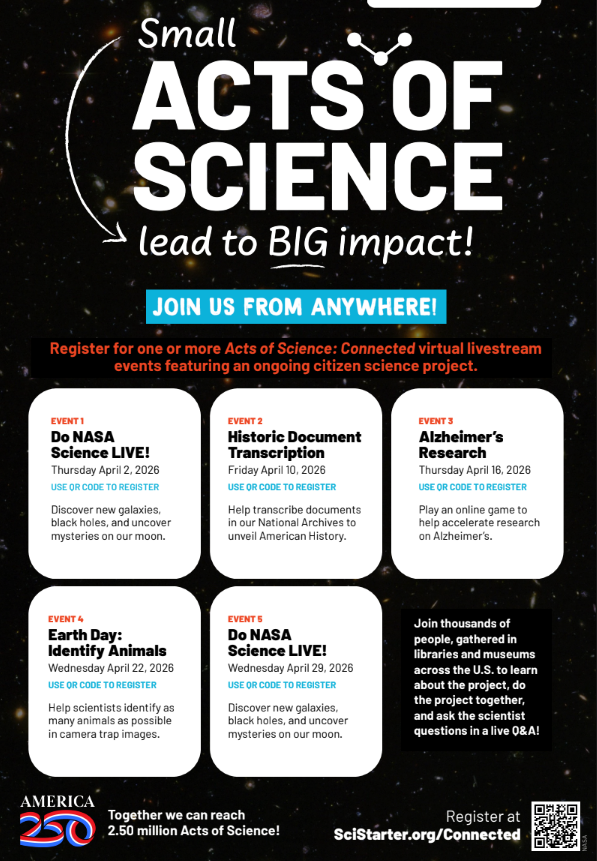
Can’t host a livestream? No problem! Your community can still participate from anywhere. Use our ready-to-print posters to promote all Connected events and encourage independent registration.
For even more resources to bring citizen science to your library or organization—both in April and year-round—consider joining the Citizen and Community Science Library Network.
Acts of Science: Connected Events
There are five unique Acts of Science: Connected event themes. Each theme will take place on its own designated day and will be offered at least twice that day to accommodate different time zones. Please see the event themes, dates, and available times for each event.
APR 2
Offered at:
11 AM PT / 2 PM ET
6 PM PT / 9 PM ET

Zoom
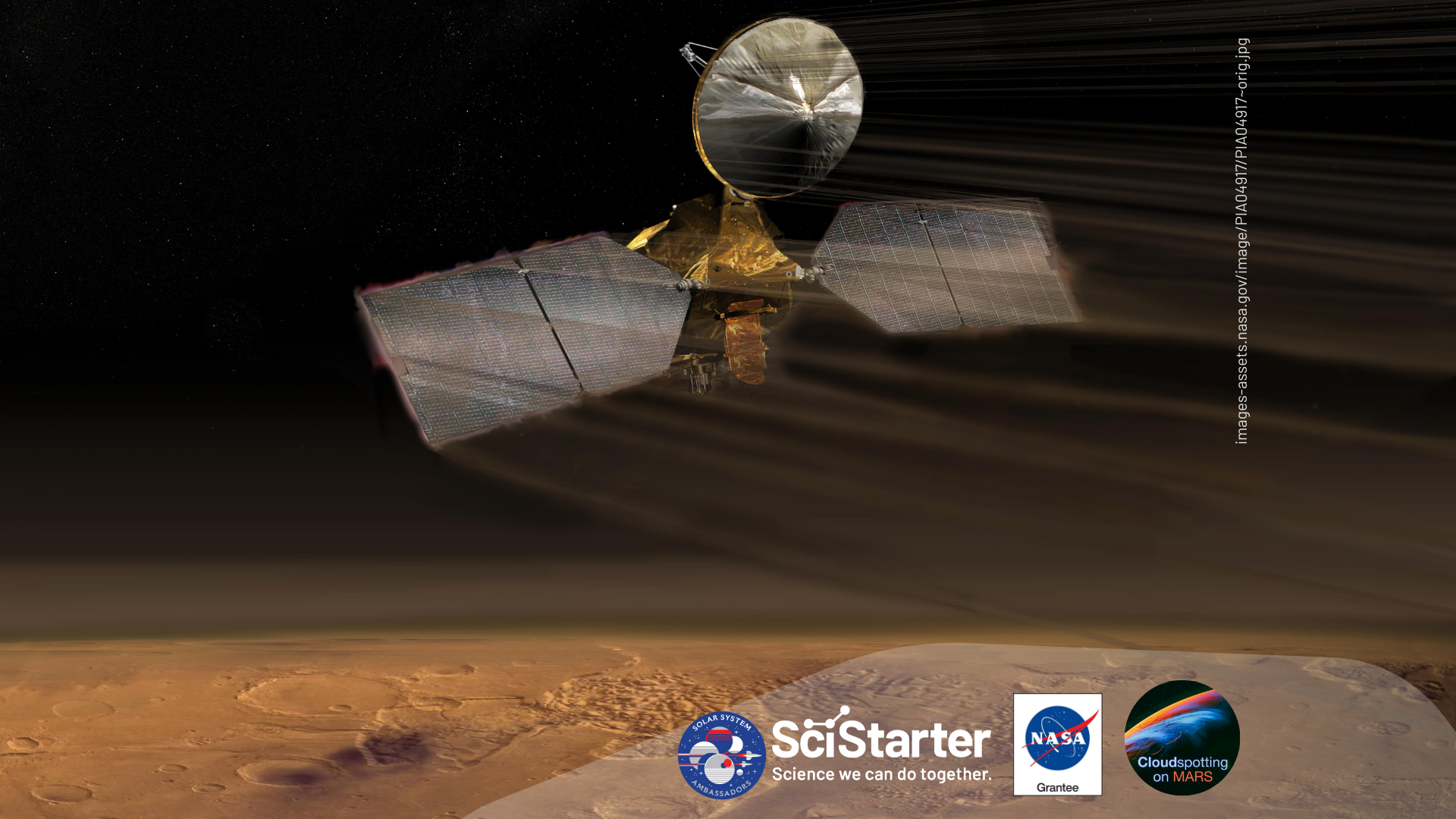
What’s the weather like on Mars?
A Do NASA Science LIVE! Event
APR 10
Offered at:
11 AM PT / 2 PM ET
3 PM PT / 6 PM ET
Zoom
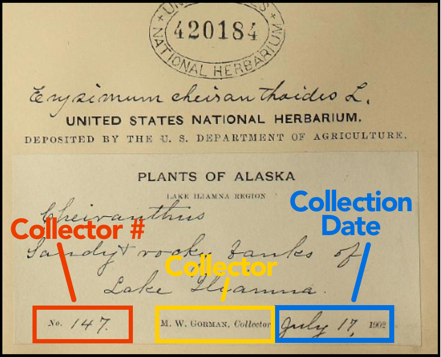
Help transcribe documents in our National Archives to unveil American History
APR 16
Offered at:
11 AM PT / 2 PM ET
3 PM PT / 6 PM ET
6 PM PT / 9 PM ET
Zoom
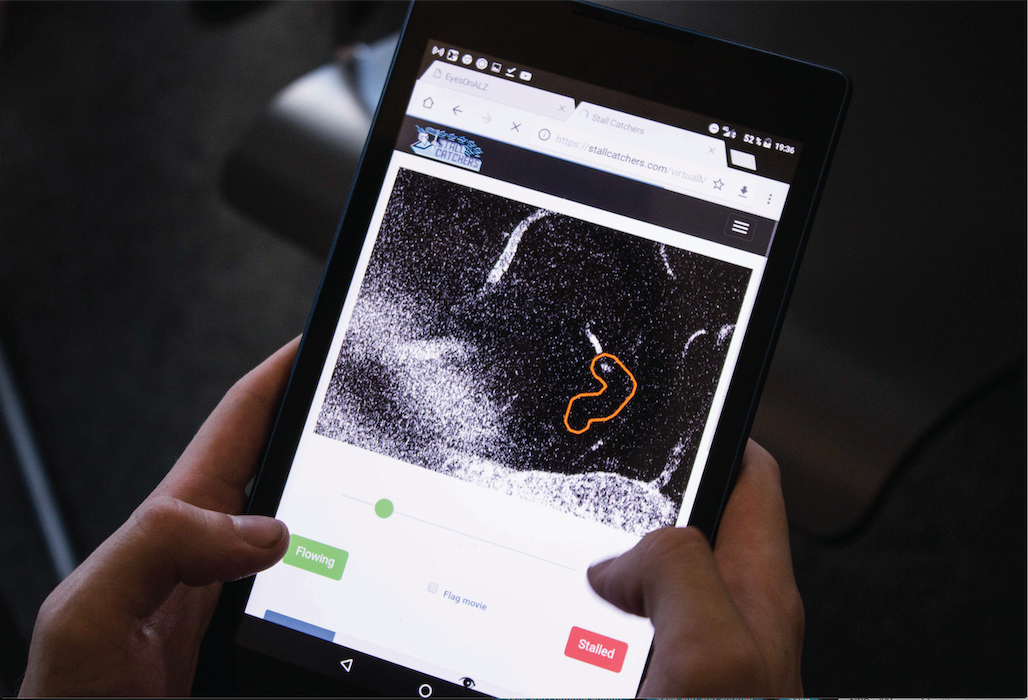
Play an online game to help accelerate research on Alzheimer’s Disease
APR 22
Offered at:
8 AM PT / 11 AM ET
3 PM PT / 6 PM ET
Zoom
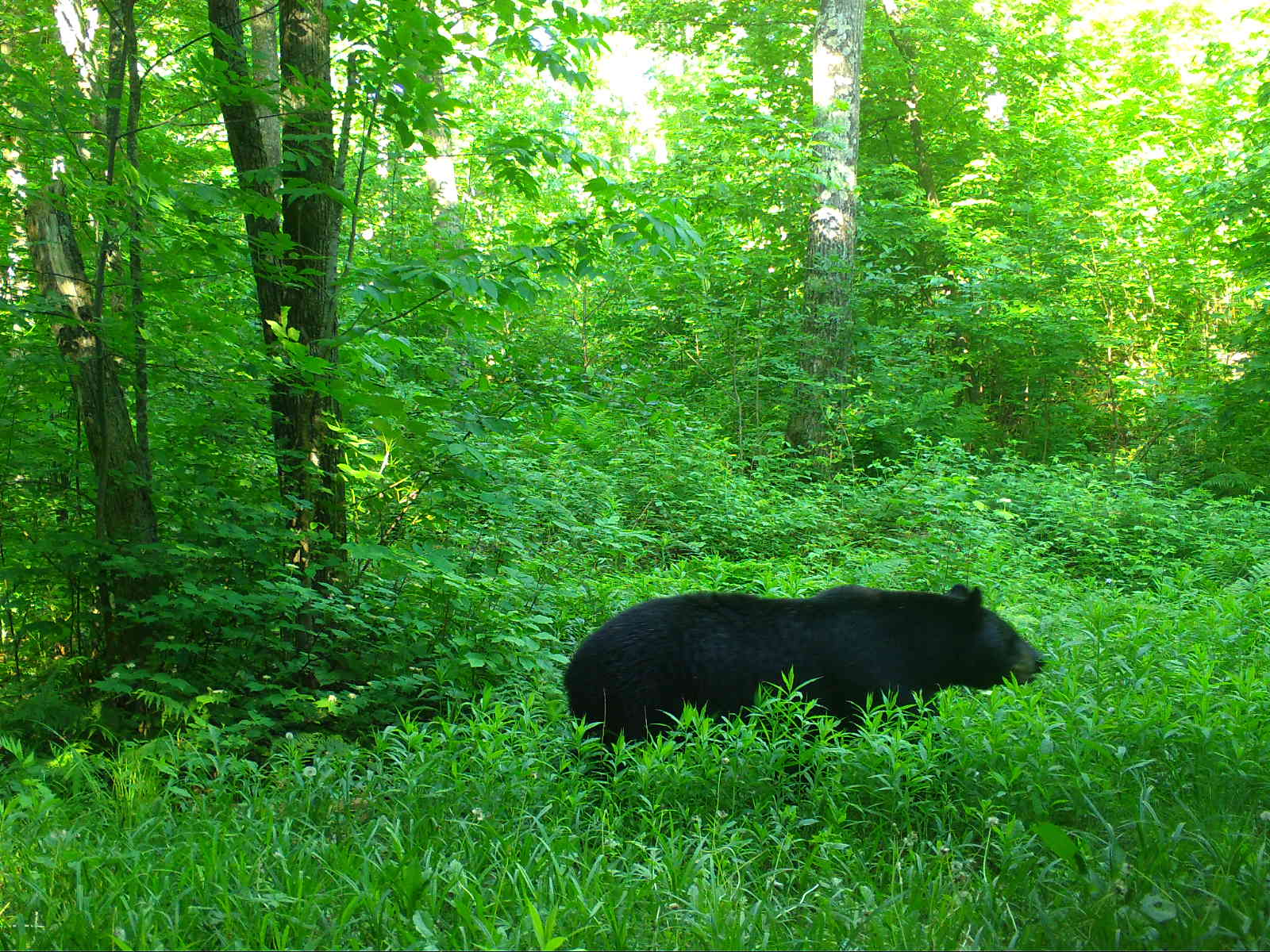
Earth Day Animal Spot-A-Thon,
a Do NASA Science LIVE! Event
APR 29
Offered at:
3 PM PT / 6 PM ET
6 PM PT / 9 PM ET
Zoom
Help NASA uncover mysteries of the cosmos, from faraway galaxies to the moon

How Hosting Works
What is involved for hosting?
If your library, museum, school, or community space wants to host a satellite event, here’s what’s involved — and what support you’ll receive.
Host Responsibilities – What You’ll Need To Provide!
- A venue with A/V capabilities: A large screen (projector or monitor), audio, stable internet, and a computer capable of streaming (e.g., running Zoom).
- Optionally: several computers or devices (laptops/tablets) for attendees who don’t bring their own — though attendees could also use personal devices.
- Onsight Hosting: welcome guests, facilitate the session, lead a quick ice‑breaker/orientation, and help attendees create free accounts if needed.
- Post Event Support: distribute take‑home flyers so patrons can continue participating; and submit a brief post‑event survey to report number of attendees and Acts completed.
SciStarter Responsibilities – What You’ll Get From Us!
- Planning and Promotional Toolkit: event guidance, talking points, printable flyers/posters, take‑home flyers.
- Promotional support: We’ll help you spread the word about your satellite event.
- Pre‑event support: webinars, facilitation support, instructions on how to ensure each Act of Science counts toward the Citizen Science Month tally.
- Ready‑made 2‑hour livestream agenda: from arrival and orientation, to scientist talk, active participation, Q&A, wrap‑up, and take-home resources — fully planned.
- Flexibility — you can choose one or more of the scheduled livestream events to host; or opt for a “display-all-month” model where you simply display posters/QR codes and encourage self‑guided participation.
What does the public see?
Share the excitement of Acts of Science: Connected with your community by directing them to SciStarter.org/Connected. This page—also accessible via QR codes on our print-ready, editable posters—provides event details and links to recordings after each session.
Acts of Science: Connected Event Guide
Use this page to brief staff, volunteers, and community partners. It explains Citizen Science Month, defines an Act of Science, connects the 2.50 Million Acts goal to America 250 and America Gives, and includes a ready-to-run 2-hour livestream agenda for satellite events.
Talking Points
What is Citizen Science Month?
Every April, people of all ages collaborate with researchers by collecting, classifying, and analyzing data that advances real-world science. Libraries, museums, schools, and community spaces become launchpads for discovery—connecting neighbors to meaningful projects they can start in minutes and continue all year.
Community-powered: Local hosts make it social, supportive, and fun.
Accessible: Projects are designed for ages 13 and up; no prior experience needed.
Impactful: Participants contribute real data used by scientists, policy makers, and conservation leaders.
What is an “Act of Science”?
An Act of Science is a single participant action that directly supports a research project—for example:
- Classifying a galaxy in a telescope image or identifying wildlife in a photo.
- Playing a research game (e.g., Stall Catchers) that analyzes real data.
- Transcribing a line of historical text to make archives searchable.
- Recording observations outdoors (air quality, biodiversity, sky brightness, etc.).
Acts are tracked via free SciStarter accounts so contributions count toward personal, library, and national totals.
How does the Citizen Science Month goal of 2.50 Million Acts of Science connect to America 250 and America Gives?
The national goal of 2.50 Million Acts of Science celebrates the United States’ 250th anniversary (America 250) by inviting everyone to contribute to the future through science. This aligns with the civic participation themes of America Gives and America Innovates—highlighting service, curiosity, and public problem-solving.
Continuity: Take-home materials make it easy to keep contributing after the event.
Each Act is civic participation: Libraries help neighbors see themselves as contributors to discovery.
Local to national: Your site’s Acts roll up into a shared national tally.
Acts of Science: Connected Livestream General Agenda
Before You Begin (Host Prep)
- Reserve a space with projector/large screen, speakers, stable internet, and a Zoom-capable computer.
- Print posters, take-home flyers, and gather other supporting materials
- If you are able to provide devices, set up a few computers or a lab area for hands-on participation. If not, encourage attendees to bring their own.
Live Flow (2 Hour Zoom Event)
- 00:00–00:15 — Arrivals & Setup (15 min)
Open the Zoom link on the large screen with audio. Welcome guests. Run a quick ice-breaker (e.g., “Why does this research matter to you?”). Start guided account setup as SciStarter welcomes participating libraries and everyone joining from school, home, or anywhere. - 00:15–00:20 — Orientation (5 min)
Outline what’s planned, how the session works, and how Acts will be counted. - 00:20–00:30 — Meet the Scientist (10 min)
Project scientist introduces the research goals, why volunteers are crucial, and how today’s participation helps. - 00:30–00:50 — Live Demonstration (20 minutes)
The moderator and project leader demonstrate how to participate in the project (guided tasks on screen + individual participation). The scientist and facilitators take questions and provide tips throughout. - 00:50–01:55 — All Hands On Deck (65 min)
Everyone engages in the project together! We continue with live interviews, Q&A, and - 01:50–02:00 — Wrap-Up (10 min)
Scientist explains how volunteer data will be used and ways to stay involved. Library distributes takeaways (flyer or poster with QR) so patrons can continue at home. Host completes the brief survey to tally Acts and provide event feedback.
Individual Event Guides
Each Acts of Science: Connected event date features one citizen science project. Click on the event you are hosting a satellite event for to see all related resources: posters, take home flyers
Can’t host a satellite Event? No problem. Encourage your community to join from home!
Acts of Science: Connected Event Guide
Use this page to brief staff, volunteers, and community partners. It explains Citizen Science Month, defines an Act of Science, connects the 2.50 Million Acts goal to America 250 and America Gives, and includes a ready-to-run 2-hour livestream agenda for satellite events.
Talking Points
What is Citizen Science Month?
Every April, people of all ages collaborate with researchers by collecting, classifying, and analyzing data that advances real-world science. Libraries, museums, schools, and community spaces become launchpads for discovery—connecting neighbors to meaningful projects they can start in minutes and continue all year.
Community-powered: Local hosts make it social, supportive, and fun.
Accessible: Projects are designed for ages 13 and up; no prior experience needed.
Impactful: Participants contribute real data used by scientists, policy makers, and conservation leaders.
What is an “Act of Science”?
An Act of Science is a single participant action that directly supports a research project—for example:
- Classifying a galaxy in a telescope image or identifying wildlife in a photo.
- Playing a research game (e.g., Stall Catchers) that analyzes real data.
- Transcribing a line of historical text to make archives searchable.
- Recording observations outdoors (air quality, biodiversity, sky brightness, etc.).
Acts are tracked via free SciStarter accounts so contributions count toward personal, library, and national totals.
How does the Citizen Science Month goal of 2.50 Million Acts of Science connect to America 250 and America Gives?
The national goal of 2.50 Million Acts of Science celebrates the United States’ 250th anniversary (America 250) by inviting everyone to contribute to the future through science. This aligns with the civic participation themes of America Gives and America Innovates—highlighting service, curiosity, and public problem-solving.
Continuity: Take-home materials make it easy to keep contributing after the event.
Each Act is civic participation: Libraries help neighbors see themselves as contributors to discovery.
Local to national: Your site’s Acts roll up into a shared national tally.
Acts of Science: Connected Livestream General Agenda
Before You Begin (Host Prep)
- Reserve a space with projector/large screen, speakers, stable internet, and a Zoom-capable computer.
- Print posters, take-home flyers, and gather other supporting materials
- If you are able to provide devices, set up a few computers or a lab area for hands-on participation. If not, encourage attendees to bring their own.
- Encourage attendees to sign up for SciStarter with provided instruction half-sheet (coming soon!)
Live Flow (2 Hour Zoom Event)
- 00:00–00:15 — Arrivals & Setup (15 min)
Open the Zoom link on the large screen with audio. Welcome guests. Run a quick ice-breaker (e.g., “Why does this research matter to you?”). Start guided account setup as SciStarter welcomes participating libraries and everyone joining from school, home, or anywhere. - 00:15–00:20 — Orientation (5 min)
Outline what’s planned, how the session works, and how Acts will be counted. - 00:20–00:22 — Meet the Scientist (2 min)
Project scientist introduces the project - 00:22–00:42 — Live Demonstration (20 minutes)
The moderator and project leader demonstrate how to participate in the project (guided tasks on screen + individual participation). The scientist and facilitators take questions and provide tips throughout. - 00:42–01:42 — All Hands On Deck (60 min)
Everyone engages in the project together! We continue with a live interview with the project leader/team on research goals, why volunteers are crucial, and how today’s participation helps. This will also be - 01:42–02:00 — Wrap-Up (18 min)
Scientist explains how volunteer data will be used and what its impact will be. We will review ways to stay involved. Library distributes takeaways (flyer or poster with QR) so patrons can continue at home. Host completes the brief survey to tally Acts and provide event feedback.
After The Event (Takeaways)
- Take home flyer, one per event, (available soon!)
- Encourage participation in other Citizen Science Month activities before the end of the month through SciStarter.org.
Individual Event Toolkits (Coming Soon!)
Each Acts of Science: Connected event date features one citizen science project. Soon, there will be individual event toolkits for hosting a satellite event and promoting all of the events. This will help you understand the featured project, print and copy promotional materials and ensure your audiences are ready to participate.
Why You should host
Hosting Acts of Science: Connected brings several benefits — for your community, your organization, and for science itself:
- Engage your community in real research — offer your patrons a hands‑on, meaningful activity that connects them directly with scientists and research projects.
- Make science accessible and inclusive — no one needs prior expertise; events are designed to be welcoming and accessible to all ages and backgrounds.
- Foster social connection — doing citizen science together makes participation fun, social, and community‑oriented rather than isolating.
- Contribute to a larger national movement — by hosting, your organizations’s Acts contribute to the national goal of 2.50 Million Acts. It’s a way to help make history — tied to America250 and civic participation through America Gives.
- Low prep, high support — hosts receive a turnkey planning and promotional toolkit (sample text and printable flyers/posters), and SciStarter handles the livestream and project facilitation.
- Flexibility — you can tailor hosting to your comfort level: stream a live event, host a “display‑all‑month” self‑guided option with posters and QR codes, or even run your own event using a project that fits your community.
Our Goal of 250 Community Organizations
We are looking for 250 libraries, museums, schools, and other community-based organizations to sign up to host satellite events that will livestream Acts of Science: Connected virtual events to their communities.
SciStarter and ASU are collaborating with the Association of Rural and Small Libraries, STARnet, the Summer Reading Collaborative Program, Teen Science Cafe, NASA, the Association for the Advancement of Participatory Sciences, state libraries and others to find community organizations to host Acts of Science: Connected.
This is an easy turnkey event that your organization can tap into! Each two-hour livestream event will raise awareness of and encourage participation in a citizen science project while addressing key barriers to public involvement in science, including limited awareness, the isolating nature of projects typically done alone, and insufficient understanding of tools or protocols. Hosting events in community-based organizations like libraries makes participation more social and fun by bringing people together to learn and contribute collectively, leading to deeper engagement and greater scientific impact.
Be part of the largest effort to engage people in citizen science simultaneously and help make history, one act of science at a time!
Questions? info@scistarter.org