Project
The Great Sunflower Project
Discover the pollinators in your garden—and help save them
Overview
What We Do
Become a pollinator detective in your own backyard. Thousands of citizen scientists across North America are watching bees visit flowers—in gardens, schoolyards, and parks—and their observations are revealing where pollinators thrive and where they’re struggling. Since 2008, the Great Sunflower Project has built the largest dataset on bee pollinator activity on the continent, and every count adds to our understanding of these essential creatures. Your observations matter: they help us map pollinator health across regions and identify areas that need protection. Join a community of observers making real science happen, one flower visit at a time.
What are pollinators?
Bees, butterflies, hummingbirds, bats, beetles, and flies are pollinators—animals that move pollen between flowers as they forage, enabling plants to create seeds and fruit. This ancient partnership between pollinators and plants makes reproduction possible for nearly 90% of wild flowering plants.
Their work shapes our daily lives: pollinators give us apples, almonds, blueberries, tomatoes, squash, and countless other fruits and vegetables that fill our plates. From backyard gardens to commercial agriculture, these small creatures support local growers and wild habitats alike.
Why It’s Important
Over the past few years, scientific studies have suggested that both honey bee and native bee populations are in trouble. What we don’t know is how this is affecting pollination of our gardens, crops and wild lands. In 2008, we started this project as a way to gather information about our urban, suburban and rural bee populations and to give you the tools to learn about what is happening with the pollinators in your yard.
How You Can Help
While we love to get data from our namesake species, Lemon Queen Sunflowers, you can participate by watching any flowering plant and recording how many pollinators visit, or recording pollinators as you take your favorite hike!
[insert Spanish version]

How to participate
Welcome to the Great Sunflower Project
We are delighted to have you join us and hope that you’ll become part of our community of gardeners, beekeepers, birders and naturalists who are providing thousands of records of pollinators each year. Your records are invaluable data on the state of our pollinators and are helping to build the best data set on plants and pollinators.
You can do a pollinator count anywhere, your yard, a local park, out on a hike. The most useful way to contribute to the Great Sunflower is to find somewhere you can do repeat observations. Each time you visit that place, you can do a pollinator count on any (or all!) of the plants in that space. Over time, this will be a record of the health of your pollinator community.
ADD A COUNT
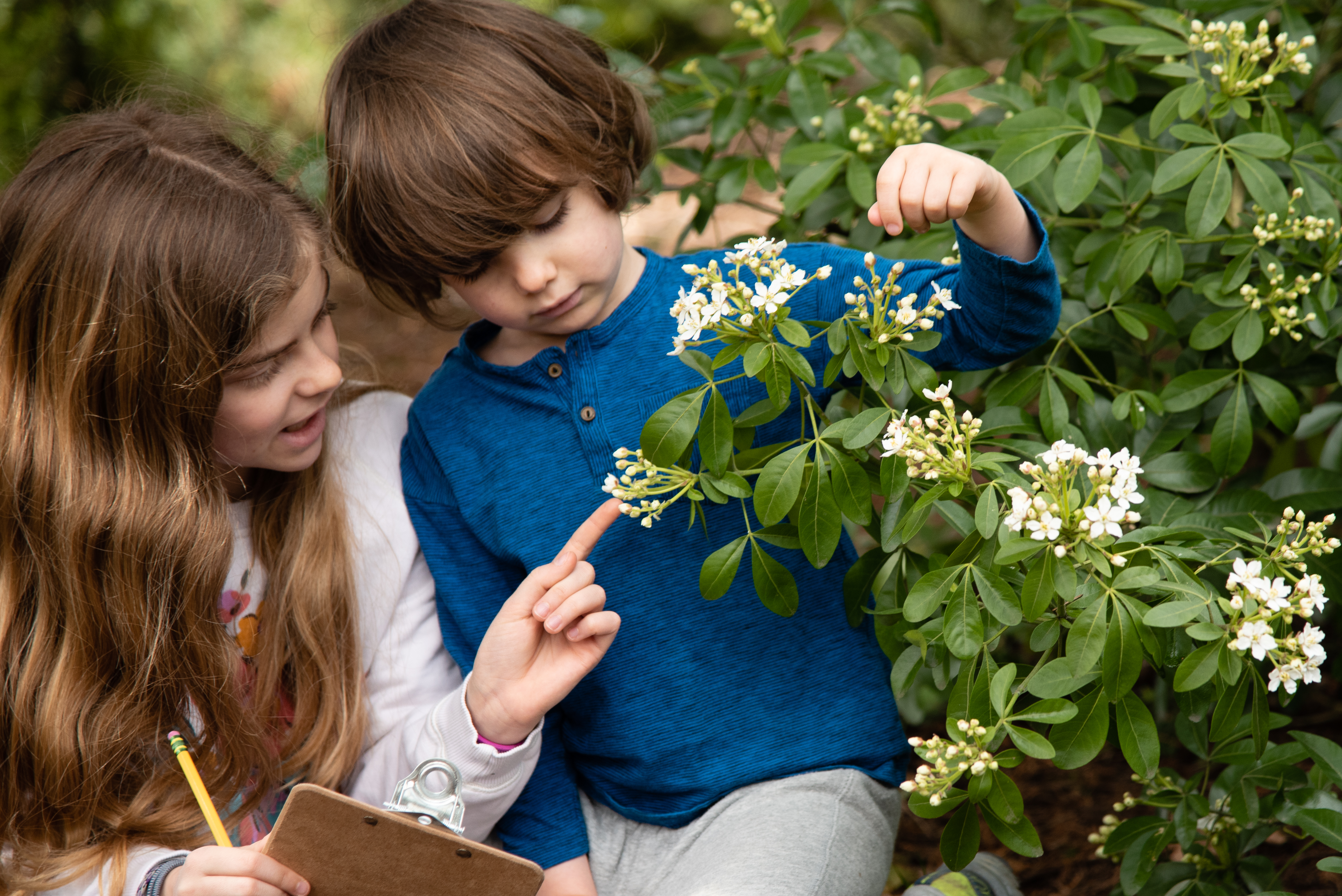
Participate by stopping and watching any flowering plant and recording how many pollinators visit, or do a travelling count and record pollinators as you take your favorite walk or hike! You can make as many observations as you want while your flowers are in bloom.
- Find a plant (such as a Lemon Queen Sunflower)
- Observe it for 5 or more minutes
- Record all pollinators that visit, and contribute data online.
- Tip: Return to the same site for multiple observations across the blooming season.

Anytime

North America

Insects & Pollinators
Ecology & Environment
Food
ADD A GARDEN
Add your garden or greenspace! Complete a “habitat assessment” to get advice on how to improve the garden for pollinators and use it for your pollinator counts. Together, we could easily create hundreds of thousands of patches of pollinator friendly habitat.
- Evaluate: Take the Habitat assessment and make a plan to improve your pollinator habitat.
- Act: Take action on your plan and create better habitat.
- Share: Invite others to participate in pollinator counts in your garden.
Anytime
North America
Insects & Pollinators
Ecology & Environment
Nature & Outdoors
Downloadable Resources
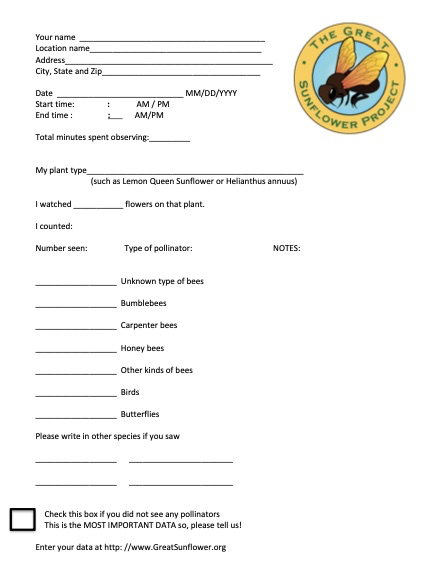
Data Sheets
We have three types of data sheets for pollinator counts that you might like to use. Each of these are word documents so that you can choose to edit them to fit your situation. If you find a way to improve them, please let us know!
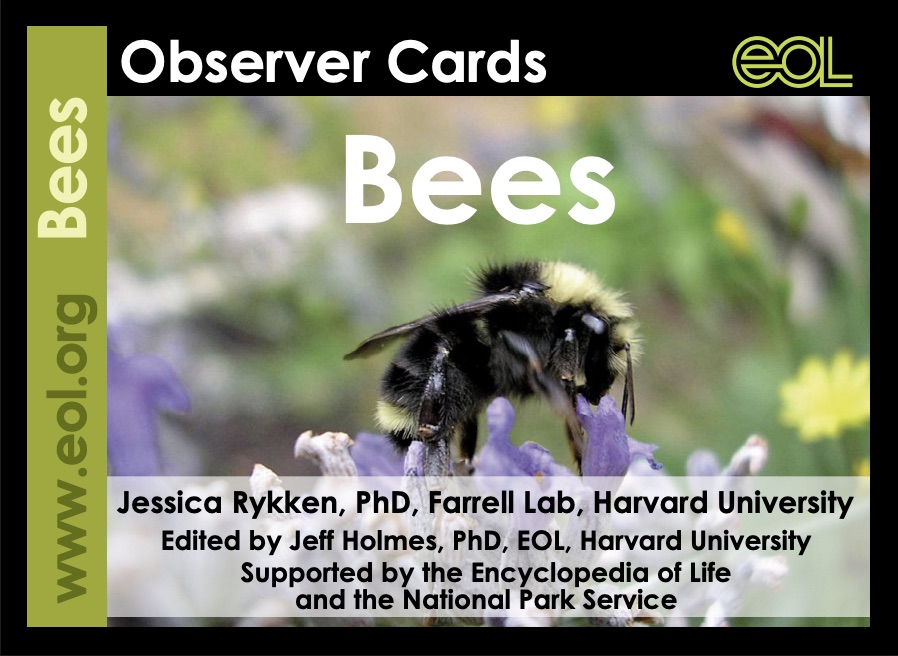
Bee Observer Cards
Here is a wonderful set of information about bees done by Jessica Rykken for the Encyclopedia of Life. You can download them by clicking the button below.
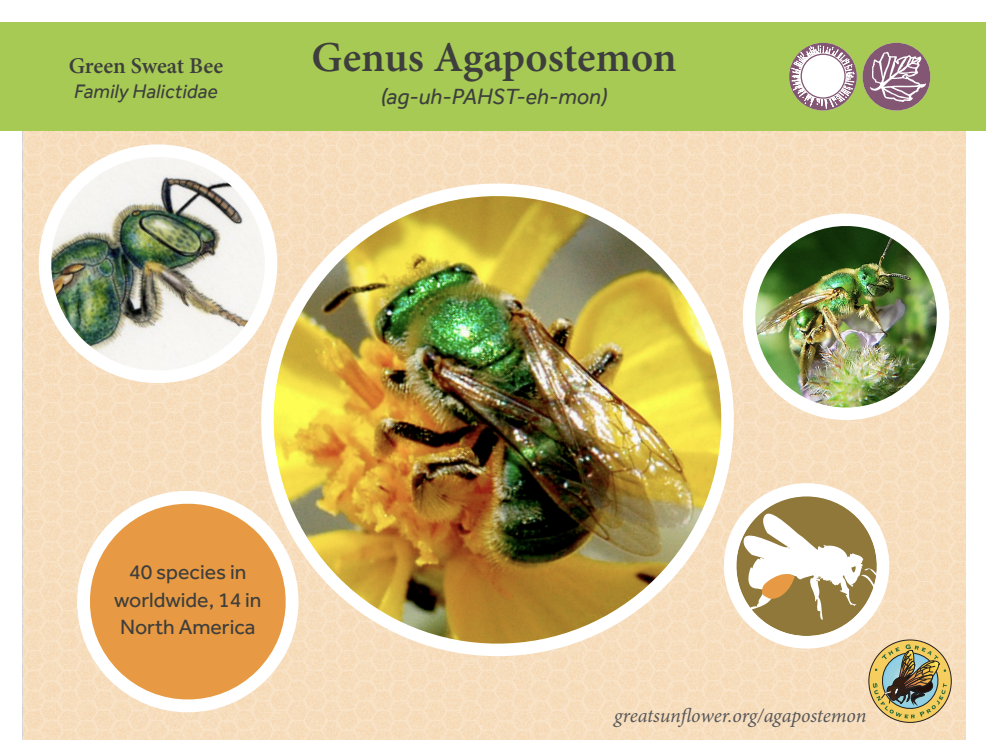
Bee Identification Cards
As a thanks for contributing data and to help you learn more from your counts in the future, We have created a great set of cards to use for identifying genera of bees. There are symbols to indicate the season, whether the bee is a generalist or specialist, and one of the key things we use for identification, the number of submarignal cells in the wing.
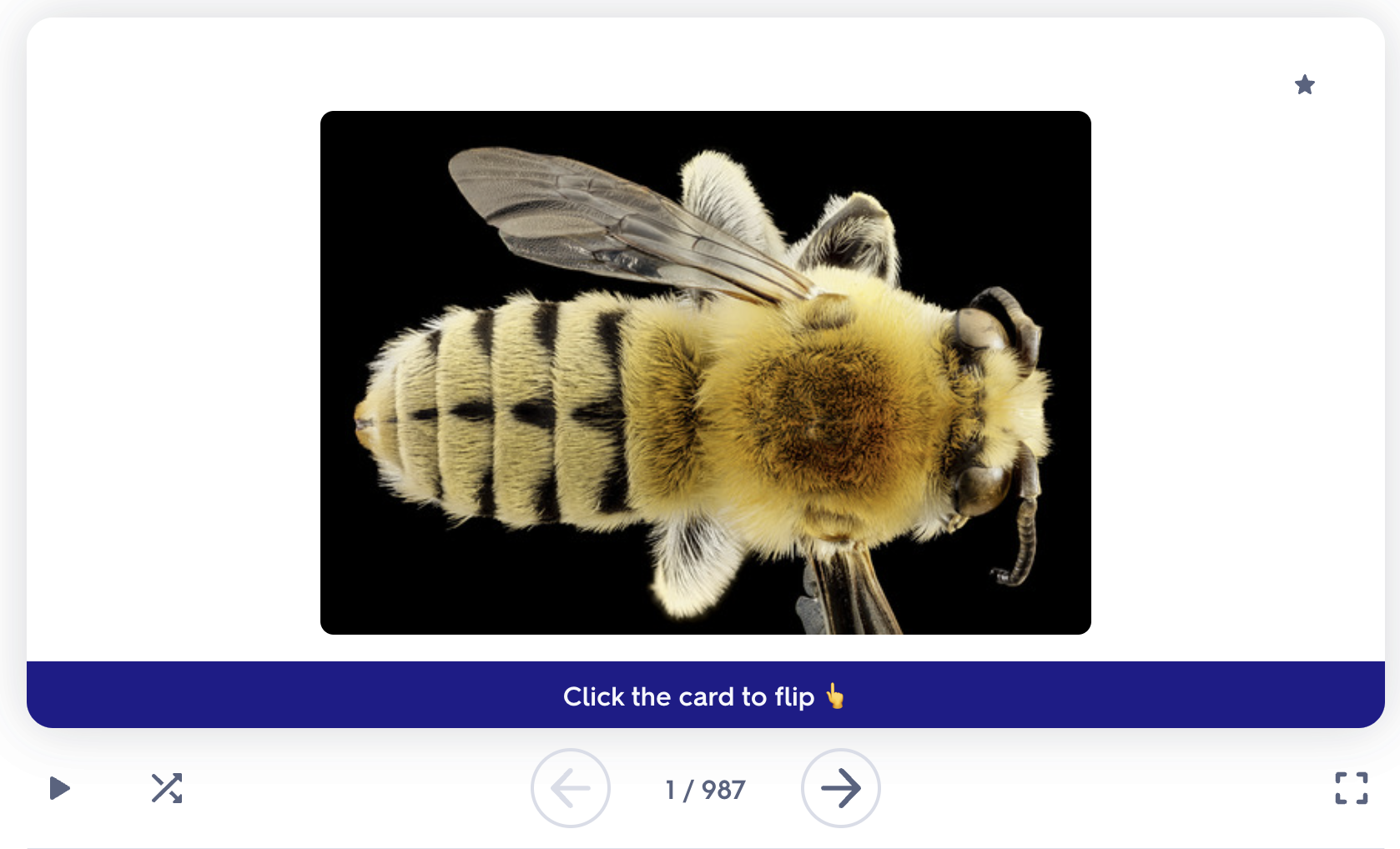
Bee Flashcards
Practice your identification skills with these flashcards of North American Bees on Quizlet.
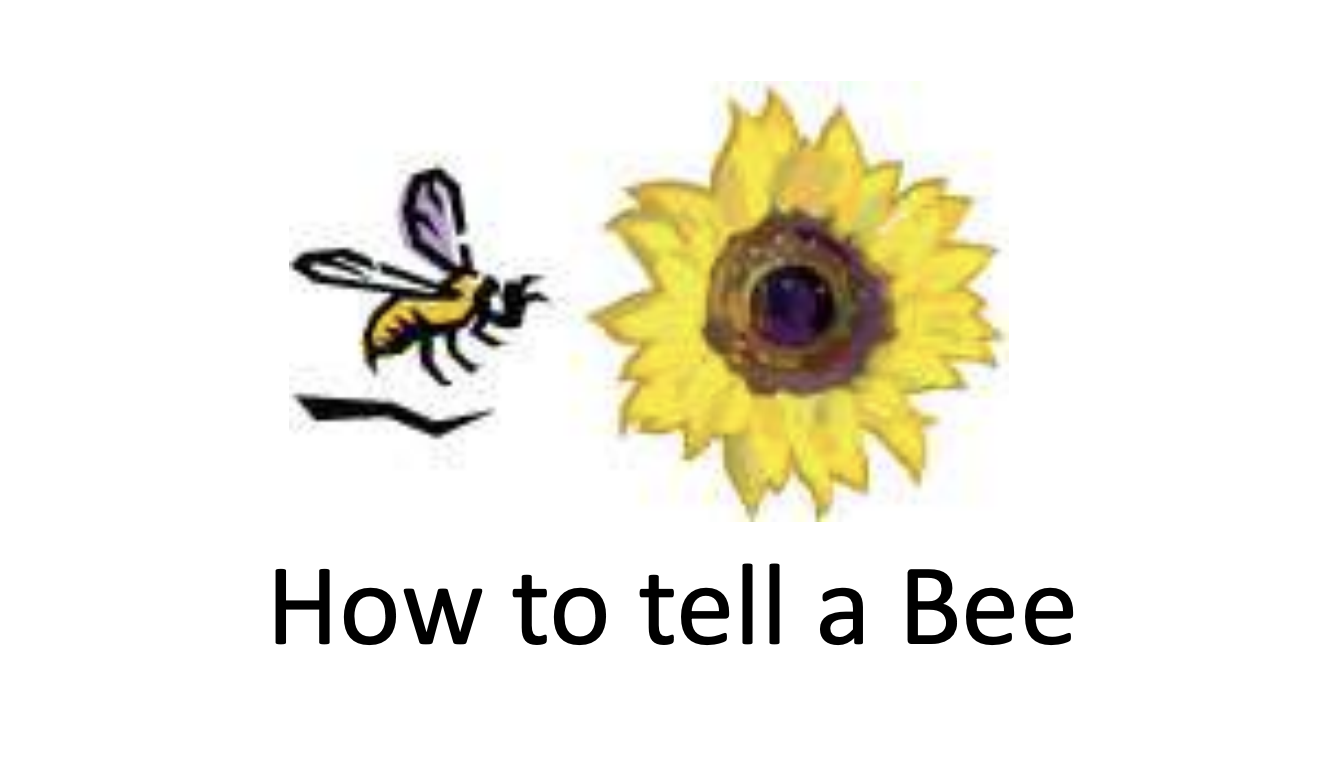
How to tell if your pollinator is a bee, wasp or fly
Here is a slide show to help you to learn the differences between bees, flies and wasps. You can download the pdf by clicking the “View Slideshow” button below. Click the additional buttons to find more guides for identifying pollinators in photos.
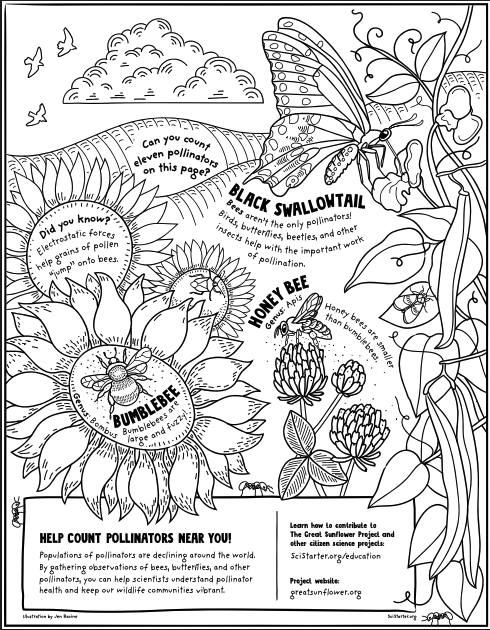
Coloring Sheets
Use these printable pollinator coloring page and worksheets to introduce aspiring citizen scientists to pollinators.
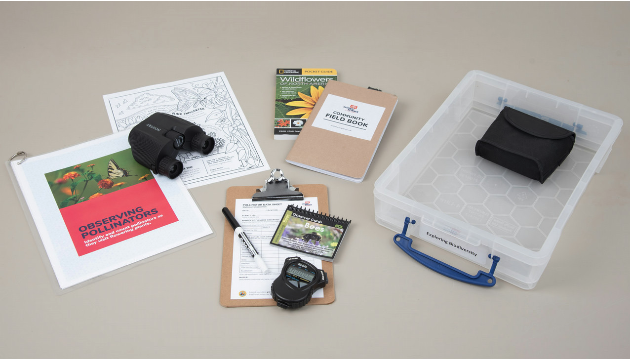
Citizen Science Kit – Observing Pollinators
While very few tools are required for this project, SciStarter has created a Build-a-Kit guide as part of the Libraries as Community Hubs for Citizen Science program. View the kit or find a library in the network that may have kits available to use.
AUG 5
7PM EST
Zoom
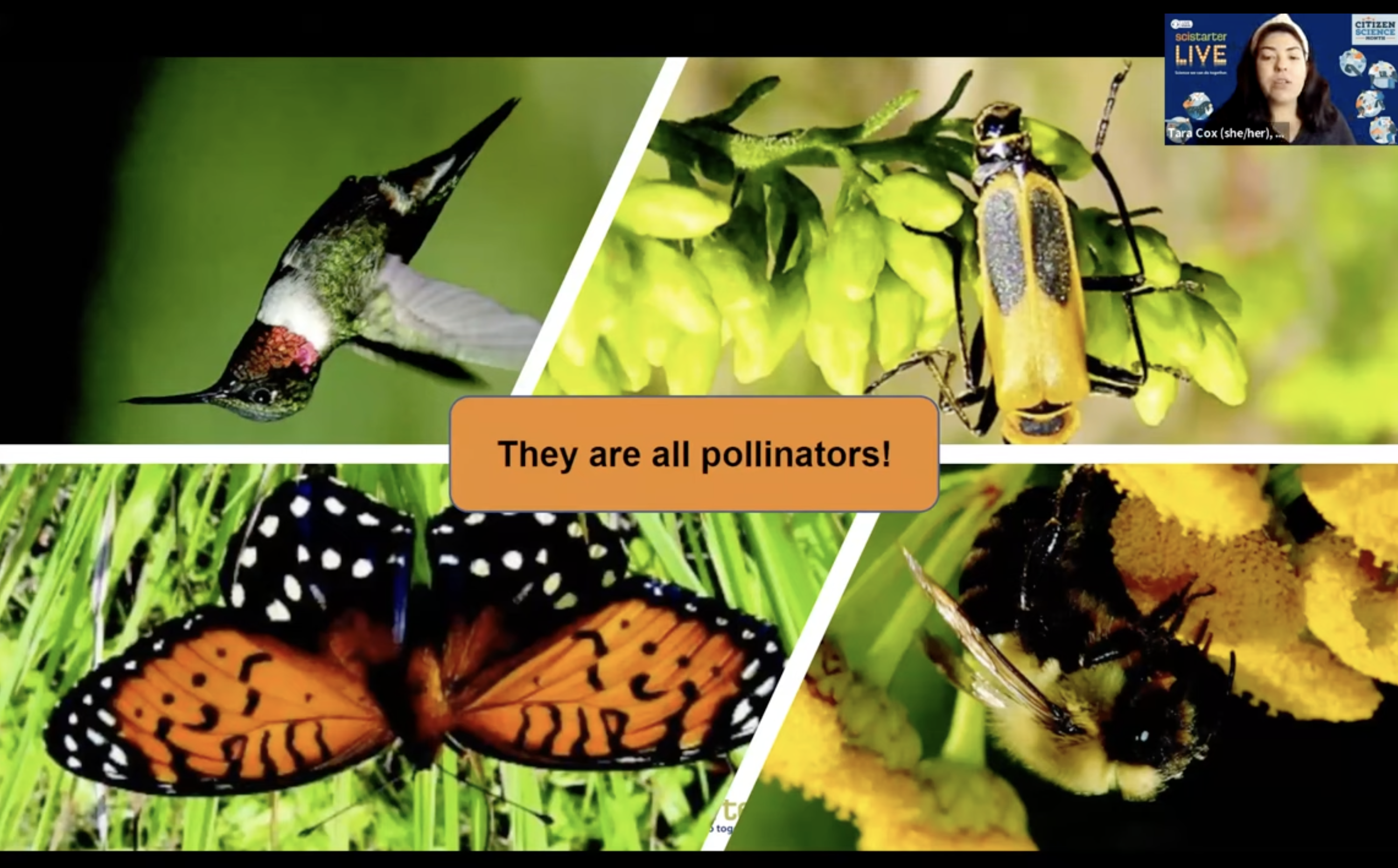
Recording: Pollinator Palooza – Resources, Tools and Testimonials to Plan Your Pollinator Event Today
April 20, 2023
This event was presented by the Citizen and Community Science library network to support libraries and other community based organizations to develop programming for their community. The topic was pollinators and hands on engagement strategies.
Recommended Resources about Pollinators
Recommended Resources about Sunflowers
Trainings
Encourage your learners to complete these free, self-guided, interactive trainings to learn the basics of citizen science.
Foundations of Citizen Science training module
Learn the basics, discover why participation in scientific research matters, participate in projects, and make the most of SciStarter.
Data Literacy training module
Learn about the importance of data literacy and data quality in citizen science.
Bee Book List
- “The Honeybee Man” by Lela Nargi
- “Big City Bees” by Maggie de Vries
- “The Beeman” by Laurie Krebs’
- “The Bee Tree” by Patricia Polacco
- “The Very Greed Bee” by Steve Smallman’s
- “Buzzy the Bumble bee” by Denise Brennan-Nelson
- “The Honey Makers” by Gail Gibbons
- “These Bees Count” by Alison Formento
- “Are you a Bee?” by Judy Allen
- “Honey in a Hive” by Anne Rockwell’s
- “UnBEElievables: Honeybee Poems and Pairings” by Douglas Florian
Coloring Sheets
Use these printable pollinator coloring page and worksheets to introduce aspiring citizen scientists to pollinators.

My Data [This tab will not be available until 2026, integration forthcoming]
Participants will be able to edit their previous observations if more detail is determined.
Explore
3 Sections planned:
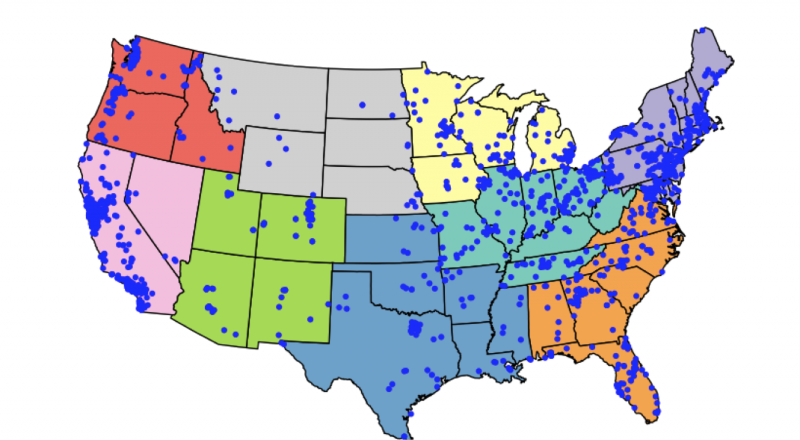
- MapBox map of all data submitted (anonymized) – image 1
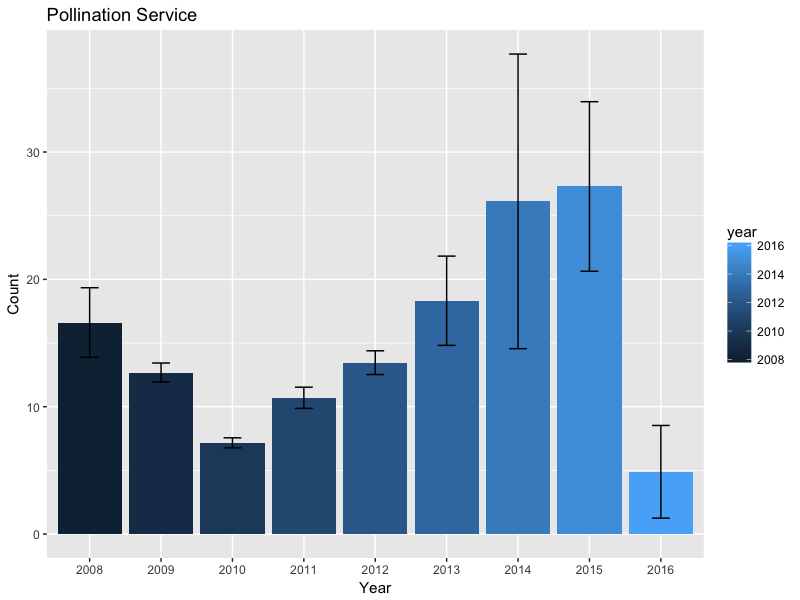
- Annual GSP data in graphical form, see https://www.greatsunflower.org/annualmean for what the project used to provide. We can automate this – image 2
- A section for listing research papers that resulted from the project.