PARTNER
Museum of Science
SciStarter is partnering with the Museum of Science to present real science projects you can do from anywhere. No previous or specialized experience is required!

REAL SCIENCE ANYONE CAN DO!

Welcome to SciStarter!
Science isn’t just something you learn – it’s something you do. With SciStarter, you can take part in real research happening right now, alongside scientists and communities around the world. Whether you have five minutes or a full afternoon, your contributions can help tackle urgent challenges like climate change, biodiversity loss, and more.
How to Get Started
Frequently Asked Questions
Anyone. No experience needed. Designed to be easy to jump into and fun for all ages.
It’s free to participate—just bring your curiosity.
Most projects work on a phone, tablet, or computer. Many libraries offer free Wi-Fi and public devices if needed.
Reach out anytime at info@scistarter.org and the team will assist.
Foundations of Citizen Science Training Tutorial
Complete this self-guided tutorial to learn more about what citizen science is and how to participate. You’ll even earn a digital badge for your LinkedIn profile!
Featured Projects
Explore featured Museum of Science, Boston projects.
Discover citizen science projects you can participate in anytime—on your own or with others. These projects contribute to real research and are open to all skill levels.
All Projects
Rubin Comet Catchers
- What You’ll Do: Classify images of solar system bodies as having a tail or not to find comets
- Who Can Participate: All ages

Anytime

Anywhere

Space
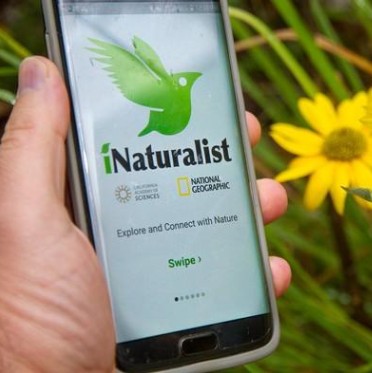
iNaturalist
- What You’ll Do: Take photos of biodiversity and upload to an app or website
- Who Can Participate: All ages
- Get SciStarter Credit: Add your iNaturalist user name to your SciStarter Profile so you can track your participation across projects
Anytime
Anywhere
Environment
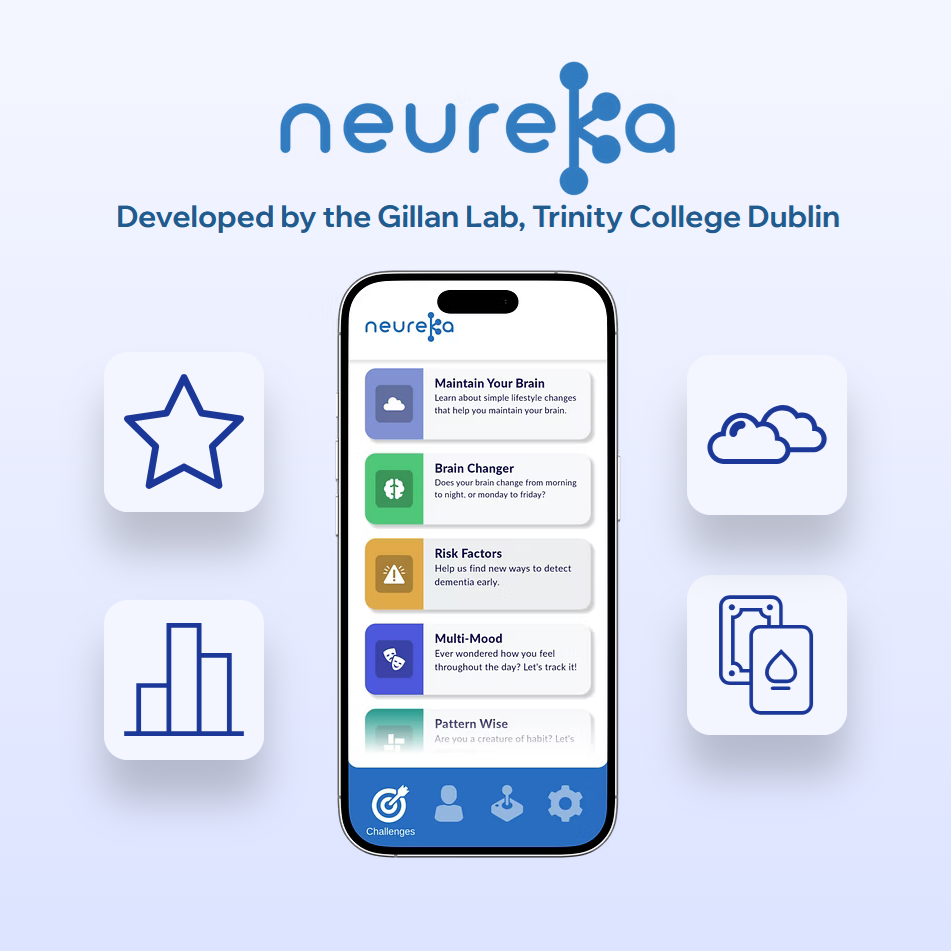
Neureka
- What You’ll Do: Play games on your phone and answer questions about your mental health
- Who Can Participate: Best for ages 18+
- Get SciStarter Credit: Use the same email address (case sensitive!) you used to create your SciStarter account to join this project so you can track your participation across projects
Anytime
Anywhere
Life science, health
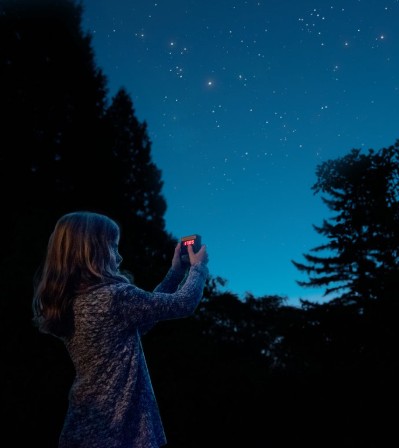
Globe at Night
- What You’ll Do: Count stars you can see in featured constellations to assess light pollution
- Who Can Participate: All ages
- Get SciStarter Credit: Use the same email address (case sensitive!) you used to create your SciStarter account to join this project so you can track your participation across projects
Anytime
Anywhere
Space
Imagine, as a child, seeing the first photograph of Earth rising above the Moon’s horizon in 1968, or being captivated by the possibilities of space exploration in early episodes of Star Trek. Now imagine deepening that sense of wonder at the Museum of Science, Boston—learning directly from experts just how awe-inspiring astronomy can be.
That was my experience. Weekly trips to the Museum’s planetarium and time spent exploring its exhibits sparked a lasting curiosity and determination to pursue astronomy. That inspiration later led to a career in education and public outreach at NSF NOIRLab, the U.S. national center for ground-based, nighttime optical and infrared astronomy, and to co-founding Globe at Night, a global citizen-science initiative that invites people to measure and report night sky brightness to help track light pollution worldwide. Now celebrating its 20th anniversary, Globe at Night has engaged participants across more than 180 countries.
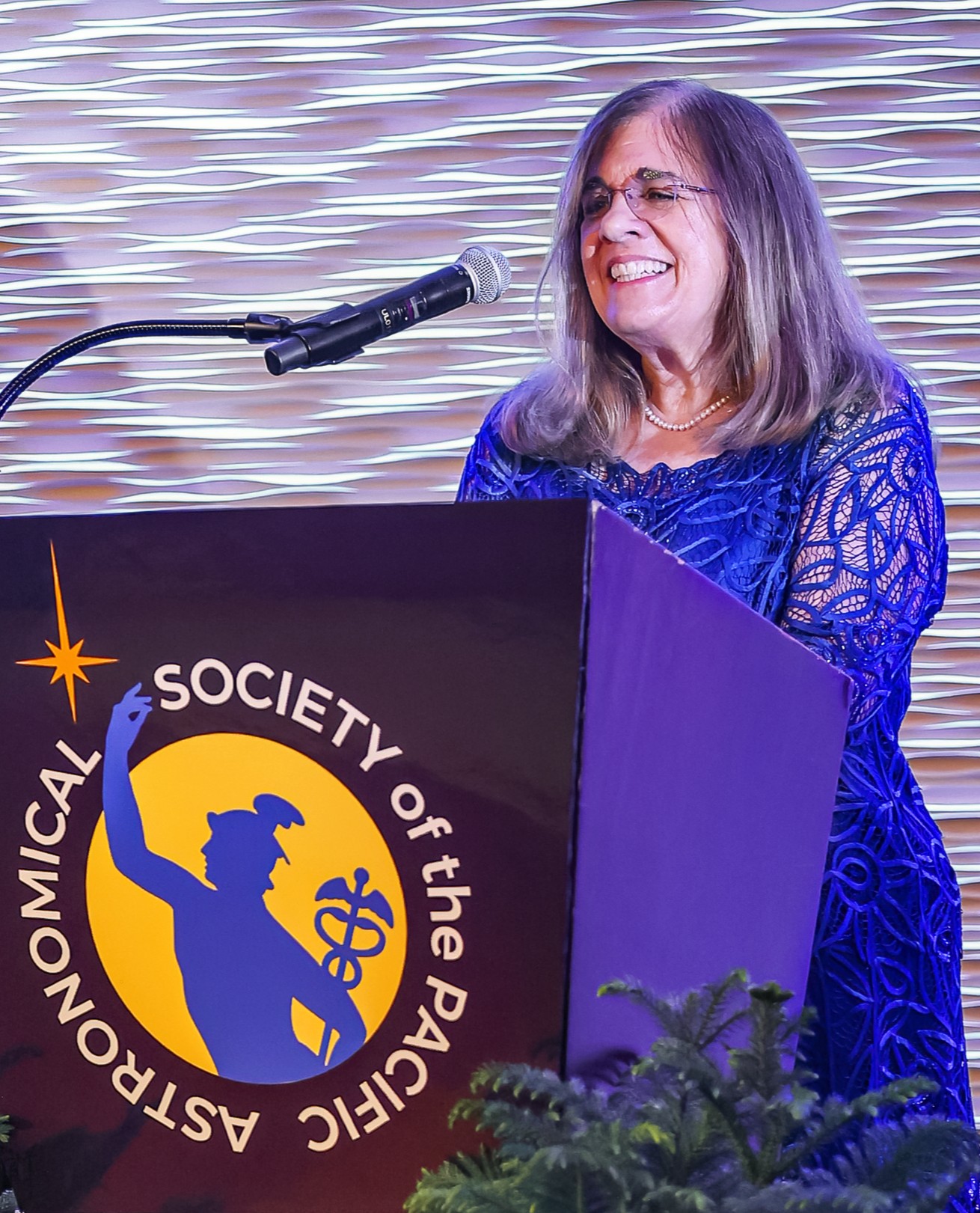
Through its platform and community, SciStarter has played an important role in expanding participation in Globe at Night—connecting new audiences, amplifying outreach, and making it easier for people everywhere to contribute meaningful observations. I’m thrilled to see this work continue and grow through the new partnership between SciStarter and the Museum of Science, bringing that same sense of inspiration to new generations.
Connie Walker, Director, Globe at Night
Globe at Night
What You’ll Do: Count stars you can see in featured constellations to assess light pollution.
Who Can Participate: All ages
Anytime
Anywhere
Space
Imagine, as a child, seeing the first photograph of Earth rising above the Moon’s horizon in 1968, or being captivated by the possibilities of space exploration in early episodes of Star Trek. Now imagine deepening that sense of wonder at the Museum of Science, Boston—learning directly from experts just how awe-inspiring astronomy can be.
That was my experience. Weekly trips to the Museum’s planetarium and time spent exploring its exhibits sparked a lasting curiosity and determination to pursue astronomy. That inspiration later led to a career in education and public outreach at NSF NOIRLab, the U.S. national center for ground-based, nighttime optical and infrared astronomy, and to co-founding Globe at Night, a global citizen-science initiative that invites people to measure and report night sky brightness to help track light pollution worldwide. Now celebrating its 20th anniversary, Globe at Night has engaged participants across more than 180 countries.
Through its platform and community, SciStarter has played an important role in expanding participation in Globe at Night—connecting new audiences, amplifying outreach, and making it easier for people everywhere to contribute meaningful observations. I’m thrilled to see this work continue and grow through the new partnership between SciStarter and the Museum of Science, bringing that same sense of inspiration to new generations.
Connie Walker
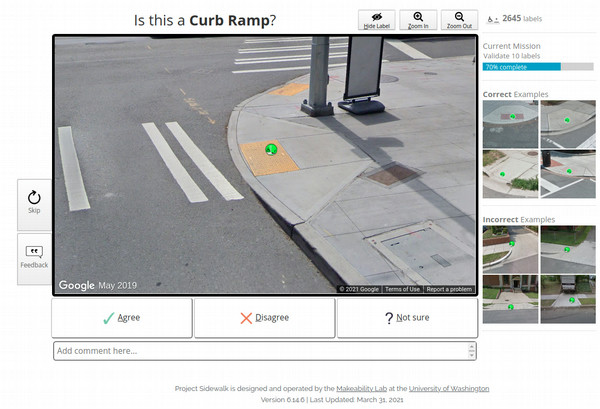
Project Sidewalk
- What You’ll Do: Find accessibility problems in cities around the world by annotating Google Earth data
- Who Can Participate: All ages
- Get SciStarter Credit: Use the same email address (case sensitive!) you used to create your SciStarter account to join this project so you can track your participation across projects
Anytime
Anywhere
Revolutionary science
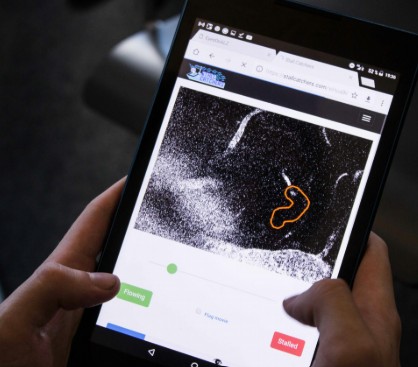
Stall Catchers
- What You’ll Do: Help Alzheimer’s researchers by annotating stalled blood vessels in videos of mouse brains
- Who Can Participate: All ages
- Get SciStarter Credit: Use the same email address (case sensitive!) you used to create your SciStarter account to join this project so you can track your participation across projects
Anytime
Anywhere
Life science, health
Dark Energy Explorers
- What You’ll Do: Identify distant galaxies to help measure dark energy when the universe was just ~2-3 billion years old
- Who Can Participate: Best for ages 14+
- Get SciStarter Credit: Add your Zooniverse user name to your SciStarter Profile so you can track your participation across projects
Anytime
Anywhere
Women in Science

Introductory video, presented by Lindsay House, a Museum of Science, Boston Science Communication Fellow
About the Museum of Science
As science and technology increasingly shape our lives, the Museum of Science strives to equip and inspire everyone to use science for the global good. Among the world’s largest science centers and New England’s most attended cultural institution, we reach over 300 million people a year—at Science Park and in museums around the world, in classrooms, and online. Established in 1830, the Museum is home to such iconic attractions as the Theater of Electricity, the Charles Hayden Planetarium, and the Mugar Omni Theater. The Museum influences formal and informal STEM education through research and national advocacy, as a strong community partner and loyal educator resource, and as a leader in universal design, developing exhibits and programming accessible to all. Learn more at MOS.org.
Quick Links
- Visit the Museum: https://www.mos.org/visit
- Upcoming Events: https://www.mos.org/events
- Centers for Public Science Learning: https://www.mos.org/centers
