PARTNER
Citizen Science: 7 Ways to Investigate Together
Explore the upcoming book that introduces young readers to the world of citizen science!
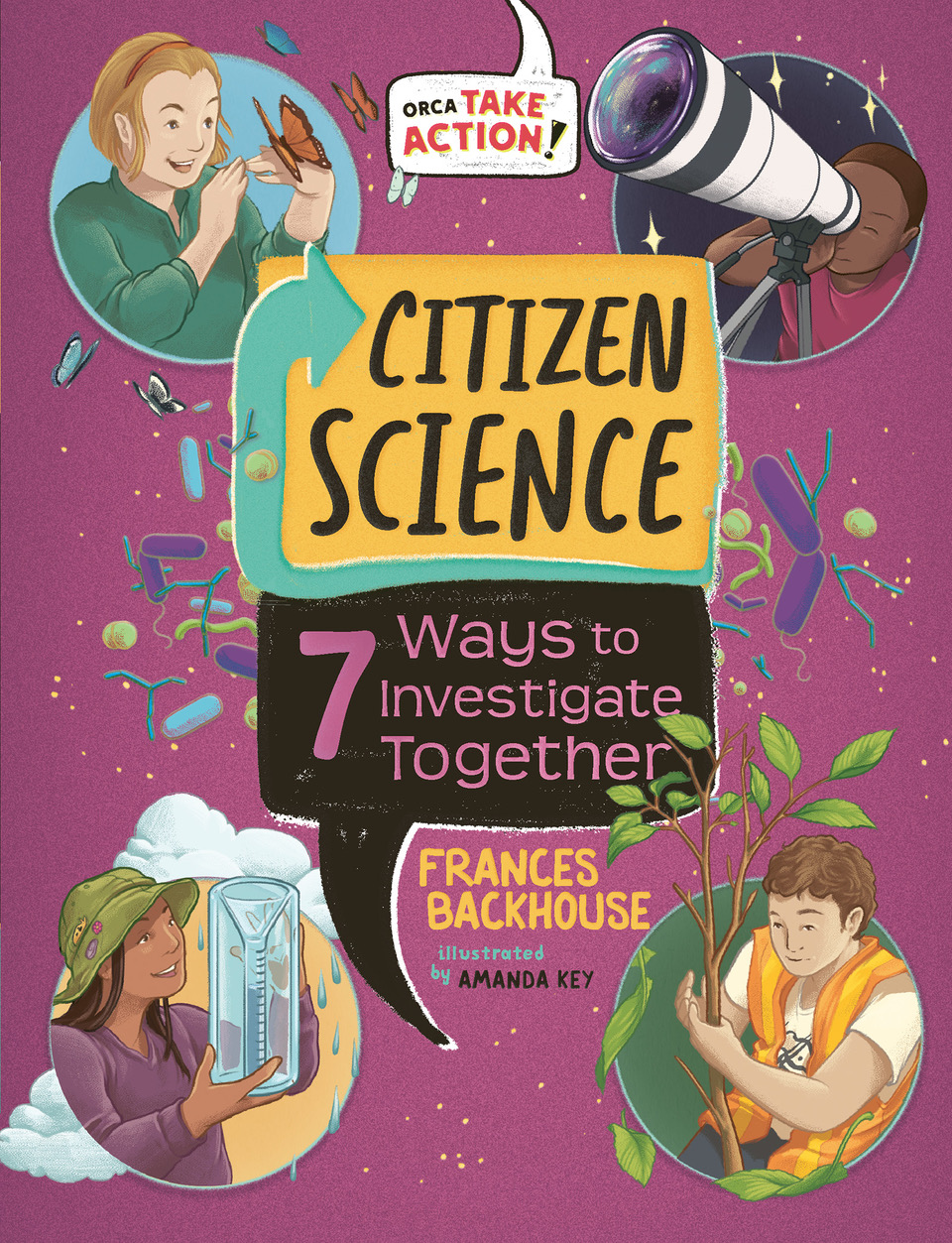
Coming Soon!
Citizen Science: 7 Ways to Investigate Together by Frances Backhouse introduces young readers to the exciting world of citizen science, where everyday people work alongside researchers to answer real scientific questions. Through stories, examples, and hands-on opportunities, the book shows how curiosity can lead to meaningful discoveries and positive change.
Readers will explore a variety of citizen science projects, hear from young people who have participated in them, and learn how to find projects that match their own interests. Whether you’re fascinated by wildlife, space, health, or the environment, this book offers an engaging introduction to making a real contribution to scientific research.
SciStarter is proud to partner in sharing this resource. Purchase information and links to featured citizen science projects will be added as they become available.
Foundations of Citizen Science
Ready to continue your citizen science journey?
Check out the Foundations of Citizen Science training, a free, online, self-paced tutorial from SciStarter.
Upon completion, you’ll also receive a Foundations of Citizen Science digital badge on your SciStarter profile!
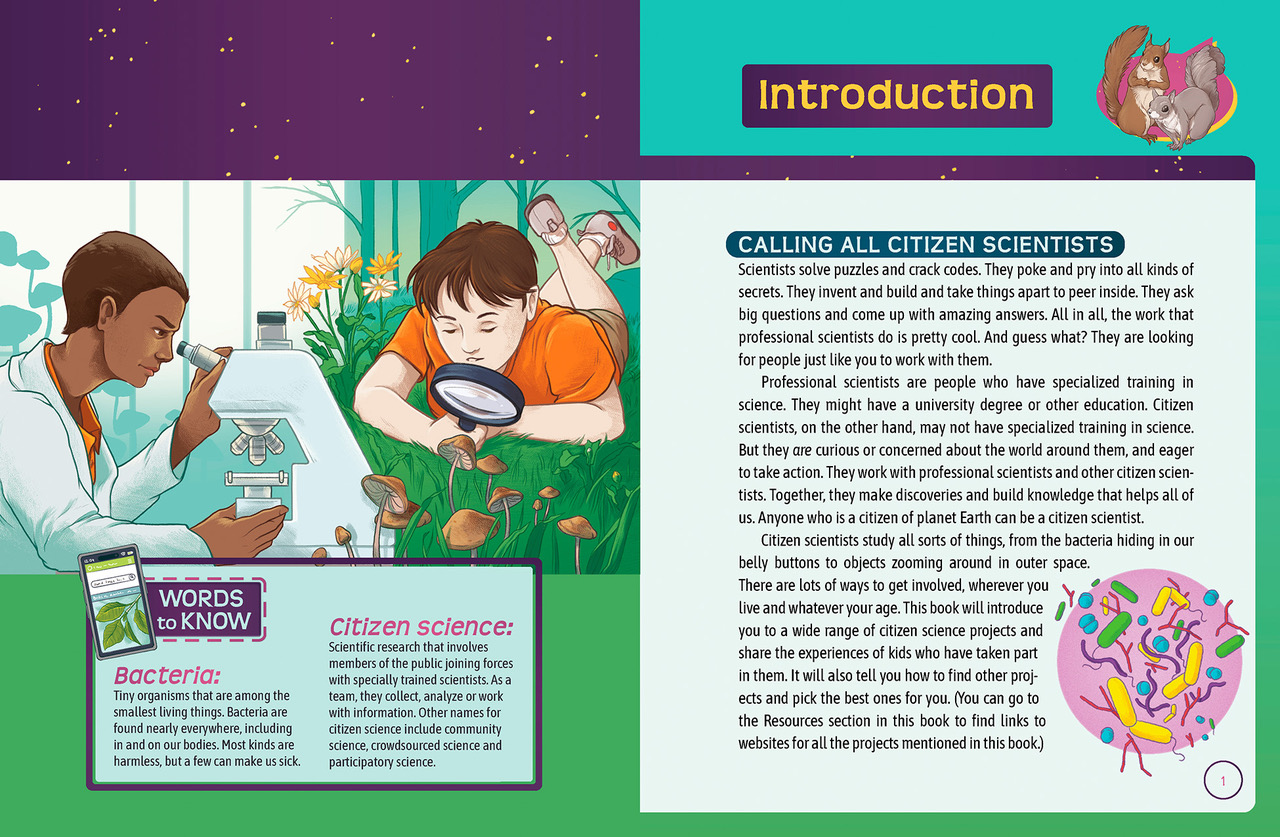
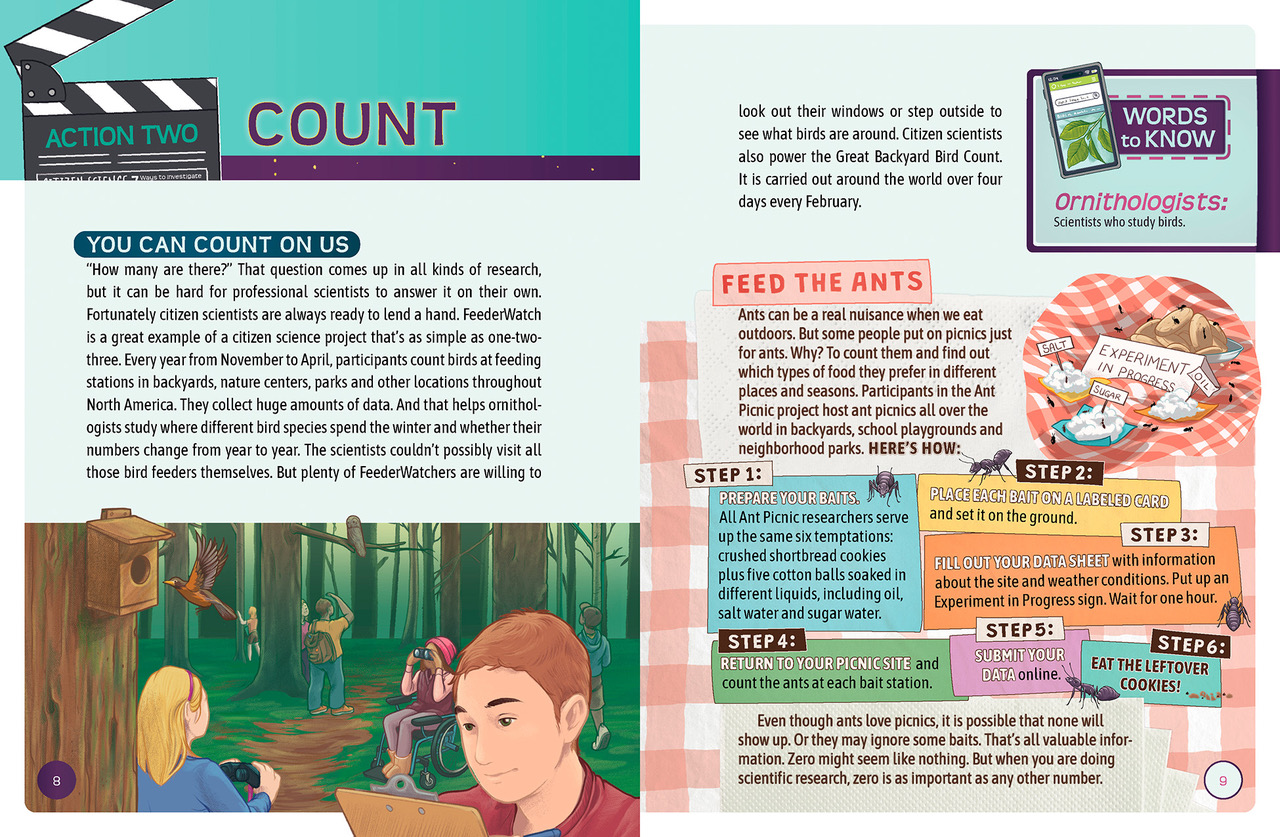
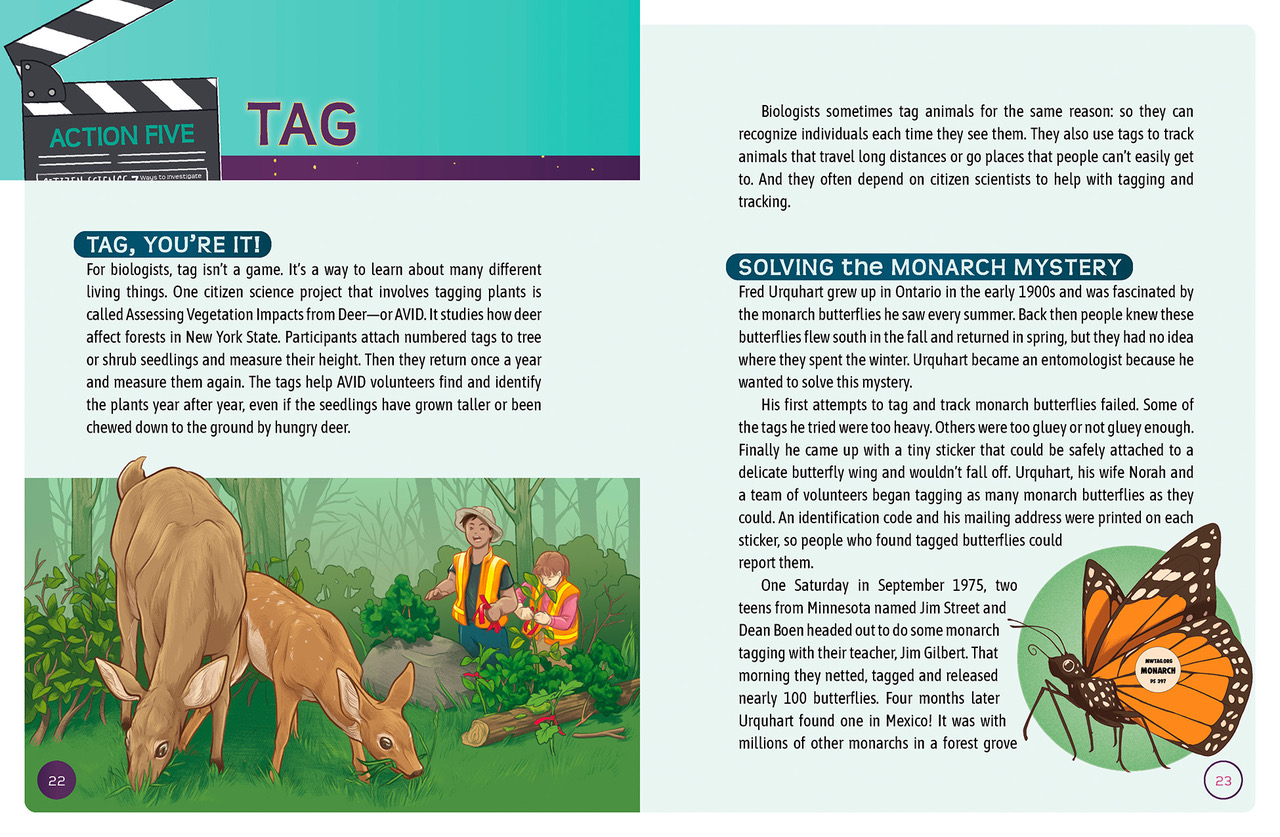
LOOK INSIDE THE BOOK
Featured Projects
Ready to get involved? These featured citizen science projects are highlighted throughout the book and offer fun, meaningful ways to contribute to real scientific research. Browse the projects, find one that matches your interests, and get started today!
Ant Picnic
Prepare 6 food types for ants to learn more about what they prefer to snack on, tell us a little about the environment where you set up your ant picnic, count the ants that came to each food type, take a picture of your experiment, and collect the ants to confirm your count and report the results.

Anytime

Anywhere

Insects & Pollinators
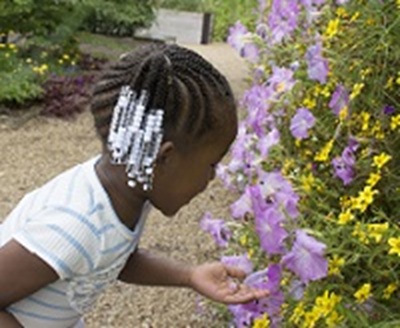
Budburst
Budburst is a global network of citizen scientists monitoring plants as the seasons change. We have three on-going research projects: Phenology and Climate, in which participants can observe plants going through seasonal changes; Pollinators and Climate, in which participants document pollinator visitation to flowering plants; and Milkweeds and Monarchs, in which participants search for monarch caterpillars and eggs to help preserve the monarch population.
Anytime
Anywhere
Ecology & Environment
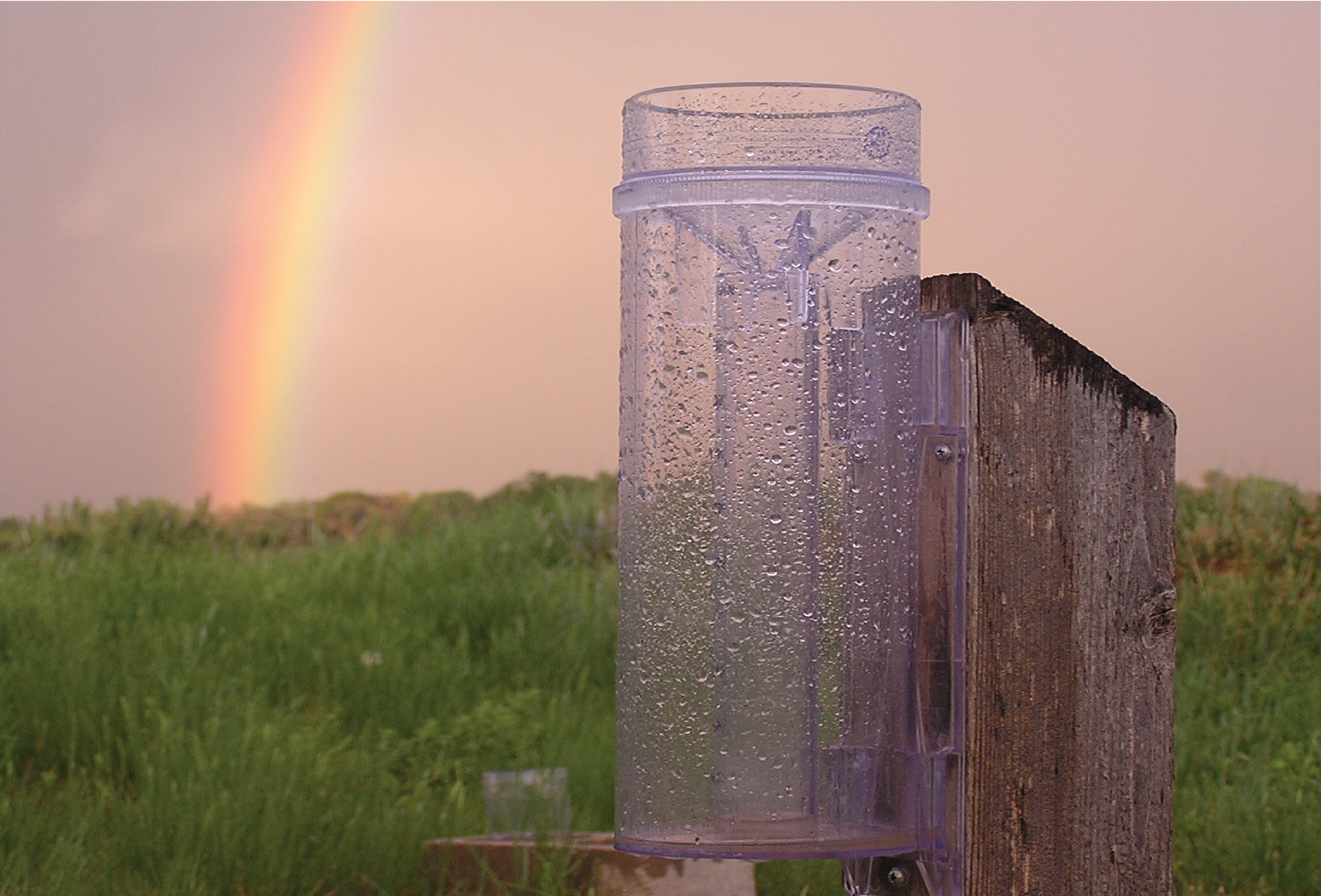
CoCoRaHS: Community Collaborative Rain, Hail and Snow Network
Each time a rain, hail, or snow storm occurs, volunteers take measurements of precipitation from their registered locations (reports of ‘zero’ precipitation are encouraged too!). The reports are submitted to the website and are immediately available for viewing. It’s educational, but moreover, fun! Just wait until you start comparing how much rain fell in your backyard vs. your neighbor!
Anytime
US, Canada and Bahamas
Climate

EarthEcho Water Challenge
Participants are encouraged to check their local water quality through traditional water quality testing or through visual observations! These findings will then be shared on the EarthEcho Water Challenge database which contributes to our global understanding of the state of our world’s water resources.
Anytime
Anywhere
Ocean, Water, Marine & Terrestrial
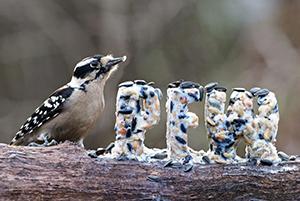
Project FeederWatch
Project FeederWatch is a winter-long survey of birds and mammals that visit feeders at backyards, nature centers, community areas, and other locales in the US and Canada. FeederWatchers periodically count the birds and mammals they see at their feeders from November through April and submit their counts to Project FeederWatch through their website or mobile app.
November – April
US and Canada
Birds

Globe at Night
Light pollution not only affects our view of the stars, but it also wastes energy and money (about $2 to $10 billion a year!), causes sleep disorders in people, and disrupts the sleeping, breeding and migration habits of animals. You can join other citizen scientists by measuring your night sky brightness and submitting your observations. Just go outside at least an hour after sunset (8-10pm local time) when the moon is not up. Let your eyes adjust to the dark for about 10 minutes, then start your first observation.
Anytime
Anywhere
Astronomy & Space
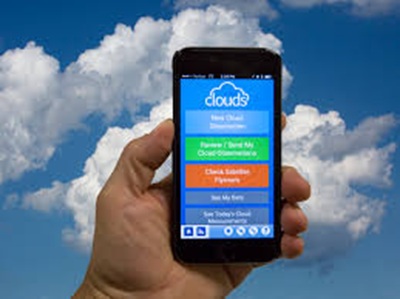
GLOBE Observer: Clouds
GLOBE Observer is an international citizen science initiative to understand our global environment. Your observations help scientists track changes in clouds in support of climate research. Scientists also use your data to verify NASA satellite data. Photograph clouds, record sky observations and compare them with NASA satellite images to help scientists understand the sky from above and below.
Anytime
Anywhere
Geology & Earth Science
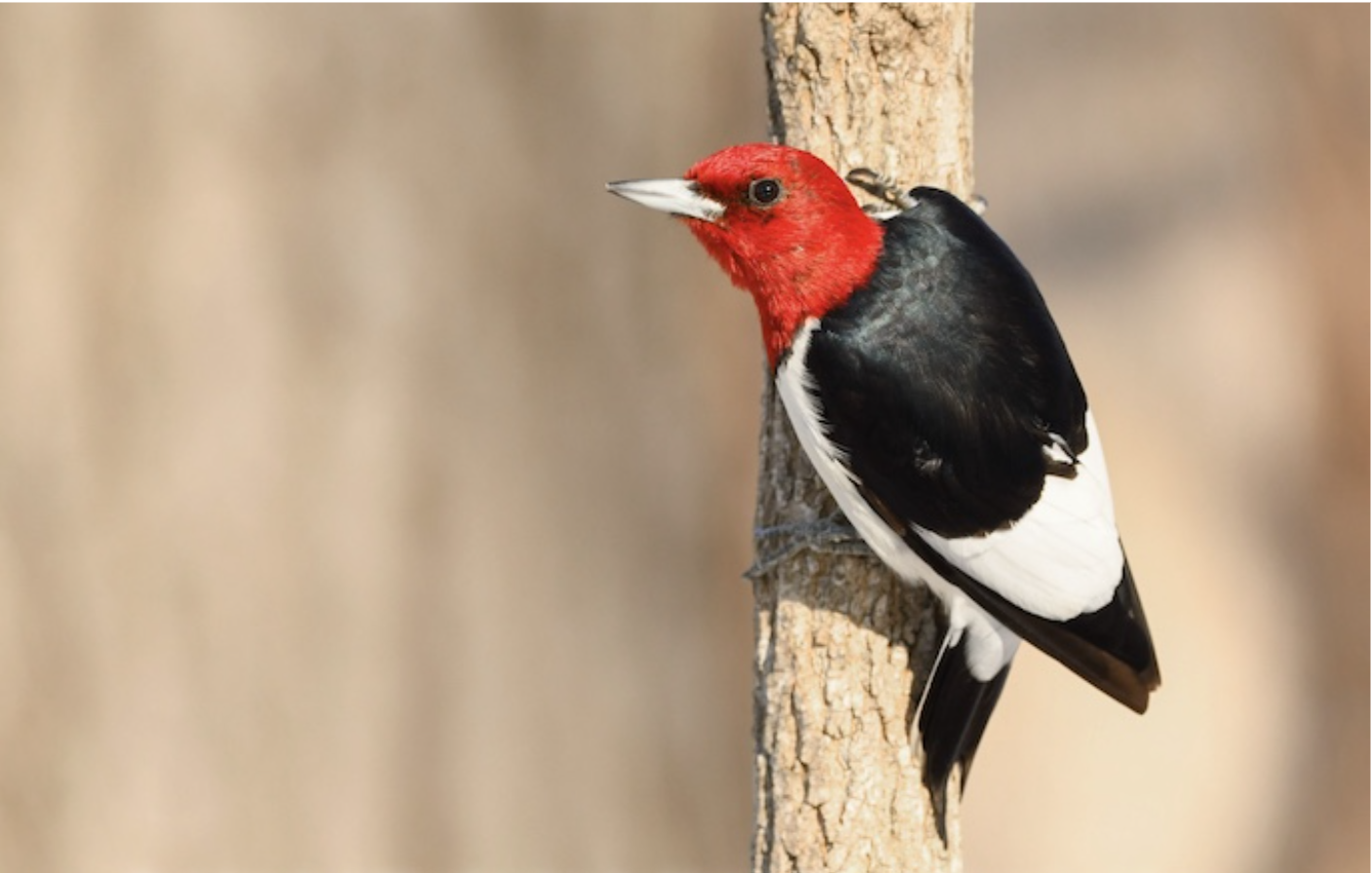
The Great Backyard Bird Count
The Great Backyard Bird Count is an annual four-day event during which bird watchers count birds to create a real-time snapshot of where birds are located around the world. The count is held each February over President’s day Weekend in the United States and Family Weekend in Canada.
February
US and Canada
Birds
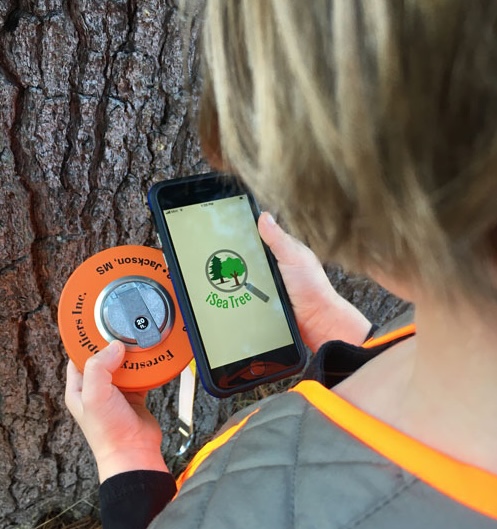
iSeaTree
‘iSeaTree’ is an application for identifying and tracking urban trees. It works with the USFS’s ‘iTree’ API to calculate the CO2, H2O, and pollution benefits of trees anywhere within the United States and Canada. It also has built-in tree surveying tools which help beginners in entering complete and accurate data about trees in their region. ‘iSeaTree’ turns app-users into citizen scientists and helps communities protect and preserve their urban canopies.
Anytime
US and Canada
Ecology & Environment
Journey North
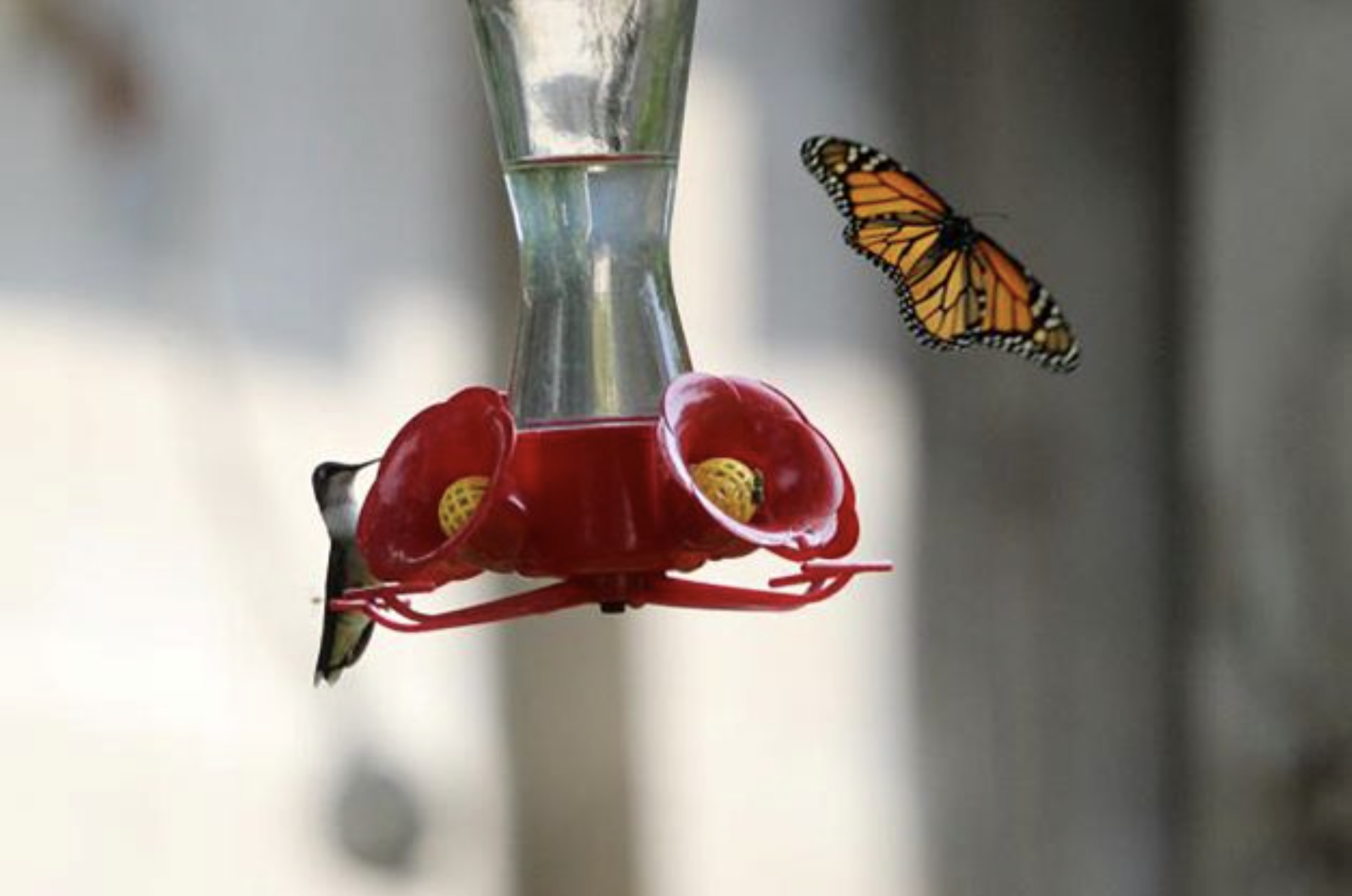
Journey North is a crowdsourced, participatory science program of the UW-Madison Arboretum. Thousands of volunteers across North America contribute observational data that help track wildlife migration and seasonal change. Journey North volunteers track the migration of monarch butterflies; six species of hummingbirds; American robins; common loons; red-winged blackbirds; Baltimore, Bullocks and orchard orioles; barn swallows; and bald eagles.
Anytime
North America
Ecology & Environment
The Lost Ladybug Project
Find and photograph ladybugs! Join us in finding out where all the ladybugs have gone, so we can try to prevent more native species from becoming so rare. Across North America, ladybug species distribution is changing. Over the past twenty years, several native ladybugs that were once very common have become extremely rare. During this same time, ladybugs from other places have greatly increased both their numbers and range. Some ladybugs are simply found in new places.
Anytime
US and Canada
Insects & Pollinators
Monarch Watch
Monarchs need our help! Get involved in monarch conservation by creating a Monarch Waystation or learn how you can participate in our large-scale mark (tagging) and recapture program.
August – October
United States
Insects & Pollinators
Nature’s Notebook
Pay attention to the plants and animals in your yard, and you can contribute to scientific discovery! Observing life cycles of plants and animals with Nature’s Notebook is easy and fun, and you will discover so much more about the plants and animals you see everyday.
Anytime
United States
Nature & Outdoors
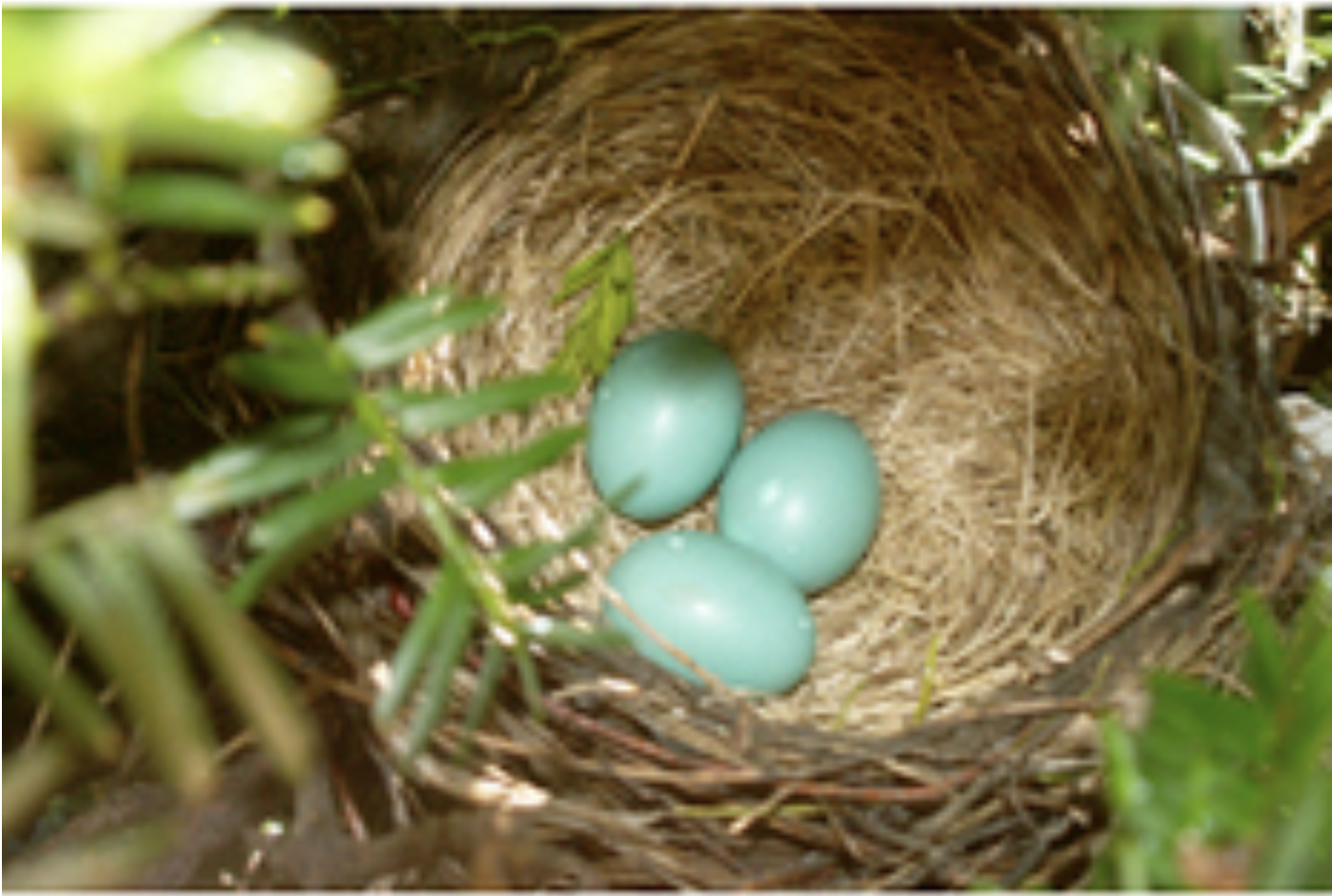
NestWatch
Whether in a shrub, a tree, or a nest box, bird nests are everywhere. Find one, and you can help scientists study the biology and monitor populations of breeding birds by joining the Cornell Lab of Ornithology’s NestWatch program. Every year, volunteers from around the world visit nests once or twice each week and monitor their progression from incubating eggs to fuzzy chicks to fully fledged young. They then submit this data to NestWatch where it is compiled and analyzed.
Anytime
Anywhere
Birds
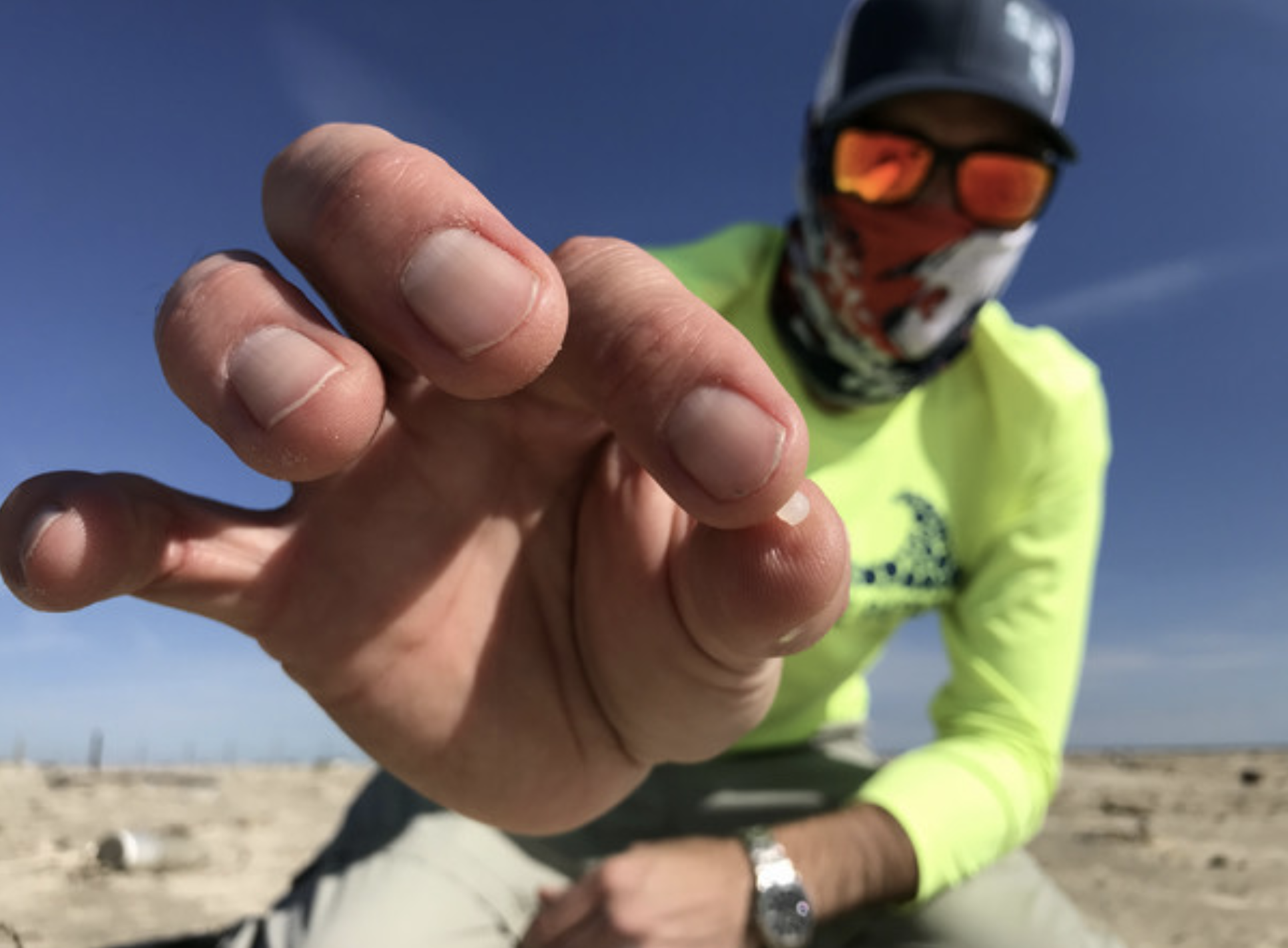
Nurdle Patrol
Nurdle Patrol is a citizen science project led by the Harte Research Institute at Texas A&M University Corpus Christi. We are looking to gather information about where nurdles are located across North America, remove the nurdles from the environment, and create awareness about the nurdle issue. Nurdles are small plastic pellets that are the basis of everything plastic. They are small and look like food to animals, and they absorb toxic chemicals such as PCBs and DDTs in the environment, so could have negative impacts.
Anytime
In oceans, streams, rivers, lakes
Ecology & Environment
Phylo
Phylo is a game in which participants align sequences of DNA by shifting and moving puzzle pieces. Your score depends on how you arrange these pieces. You will be competing against a computer and other players in the community. Though it may appear to be just a game, Phylo is actually a framework for harnessing the computing power of mankind to solve a common problem – Multiple Sequence Alignments.
Anytime
Anywhere
Biology
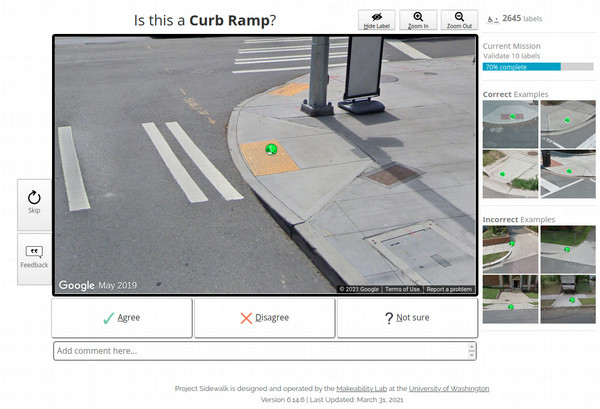
Project Sidewalk
Despite comprehensive civil rights legislation for Americans with disabilities, many city streets, sidewalks, and businesses remain inaccessible. Project Sidewalk, and our network of volunteers, plan to change that. Project Sidewalk is a web-based tool that allows anyone with a web browser and internet connection to contribute sidewalk accessibility information virtually using Google Street View. The data we collect is open and publicly available through our APIs. The data can be used by city governments to prioritize certain places for sidewalk upgrades/repairs. It can and has been used by members of the community to lobby for more funding for sidewalk repairs by the city. Or the data could be used in a number of other ways, including through new pedestrian routing applications!
Anytime
Anywhere
Biology
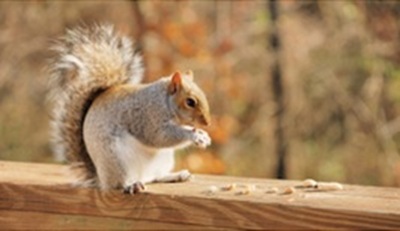
Project Squirrel
Project Squirrel is calling all citizen scientists of all ages to count the number of squirrels in their neighborhoods and report their findings. The goal is to understand tree squirrel ecology. Some neighborhoods may have grey (and “black” squirrels, which are almost always grey squirrels!), fox, and red squirrels while a nearby town only has one species. In many places, it seems one species or another is becoming more common. Learn how to identify these three tree squirrels then report your observations about their presence or absence and some of the ecological conditions of your neighborhood.
Anytime
Anywhere
Animals
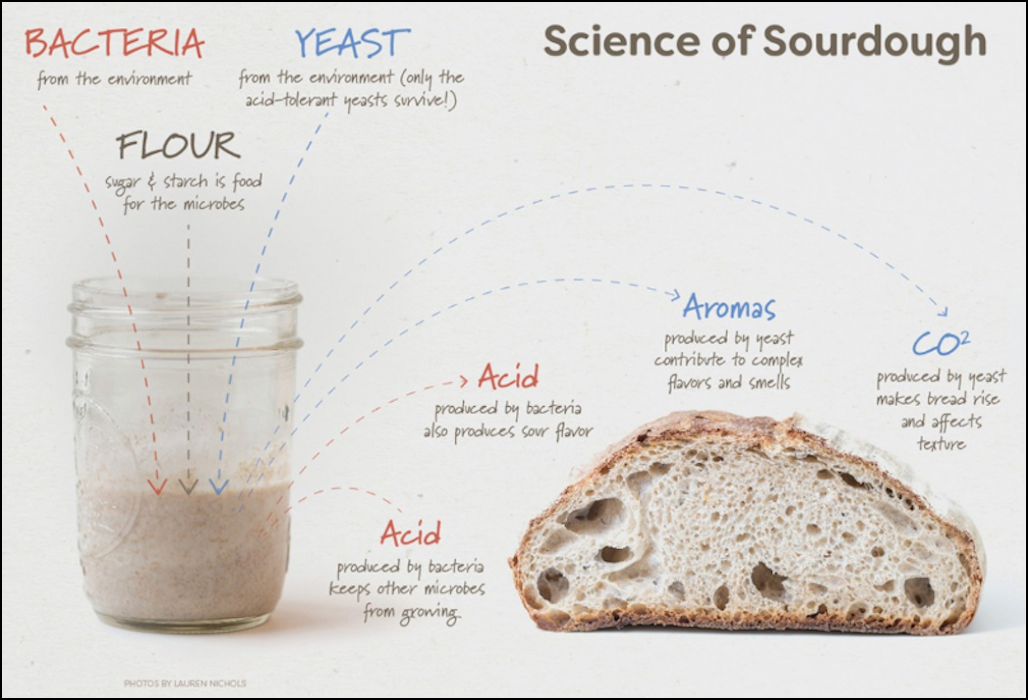
Sourdough for Science
Humans have baked bread for over 14,000 years. All over the world, different cultures bake their own unique breads – and have for centuries. Yet we know almost nothing about the microbes that make bread rise and taste delicious. In this project, you can create your own sourdough starter from scratch, just by mixing flour and water. Over the course of 14 days, you can take a series of simple measurements to track the growth of your own “microbial garden”. Your measurements will help solve the mystery of bread, by comparing the growth of microbes in different types of flour – and how those microbes contribute to the taste and texture of bread.
Anytime
Anywhere
Food
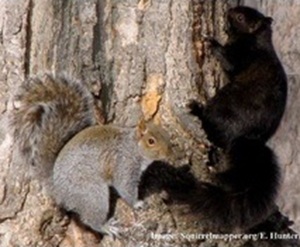
SquirrelMapper
Life has evolved over millions of years. Yet evolution can produce dramatic change quickly! The coat color of gray squirrels, which occur over much of eastern North America and are introduced around the globe, is a good example. Today most are indeed gray but two centuries ago most were apparently black. How could evolution change this species so profoundly and so quickly? Help us explore this question at SquirrelMapper where you can contribute observations of squirrels from your own neighborhood, classify squirrels based on their color, and play a game that measure how well adapted each color squirrel is to its environment. Together we can crack this nut!
Anytime
Anywhere
Animals
Stall Catchers
Help scientists analyze movies from the brain affected with Alzheimer’s – are the blood vessels flowing or stalled? Our collaborators recently discovered that stalls (clogged blood vessels in the brain) are responsible for this blood flow reduction in mice with Alzheimer’s. By reducing the number of stalls, the lab was able to restore memory and reduce other cognitive symptoms in mice.
Anytime
Anywhere
Health & Medicine
QuestaGame
Submit sightings of your local flora and fauna while having fun playing a game. Join and create quests, earn gold, join clans/teams, compete against other players, identify sightings, gain levels, build your collection, move up the leaderboard, all while helping to document and protect your local biodiversity.
Anytime
Anywhere
Ecology & Environment