For Educators
SciStarter Education
Citizen science is public involvement in authentic scientific research.
The projects and resources on this page help support parents, guardians, and formal and informal educators seeking classroom and at-home STEM resources.
Citizen science in Education
Through citizen science, students help scientists answer questions they cannot answer on their own. Meanwhile, students gain a deeper understanding about the world. When we engage in citizen science, we make and share observations, analyze data, begin to formulate questions, and experiment, all while advancing important areas of scientific research!
Note: Participants need to be 13 or older to upload project data on their own.
What is Citizen Science?
Why bring citizen science to the classroom?
Citizen science is public involvement in authentic scientific research.
The National Academies of Sciences, Engineering, and Medicine Committee Designing Citizen Science to Support Science Learning
recommend citizen science as an effective way to support science learning and found that citizen science in education may also be an effective strategy to engage underrepresented populations in the process of science.
One of the most important aspects of the SciStarter mission is to make it simple, accessible, and fun for people of all ages to jump in and get involved in real world science. An initiative by SciStarter is to serve as a resource for learners and educators in both formal and informal learning environments.
Pro Tip: Bring Citizen Science to Your Classroom
Start with the free Foundations of Citizen Science tutorial. Guide your class through it together to explore what citizen science is, why it matters, and how millions of people help scientists answer questions through small acts of science.
Then share your customized sign-up URL. Students who create an account through your URL automatically advance to completion of the Foundations badge, and their accounts are associated with your school.
Next, create a SciStarter List to select and share projects and track participation.
At the end of the school year, request a report showing accounts associated with your URL and the projects participants saved or joined.
Email info@scistarter.org to request your customized sign-up URL.
Visit the Resources tab and the FAQ section below for more details.
How to Use SciStarter as an Educator
Visit SciStarter.org/login to create an account and sign up for the newsletter. The newsletter will keep you updated on new projects and events that may be of interest to you and your students.
Each project on SciStarter has a project page. See, for example, the project page for Stall Catchers here. Stall Catchers, along with many more projects, is a SciStarter Affiliate.
Affiliate projects are labeled with this symbol:
SciStarter Affiliate projects help you track and monitor the progress of your learners. Every time a student participates in an affiliate project, they will get credit for a “contribution” on their SciStarter dashboard. No project data is shared, just the frequency and amount of participation. Visit SciStarter.org/Affiliates to learn more about how affiliation works.
Each SciStarter project page has an option to be saved to a list. You can create new lists from project pages as well. These are shareable lists of projects in which you can add more instructions for students and view a stats page that displays participation frequency of your learners. Learn more about lists on our blog.
Visit your Lists in your dashboard here. This is where you will find the share link and the option to add notes to each project within a List.
Once a learner has accessed your List, their participation will display in the “Stats” view on the List page. This view is only available to you as the List owner.
After you and your students have participated in citizen science, you can reflect on what you accomplished, together. These are questions that SciStarter and other partners have posed to students in the past.
- After participating in this project, what other citizen science project would you be interested in joining and why?
- Describe how the data you collected during this project will help contribute to the scientist’s research question or goal.
- How do you think the data you collected could benefit someone you know personally in your family and/or community?
- Explain two things that you learned from participating in this research project.
- What would you do differently next time if you participated in this same project again or joined another research project?
Next Generation Science Standards (NGSS)
When we engage in hands-on, authentic real-world science, we make observations, begin to formulate questions, experiment, and ultimately construct deeper understanding about the natural world. Citizen science is an excellent way to address the Science Practices of the Next Generation Science Standards (NGSS):
- Asking questions (for science) and defining problems (for engineering)
- Developing and using models
- Planning and carrying out investigations
- Analyzing and interpreting data
- Using mathematics and computational thinking
- Constructing explanations (for science) and designing solutions (for engineering)
- Engaging in argument from evidence
- Obtaining, evaluating, and communicating information
Sometimes, citizen science opens our eyes to how little we actually know about the world. The merits of engaging in citizen science abound, benefiting both participants and researchers.
Visit the other tabs on this page to learn more: Training Modules, Projects by Grade Level, and Resources. If you have questions, reach out to info@scistarter.org for support.

While working on citizen science projects, students are not ‘playing’ science, they are doing it.
– Nathaniel Bourne, AIG Specialist, Students Discover
UC Davis Center for Community and Citizen Science
As part of this exciting initiative, we’ve asked researchers at the UC Davis Center for Community and Citizen Science, to share suggestions and resources from their research on youth-focused community and citizenscience (YCCS). With all the great potential for learning through citizen science, the researchers at the Center for CCS conducted case studies to find out when, and under what circumstances, this happens for youth.
The in-depth case studies of diverse YCCS projects were designed to examine environmental science agency – which is a person’s ability to use experiences in citizen science and environmental science to make positive change in one’s life and community. They found this deep and broad learning was associated with particular practices on the part of both youth and educators.
The SciStarter Project Finder is the perfect starting place for educators interested in integrating citizen science into curriculum – there are hundreds of projects suitable for all ages that also include teaching materials. To go further, the UC Davis Center for Community and Citizen Science has developed a guide – with examples – for thinking through project selection when environmental science learning is an important goal.
Free Self-Guided Training Modules
Foundations of Citizen Science Training Tutorial
Prerequisite for most follow-on training modules
Complete this self-guided tutorial to learn more about what citizen science is and how to participate. You’ll even earn a digital badge for your LinkedIn profile!
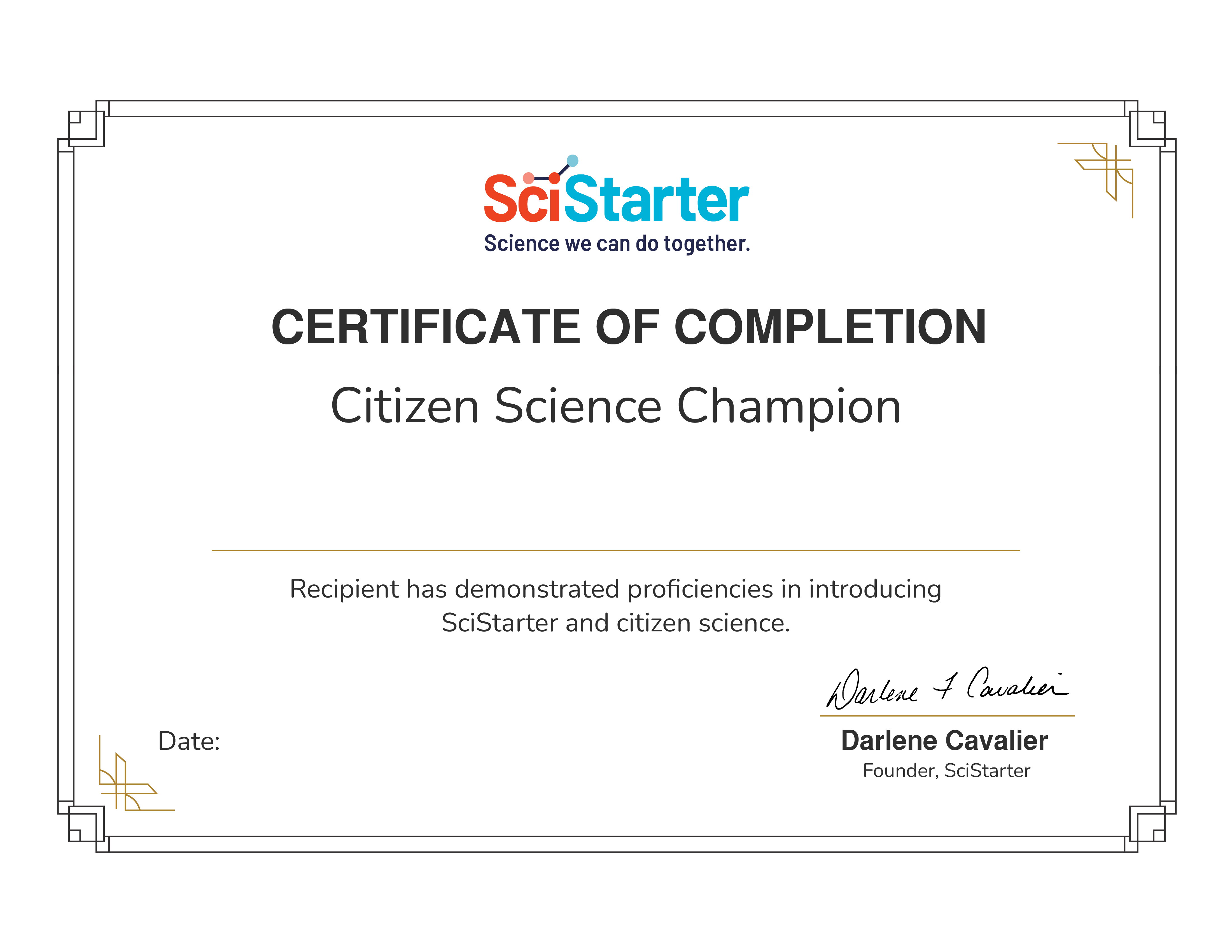
Citizen Science Champion
Learn to introduce citizen science to your community, gain the skills and resources to support local citizen science initiatives, and earn a downloadable Citizen Science Champion certificate upon completion. Optional: apply to become a SciStarter Ambassador and earn a digital badge.
Citizen Science for K-12 Educators
Learn best practices and resources to bring citizen science into your K-12 classroom. Earn this badge by demonstrating foundational citizen science skills and turning curiosity into classroom impact.
Teaching in Higher Education with Citizen Science
The “Teaching in Higher Education with Citizen Science” tutorial and badge are designed for faculty within higher education institutions to support demonstrated proficiency in incorporating and implementing citizen science programming into their professional practice.
Projects by Grade Level
The below list of projects have been selected for the education hub for various reasons. From educator guides to unique topics, all provide an opportunity for students to dig deeper into the content and make a real difference, regardless of grade level. All of the below projects can be done remotely and most are SciStarter Affiliates.
Don’t see what you need? Reach out to Info@SciStarter.org to request a new resource.
Note: Participants need to be 13 or older to upload project data on their own.
Affiliate Projects
Most of the projects below are SciStarter Affiliates. Affiliate projects allow you to track the progress of your learners. After choosing a project, visit the project page to find instructions on how to ensure your participation is tracked. This often requires using the same email as the one used to create a SciStarter account. Note the videos associated with certain projects for specific instructions.
Use this link to find Affiliate projects with classroom materials.
Create SciStarter accounts to make full use of Affiliate project tracking.
Projects for Grades PreK-2 (ages 3–8) and Up
SEEK
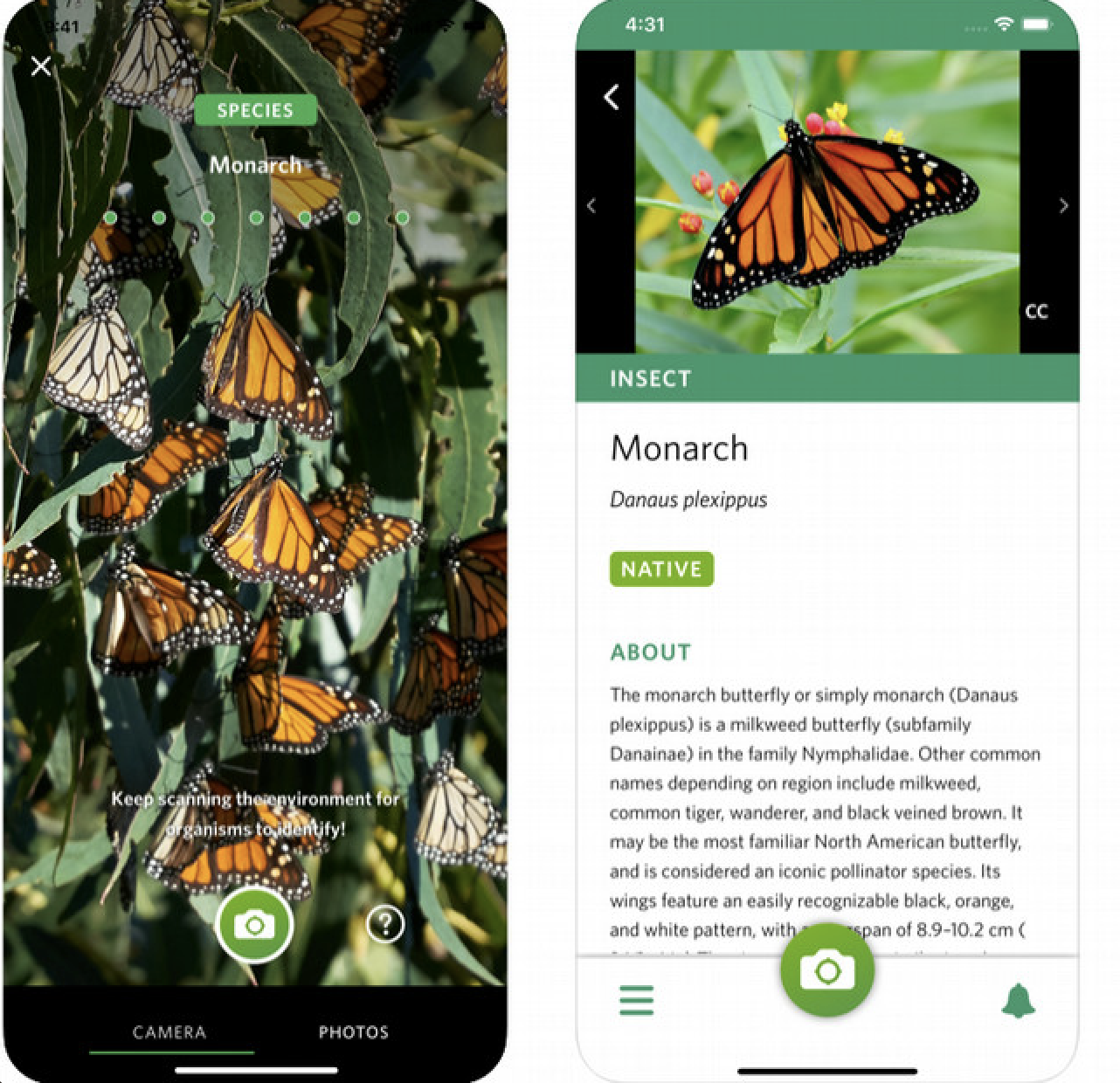
Get outside, explore and learn about the nature all around you. The Seek app allows you to scan plants and animals in nature to identify species.

Anytime

Global, Outdoor
Printable Data Sheets
Mobile app
No Accounts Required

Biodiversity, Nature, Ecology, Practice Project
The Great Sunflower Project

Identify where pollinators are declining to help improve their habitats
Blooming Season
USA, Outdoor
Printable data sheets
SciStarter Account(s)
Pollinators, Gardens, Data Literacy
Website
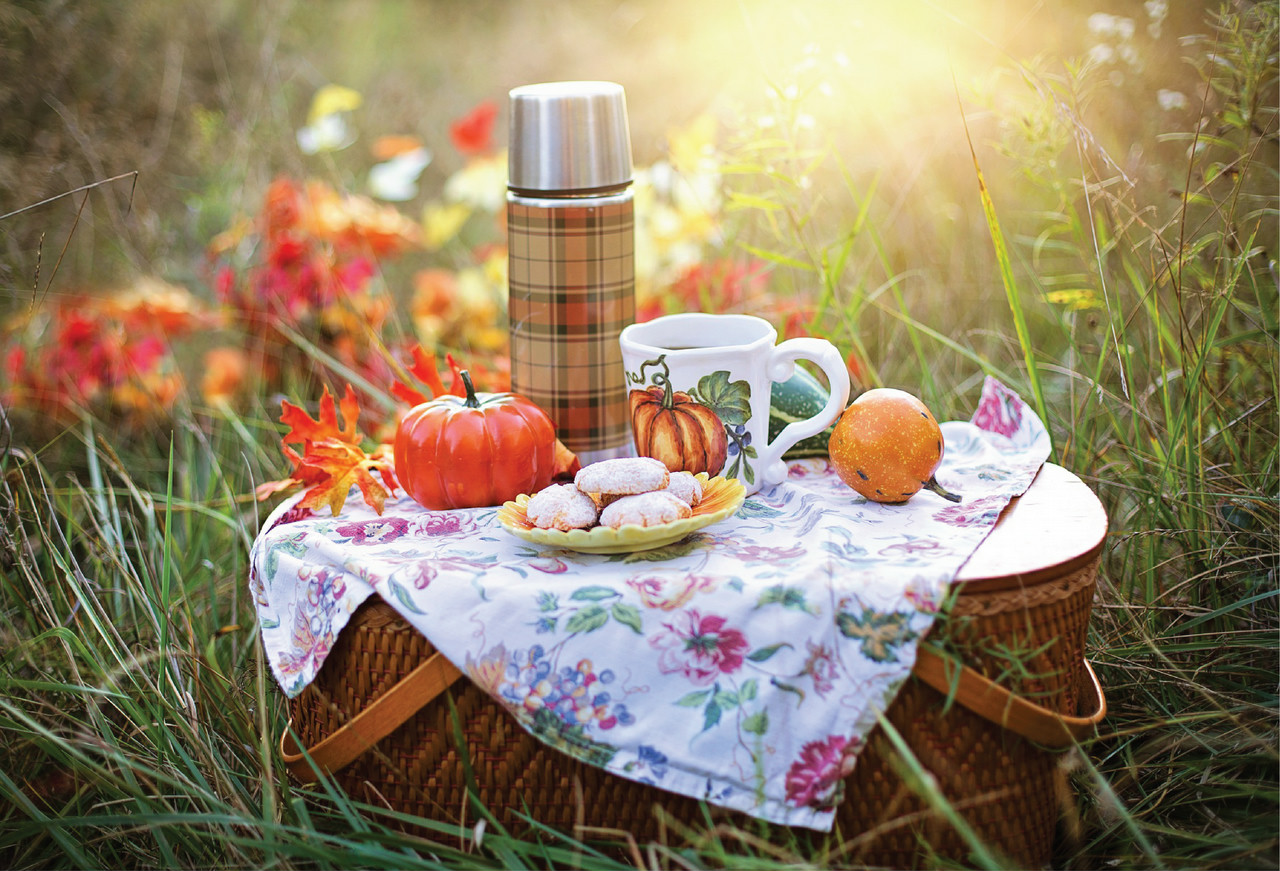
Ant Picnic
Study the dietary preferences of ants.
Anytime
Global, Outdoor
Printable data sheets
SciStarter Account(s)
Insects, Scientific method, Data Literacy
Website, materials required
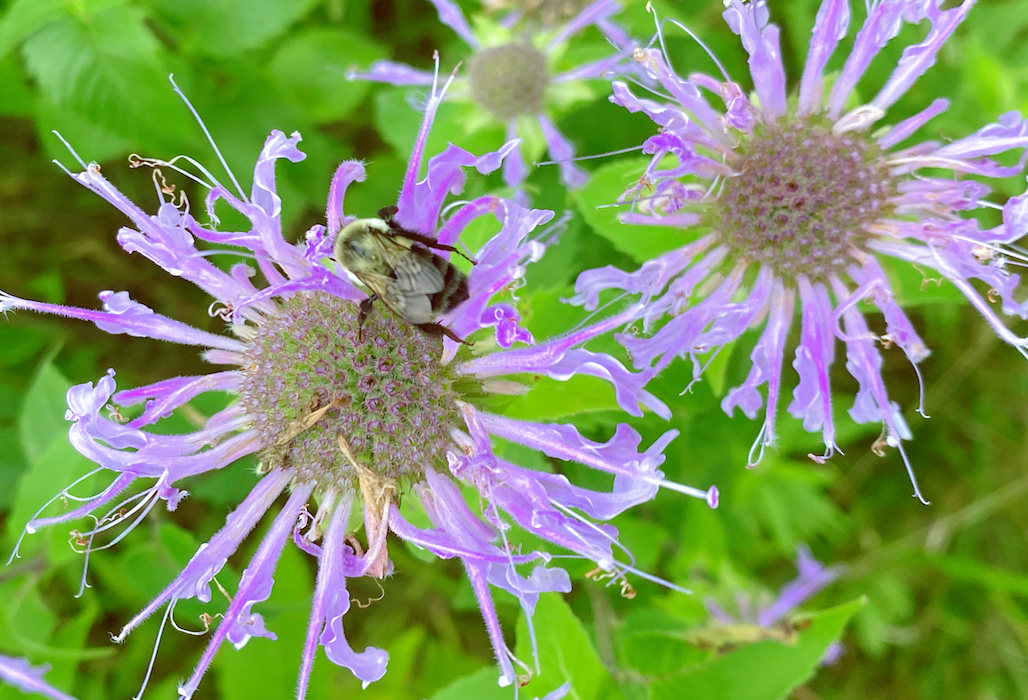
Budburst
Help scientists by observing seasonal changes in plants.
Anytime
Global, Outdoor
Printable data sheets
Special classroom account(s) available
Plants, Nature, Data Literacy
Mobile app/Website
Projects for Grades 3-5 (ages 8–11) and Up
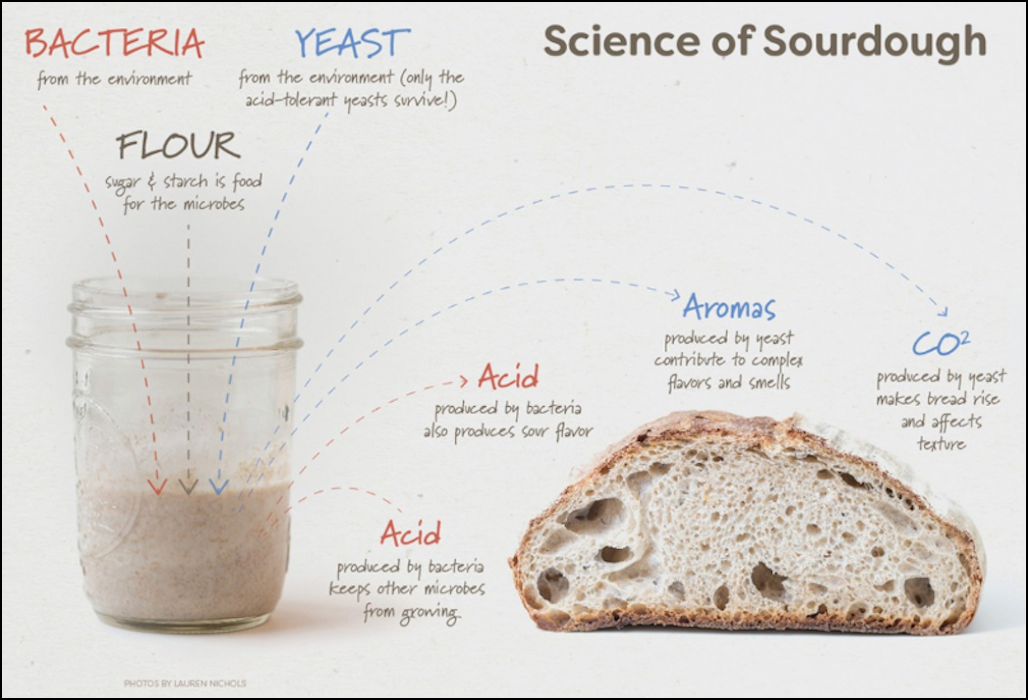
Sourdough For Science
Learn how microbes affect the rise and flavor of bread.
Anytime, 14 day minimum
Global, Indoor
Printable data sheets
SciStarter Account(s)
Data literacy, food, microbes
Website, materials required
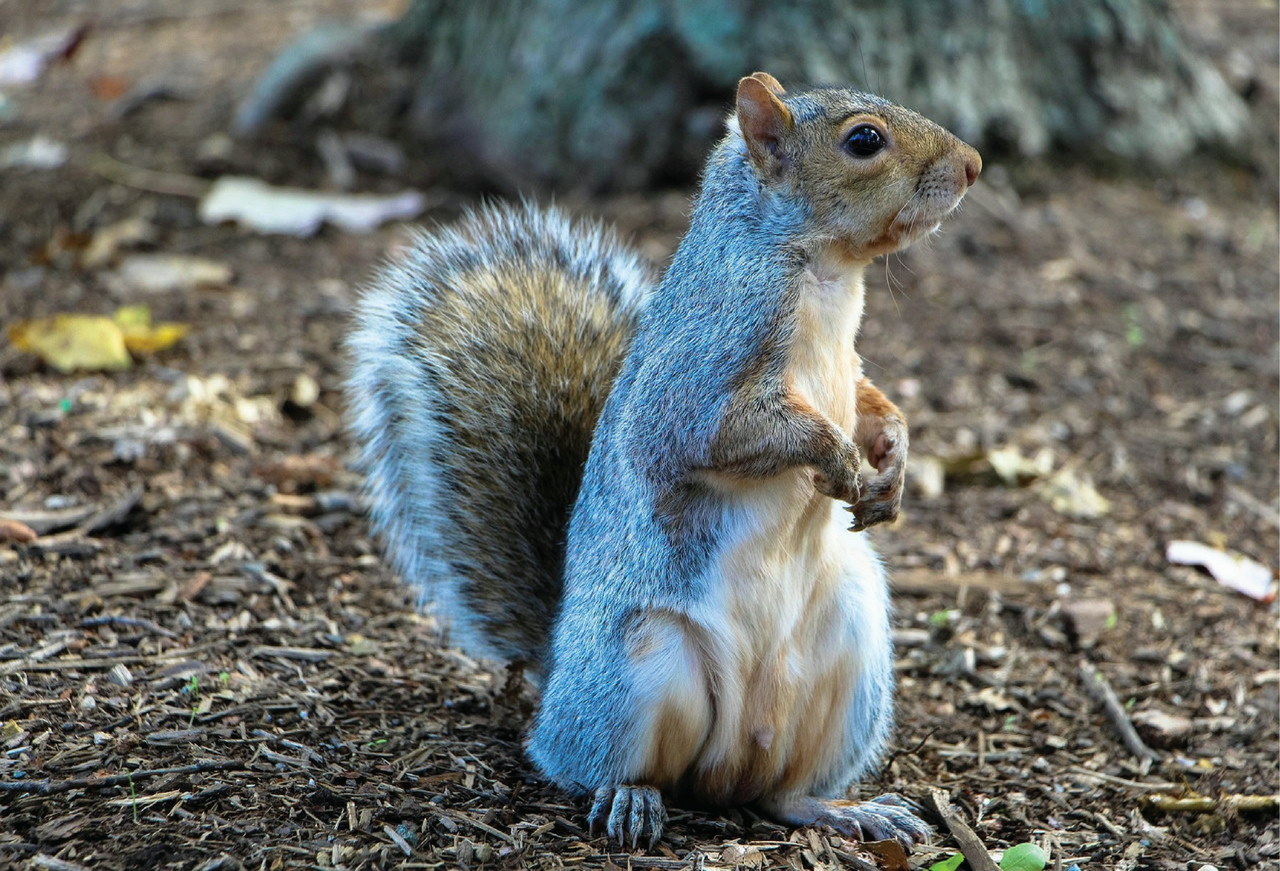
Project Squirrel
Help scientists better understand tree squirrel ecology.
Anytime
Global, Outdoor
Printable data sheets
SciStarter Account(s)
Data collection, Biodiversity, Animal behavior
Website
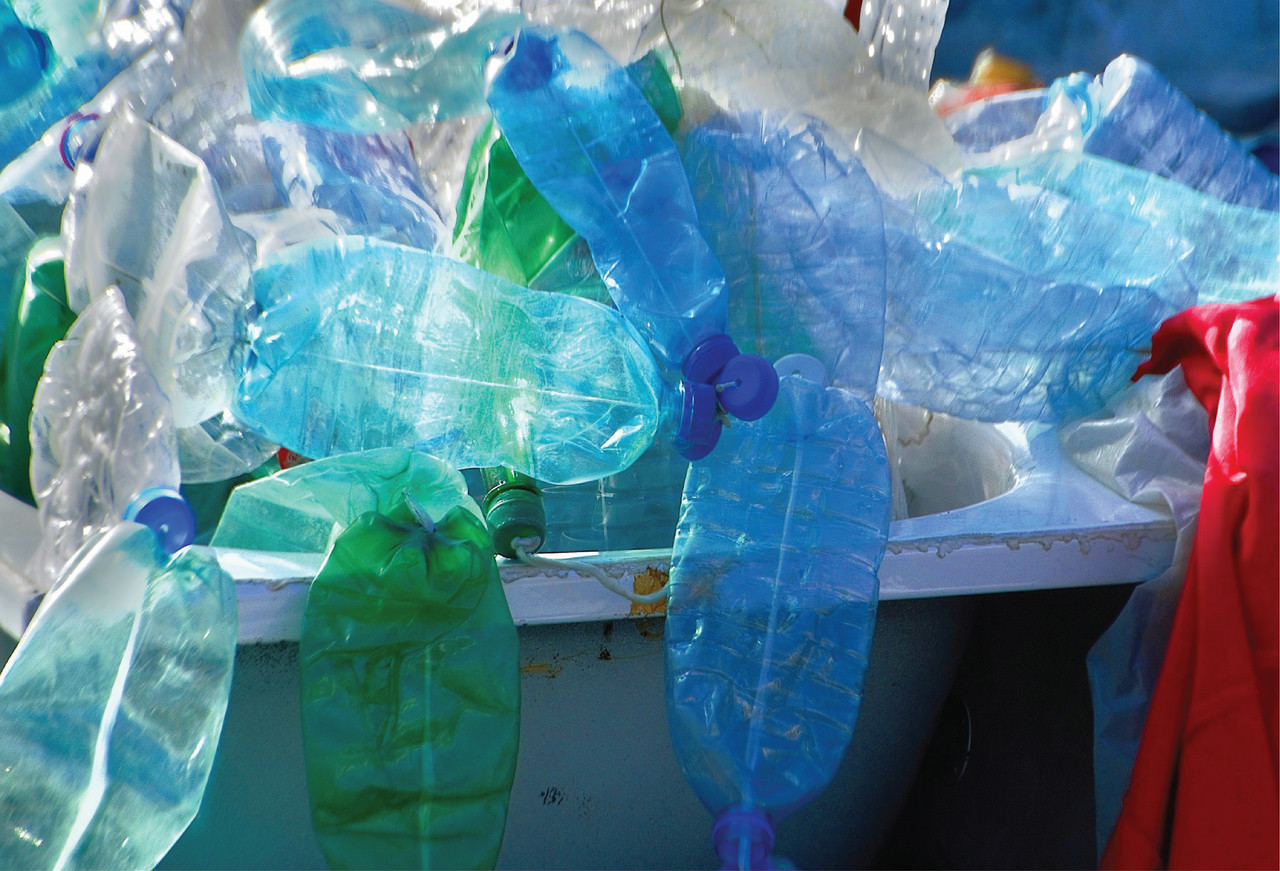
Marine Debris Tracker
Contribute research data to help tackle the plastic pollution crisis.
Anytime
Global, Outdoor
Printable data sheet
External Account(s) Required
Data collection
Mobile app
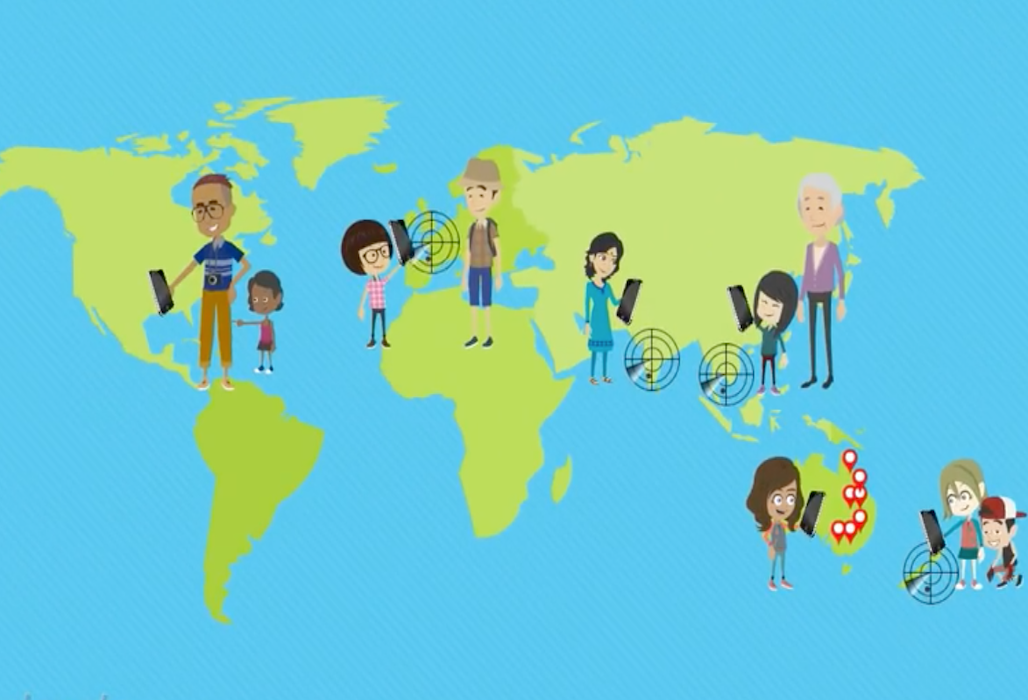
QuestaGame
Play the world’s first mobile game that takes you outdoors to discover and ultimately help protect life on our planet.
Anytime
Global, Outdoors
Mobile app
Special classroom account(s) available
Data collection, Biodiversity, Animal behavior
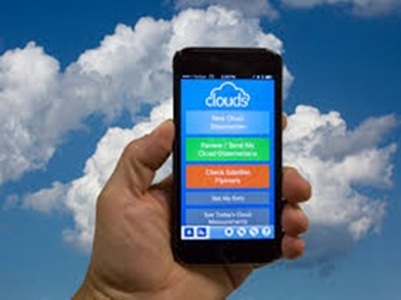
GLOBE Observer: Clouds
Track changes in clouds to contribute to climate research and help verify NASA satellite data.
Anytime
Global, Outdoor
Mobile app
Special classroom account(s) available
Data collection, Meteorology
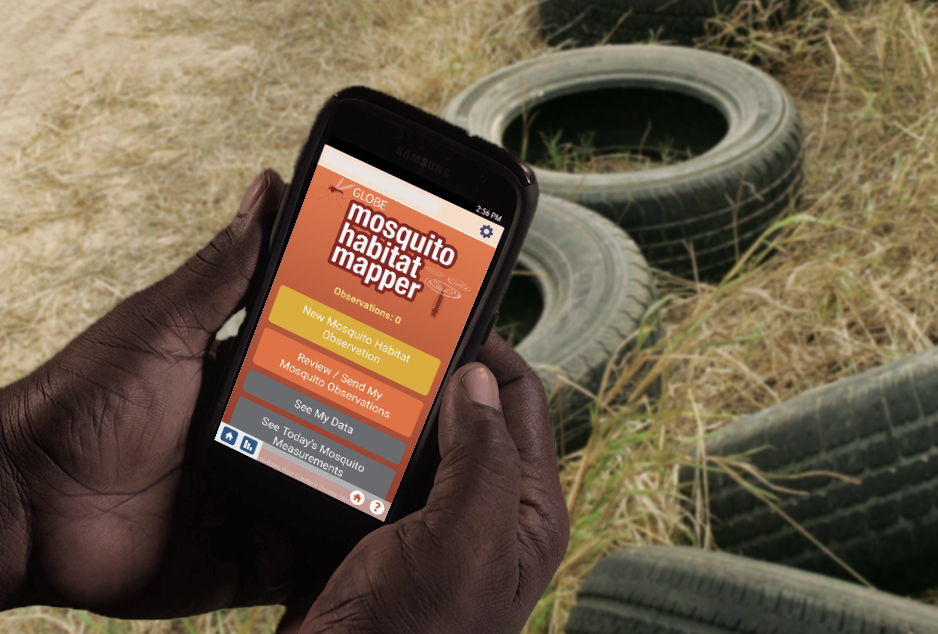
GLOBE Observer: Mosquito Habitat Mapper
Document mosquito habitats and identify mosquito types to protect your community from mosquito-borne disease.
Mosquito Season
Global, Outdoor
Mobile app, materials required
Special classroom account(s) available
Data collection, epidemiology, entomology
Projects for Grades 6-8 (ages 11–14) and Up
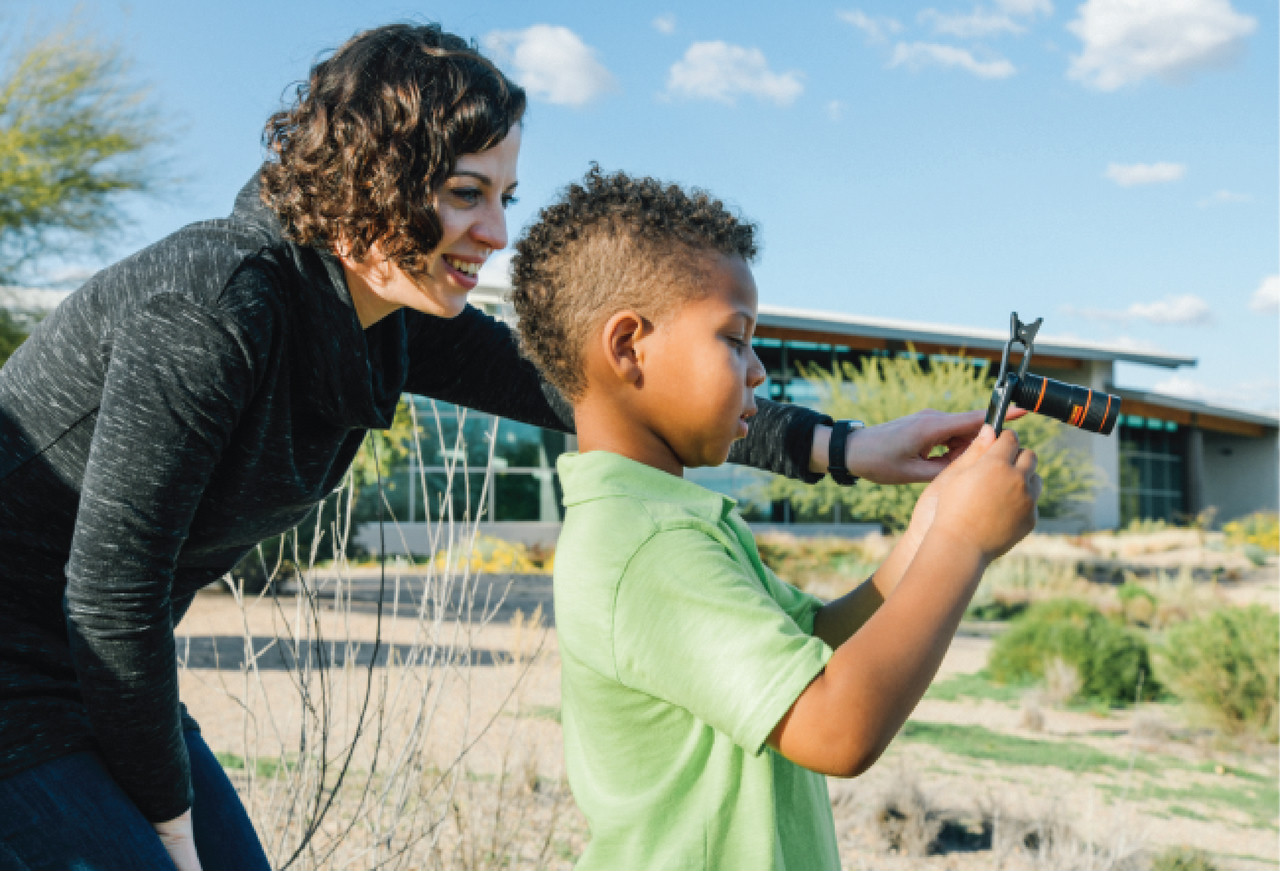
iNaturalist
Help collect biodiversity data on the species you observe anywhere on the planet.
Anytime
Global, Outdoor
Mobile app or website
External account(s) required
Biodiversity, nature, ecology


Globe at Night
Help gather light pollution data by measuring light in the night based on constellation star visibility.
Any Moonless Night
Global, Outdoor
No Accounts Required
Astronomy, policy, pollution
Website
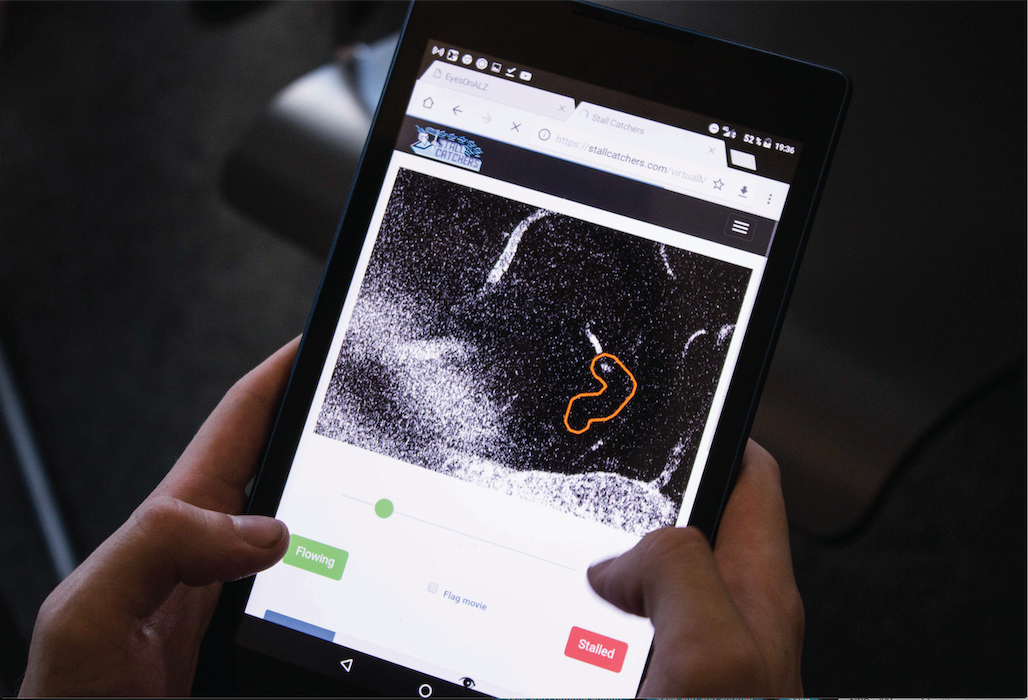
Stall Catchers
Accelerate Alzheimer’s research by playing an online game.
Anytime
Global, Indoor
External Account(s) Required
Alzheimer’s disease, health, game
Website
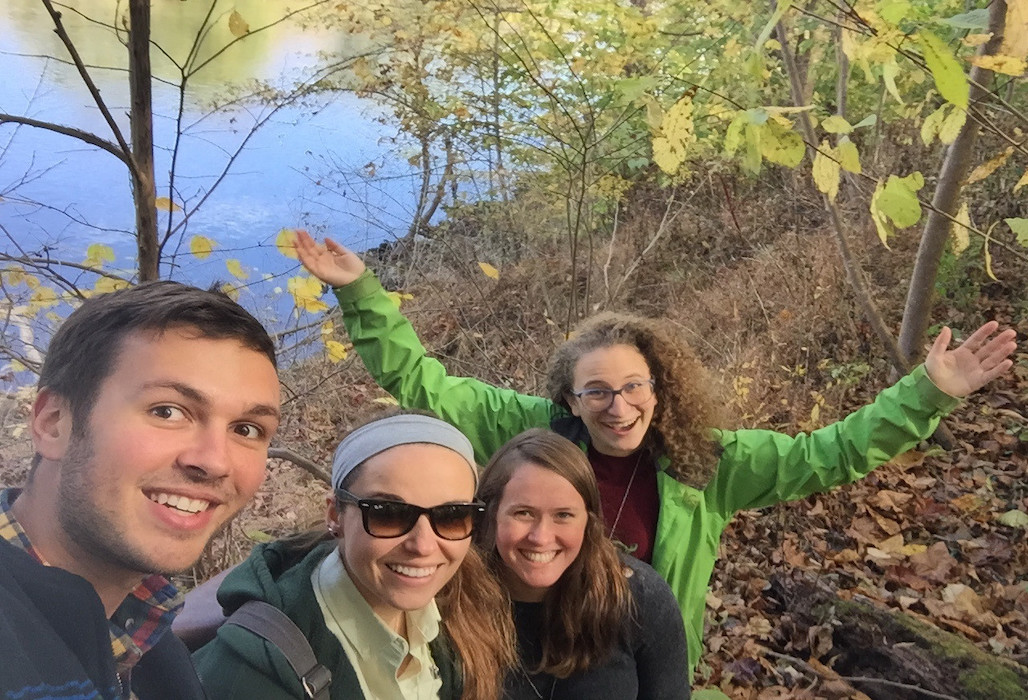
Stream Selfie
Map streams across the country to help assess their health.
Anytime
USA, Outdoor
SciStarter Account(s)
Water monitoring, climate, nature
Website
Projects for Grades 9-12 (ages 14–18) and Up
E-I-E-I-O No
Map the hidden footprint of industrial agriculture across NC.
Anytime
Global, Indoor
No Account Required
Agriculture, animals, ecology & environment
Website
Sound Around Town
Understand how natural and anthropogenic sounds affect human wellbeing.
Anytime
United States
No Account Required
Sound, transportation, health & medicine
Website
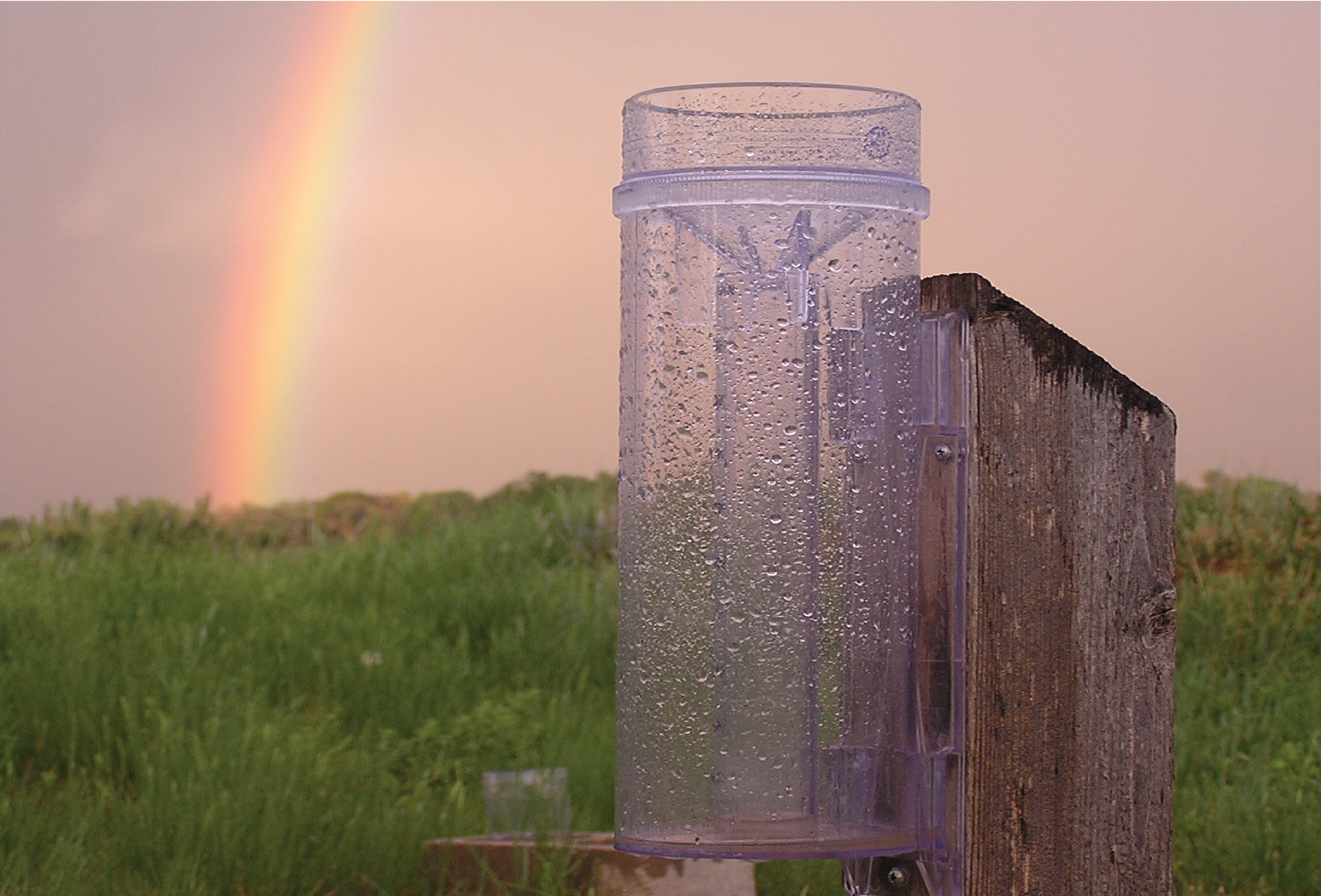
CoCoRaHS
Collect daily/weekly measurements of precipitation to inform weather predictions and modals. Note: This project requires investment in a specific low-cost rain gauge.
Daily
USA, Outdoor
External Account(s) Required
precipitation, weather, climate, rain gauge
Mobile app or website, materials required
Nature’s Notebook
Help the US Phenology Network take a pulse of the planet through plant and animal observations through the seasons.
Anytime
Global, Outdoor
External Account(s) Required
phenology, plants, nature
Mobile app or website
GLOBE Observer: Trees
Compliment and enhance NASA satellite data on tree cover and biomass by measuring and observing trees near you.
Anytime
Global, Outdoor
Special classroom account(s) available
app, satellites, carbon capture
Mobile app, materials required
Projects for College Students (ages 18–22)
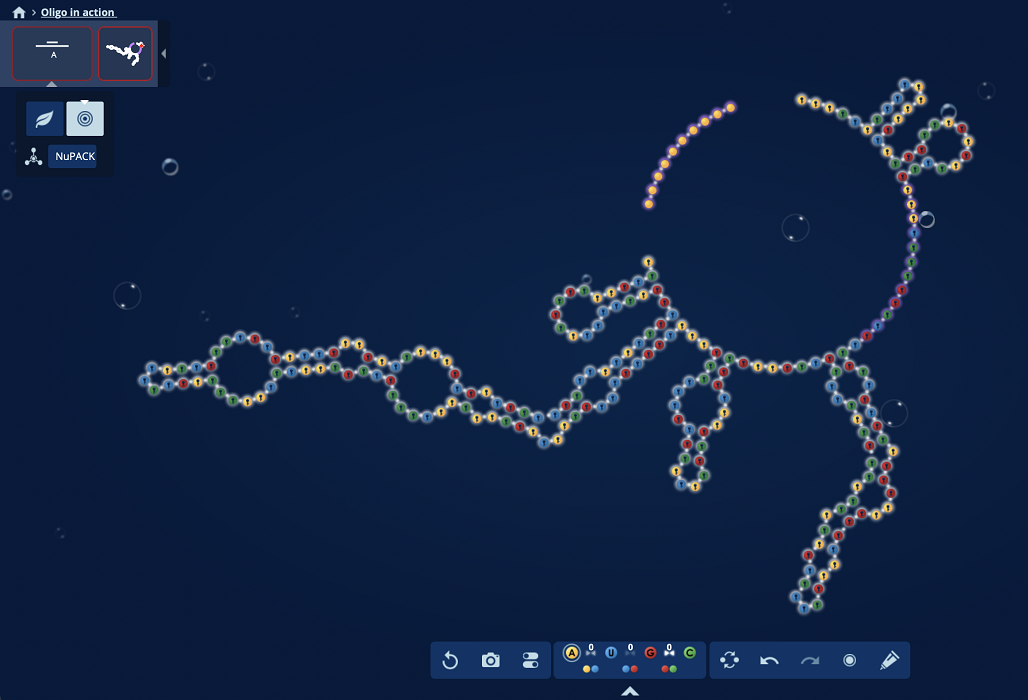
Eterna
Design RNA molecules to help scientists develop RNA-based medicines.
Anytime
Global, Indoor
External Account(s) Required
Health, immunology, biology
Website

Outbreaks Near Me
Report your household’s health weekly to help monitor for community outbreaks of illness, such as flu or COVID-19.
Weekly
Global, Indoor
External Account(s) Required
Health, epidemiology, biology
Website
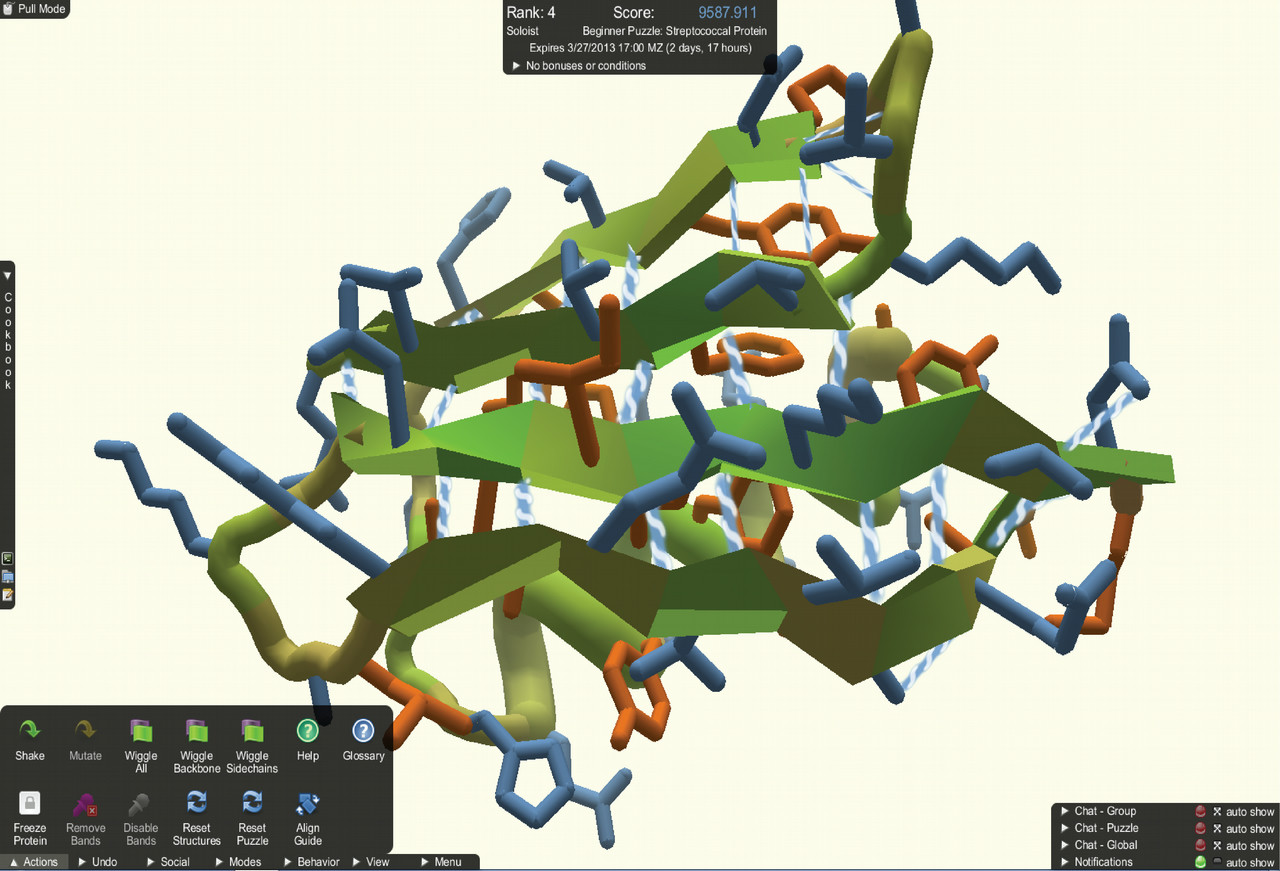
FoldIt
Help researchers discover new antiviral drugs that might stop viral diseases.
Anytime
Global, Indoor
External Account(s) Required
Health, technology, biology
Website
Resources for Educators
SciStarter Lists – Track Your Students’ Progress
The Lists feature on SciStarter.org to help you find, save, organize, share and track your community’s progress in multiple projects of your choice.
With Lists, you can:
- Track the progress of your learners’ participation in the affiliate projects using the on-demand analytics for your List!
- Create a List from any project page on SciStarter
- Add as many projects as you want to your List
- Write instructions on your List or on any project on your List
- Share your Lists by clicking “share” to copy the unique URL
To create a list, go to a project you like via Project Finder and use the “Add to List” button to get started!
To view all your lists, go to SciStarter Dashboard > My Lists.
SciStarter Lists – Track Your Students’ Progress
The Lists feature on SciStarter.org to help you find, save, organize, share and track your community’s progress in multiple projects of your choice.
With Lists, you can:
- Track the progress of your learners’ participation in the affiliate projects using the on-demand analytics for your List!
- Create a List from any project page on SciStarter
- Add as many projects as you want to your List
- Write instructions on your List or on any project on your List
- Share your Lists by clicking “share” to copy the unique url
To create a list, go to a project you like via Project Finder and use the “Add to List” button to get started!
To view all your lists, go to SciStarter Dashboard > My Lists.