


What is Citizen Science?
Nobody knows everything, but everybody knows something.
Nobody knows everything, but everybody knows something. Science today wrestles with urgent questions that affect our health, environment, economics, and every aspect of our lives. How do we speed treatments for Alzheimer’s, track shifting weather and oceans, preserve endangered species, improve longevity, or unlock centuries of handwritten records in archives? Without answers, cures are delayed, families remain vulnerable, ecosystems degrade, and decisions are made without sufficient evidence.
Professional scientists cannot solve these challenges alone. That’s the heart of citizen science: all of us working together, anytime and from anywhere, to accelerate discovery and solve problems that matter.
Citizen Science in Action
Citizen science is serious science powered by teamwork. Participation can be as simple as five minutes at your computer or a short walk outside. Play Stall Catchers to help accelerate Alzheimer’s research. Snap photos of clouds for NASA’s GLOBE Clouds project. At museums, visitors transcribe specimen labels with the Smithsonian Transcription Center. Families can learn to identify frog calls through FrogWatch USA, or test the soil in gardens using simple kits that feed data into open databases scientists and decision makers rely on.
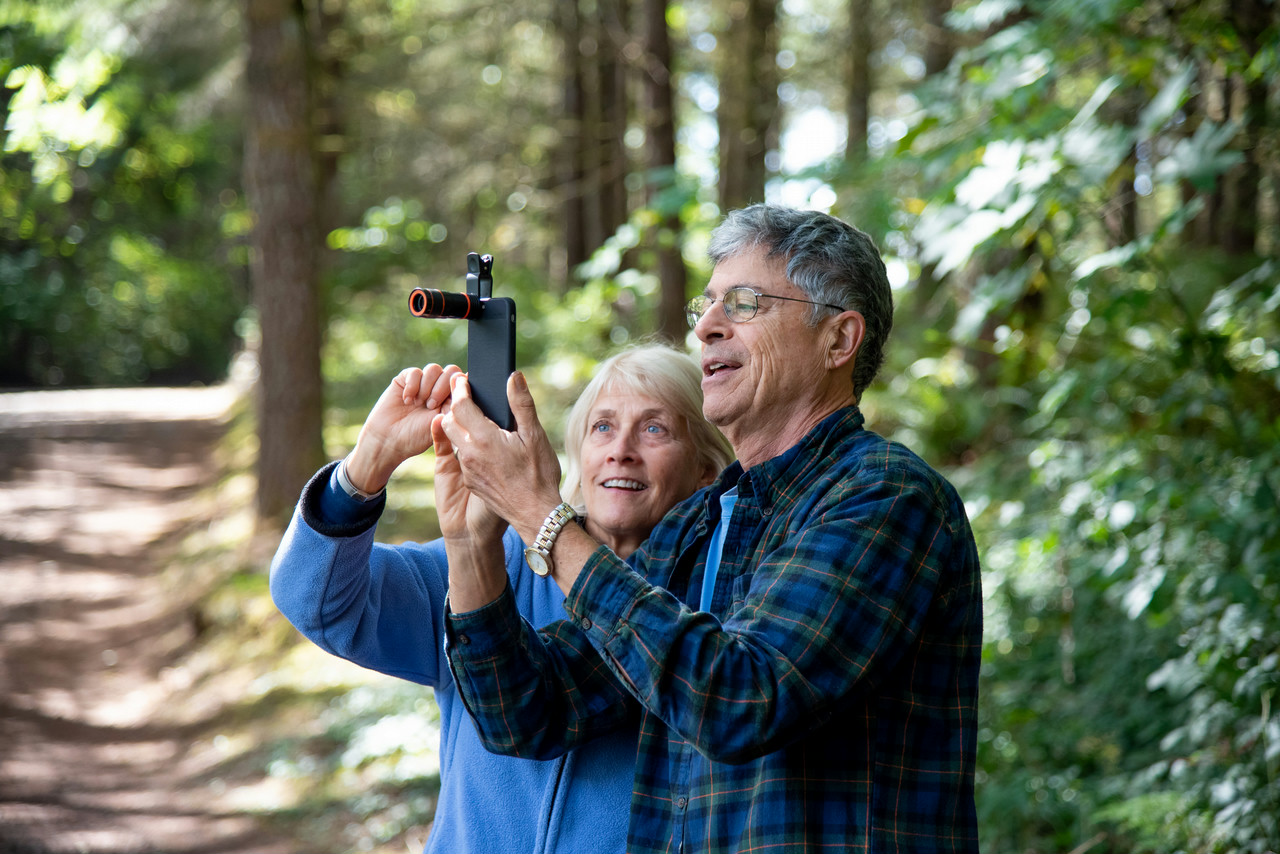
Even sports arenas have become venues for science: the Science Cheerleaders partnered with researchers to collect microbes in stadiums, contributing to NASA’s work on human health in space. Small contributions, multiplied across millions, add up to discoveries no single research team could achieve.
The Impact
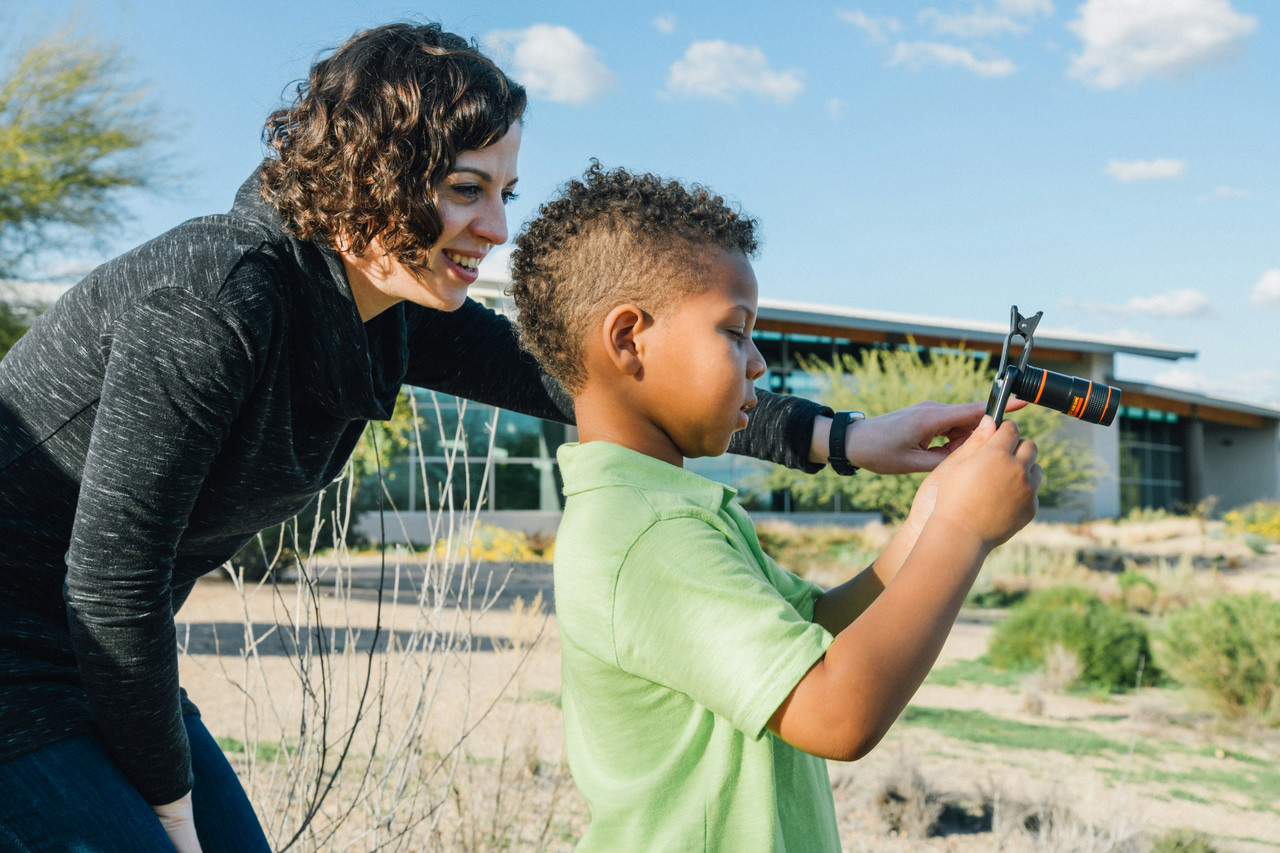
The scale is astonishing. In April 2025 alone, SciStarter’s Citizen Science Month counted more than 3 million acts of science—observations, uploads, classifications. Globally, hundreds of millions of citizen science data contributions are estimated every year.
These efforts have confirmed thousands of new stars, revealed global microplastic hotspots, mapped carbon in forests, and uncovered potential drug discoveries for devastating diseases. Citizen science is not just a pastime—it changes what science can do, who can be involved, and who benefits.
Learning More
Citizen science isn’t only about data collection or analysis; it’s also a way to connect, learn, and explore. Books like The Field Guide to Citizen Science and The Rightful Place of Science: Citizen Science introduce the movement in accessible terms, while works like Diary of a Citizen Scientist, Citizen Science in the Digital Age, and Reinventing Discovery explore its depth. Caren Cooper’s Citizen Science: How Ordinary People Are Changing the Face of Discovery highlights inspiring personal stories. For kids, titles like Citizen Scientists: Be a Part of Scientific Discovery from Your Own Backyard, Bat Count, and Moonlight Crab Count show that science is for everyone.
Citizen science also lives in culture. PBS featured projects on SciGirls and American Spring Live. Disney+/National Geographic highlighted them in Weird but True. Public radio and podcasts like WHYY’s citizen science series and Science Friday regularly showcase new discoveries. The Library & Community Network as Hubs for Citizen Science, co-created by SciStarter and Arizona State University, shows how libraries and museums can loan kits, host projects, and connect research with local communities.

Who can be a citizen scientist?
Citizen scientists typically are not professional scientists. Rather, they are curious or concerned people who collaborate with professional scientists in ways that advance scientific research on topics they care about.
Today, citizen scientists come from all walks of life including retirees seeking to socially connect with others while applying their seasoned knowledge and experiences in ways that help others; online gamers who lend their skills to specially designed programs to analyze folding protein structures and shape the building blocks of life; educators and students who want a more hands-on experience outside the classroom; environmental justice advocates who want to see critical data with their own eyes; current and former NFL and NBA cheerleaders in science professions who engage thousands of non-traditional audiences in citizen science; and even prisoners are getting involved.
Getting Started
The best first step is SciStarter’s Foundations of Citizen Science Training—a short, self-guided introduction that helps you understand how to contribute reliable data and earn a digital badge. From there, the Project Finder allows you to explore projects by location, topic, or activity. Create a free account to track your contributions, receive personalized recommendations, and connect with scientists and fellow volunteers.
A Global Movement
Citizen science is global. The Association for Advancing Participatory Sciences connects practitioners in the U.S. while other professional associations support growth across Europe, Australia, Asia, and Africa. The Citizen Science Global Partnership links these networks across continents.
Platforms are flourishing. iNaturalist, eBird, Zooniverse, CitSci.org, Anecdata, FieldScope, and OpenStreetMap support projects on everything from astronomy to wildlife to health. In Europe, EU-Citizen.Science curates projects and training. In Australia, SciStarter Australia adapts the hub model locally. New instances of SciStarter in Sri Lanka, Japan, and Africa are set to debut in 2026.
SciStarter connects many of these efforts, helping volunteers see how their small contributions become part of something larger, across disciplines and across the world.
Who is facilitating the movement?
SciStarter facilitates direct connections between thousands of scientists/project leaders and millions of potential participants. SciStarter also works with other facilitators to bring citizen science to their communities across all stages of life from its work with the Girl Scouts of USA, school districts, universities, corporate volunteer programs, media partnerships, libraries, museums and senior citizens (among others). See SciStarter.org/Partners to learn more.
Libraries and museums are playing an increasingly important role in connecting people to projects and locally relevant issues. Some libraries loan kits to enrich projects by providing everything a citizen scientist needs to engage in projects. Library staff and facilitators can visit the Library Resources page to support local communities. SciStarter also works with science centers and museums across the country on programs focusing on climate hazards: SciStarter.org/NOAA.
Federal agencies help catalyze citizen science. Federal government and nongovernmental organizations engage people in “addressing societal needs and accelerating science, technology and innovation,” through citizen science and crowdsourcing. Many agencies — the National Aeronautics and Space Administration (NASA), the National Institutes of Health (NIH), the National Library of Medicine (NLM), the National Oceanic and Atmospheric Administration (NOAA), the United States Geological Survey (USGS), the National Science Foundation (NSF), the Smithsonian Institution, National Parks Service (NPS) and other U.S. Federal Agencies — support citizen science through investments in research, development, innovation and infrastructure. Learn more about the Federal Community of Practice for Crowdsourcing and Citizen Science.
The Federal Crowdsourcing and Citizen Science Act describes the benefits of public participation in science to include “accelerating scientific research, increasing cost-effectiveness to maximize return on taxpayer dollars, addressing societal needs and providing hands-on learning in STEM.”
CitizenScience.gov is the official government website “designed to accelerate the use of crowdsourcing and citizen science across the U.S. government. The site provides a portal to three key components: a catalog of federally supported citizen science projects, a toolkit to assist federal practitioners with designing and maintaining their projects and a gateway to a community of hundreds of citizen science practitioners and coordinators across government as called for in the Crowdsourcing and Citizen Science Act of 2016 (15 USC 3724).”
Other Funders Help Support the Growth of Citizen Science
Private foundations, corporations, individual donors, and NGOs provide financial support to create, sustain and scale projects and in some cases, to support participation in addressing societal needs and accelerating science, technology and innovation. Funders include Schmidt Futures, the Sloan Foundation, the Moore Foundation, the Knight Foundation, Verizon and others. See examples on SciStarter.org/Partners.
How is citizen science being formalized?
Science and citizen science have the same historic roots that link it to people who sought discovery in their leisure time. When science became a profession in the 1800s, contributions from non-professionals continued. Yet, only recently has the profession of science reunited with leisure participation. Many recent studies have shown data from volunteers are as reliable as from professionals. For more challenging areas, many new statistical techniques have been developed to address data quality and other aspects of “big data.” The number of research studies benefiting from citizen science is growing every year.
Foundations of Citizen Science Tutorial
Start with the self-guided Foundations of Citizen Science Training and badge, a prerequisite for follow-on trainings. Learn the basics, participate in projects, and make the most of SciStarter.
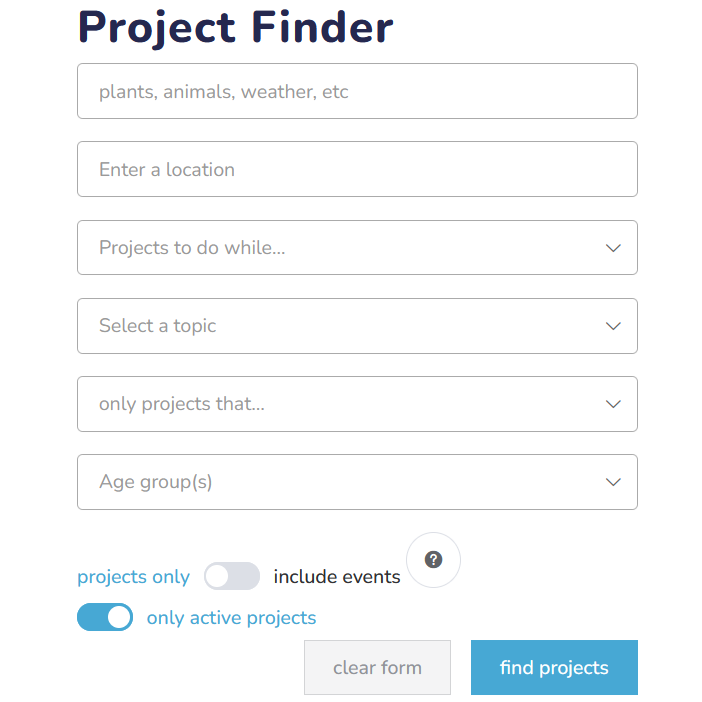
Find a project
Choose a project from this page or search through thousands more options with our Project Finder.
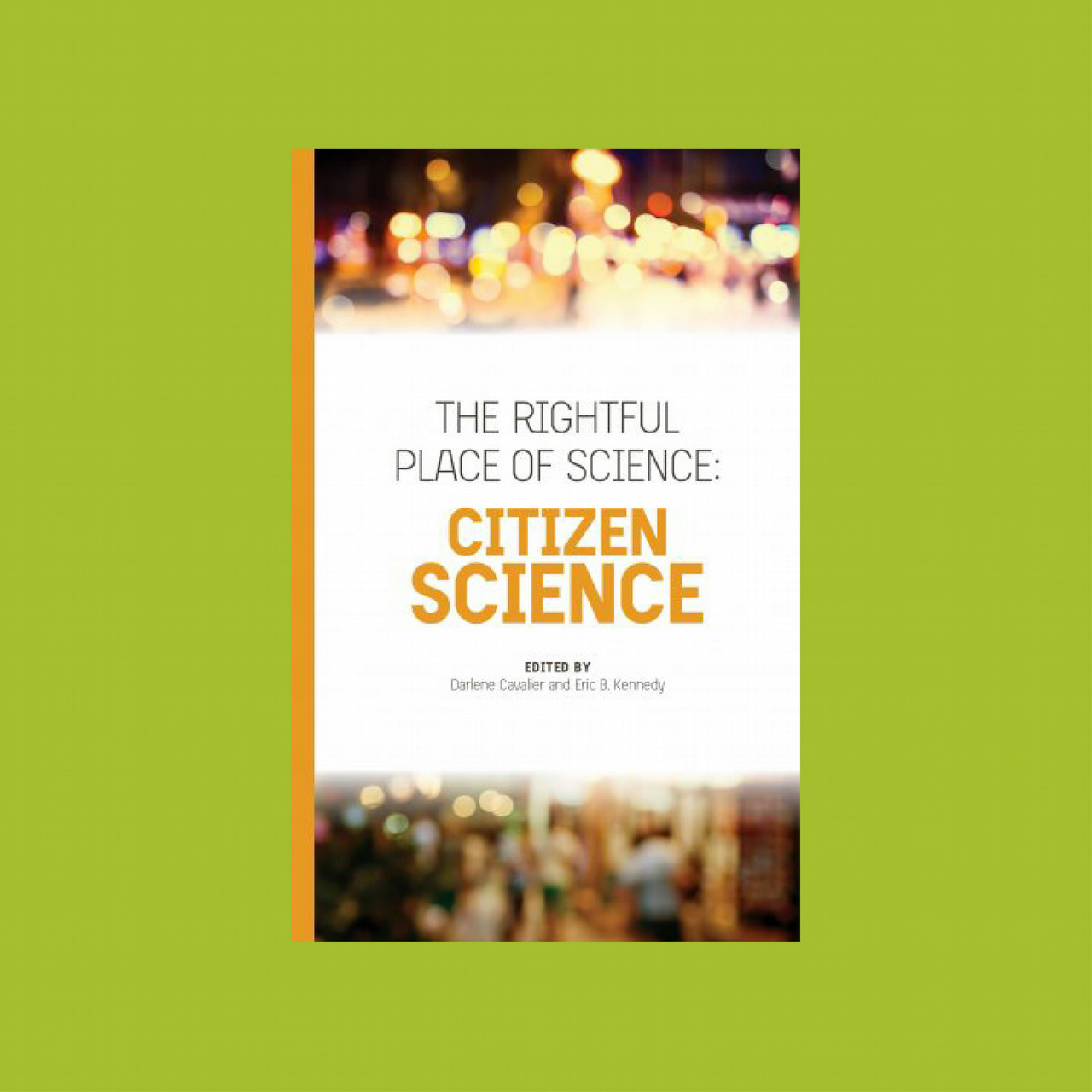
The Rightful Place of Science: Citizen Science
Darlene Cavalier, the Founder of SciStarter and Professor of Practice at the School for the Future of Innovation in Society at Arizona State University, co-edited an accessible, easy-to-read primer on citizen science for anyone interested in understanding the landscape.
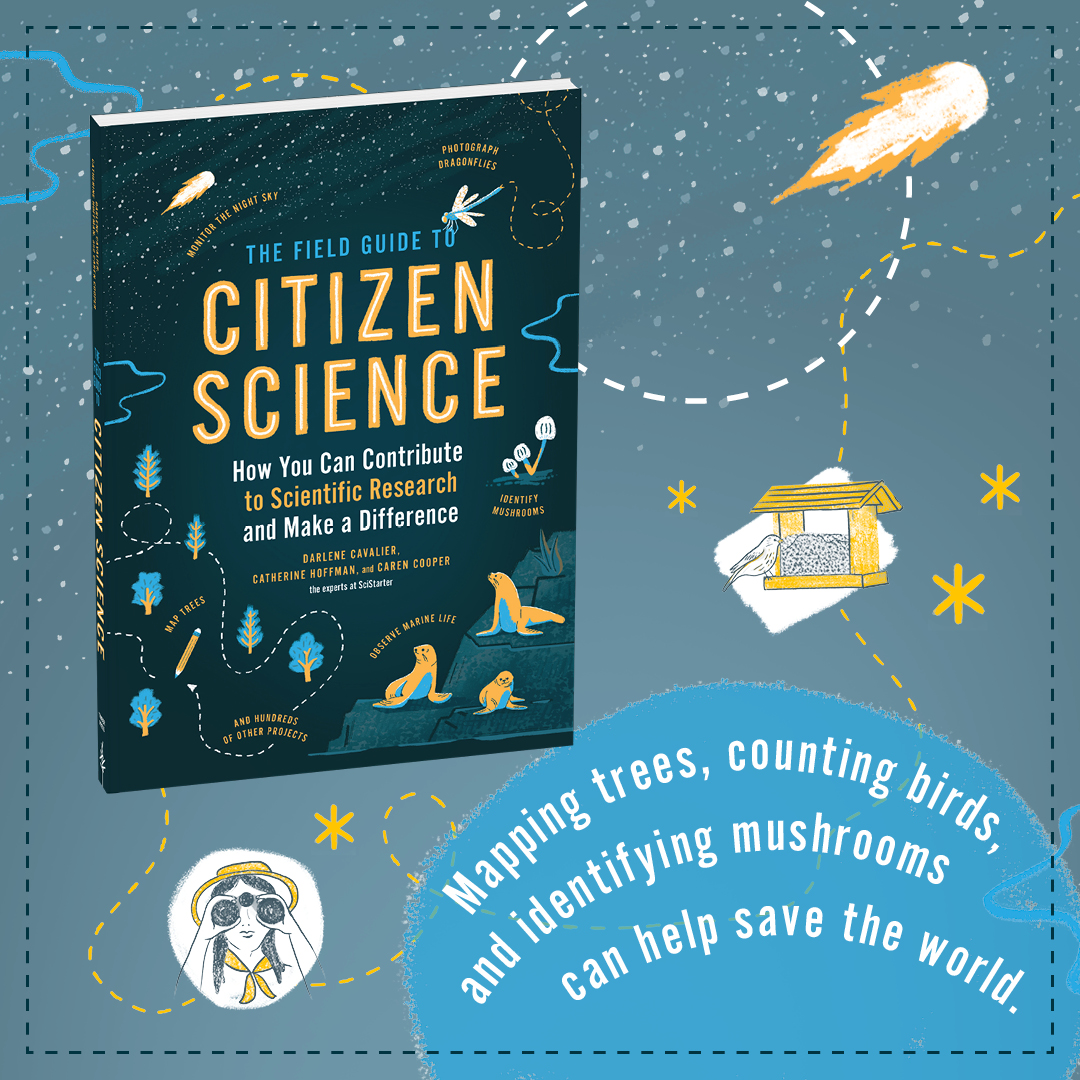
The Field Guide to Citizen Science
Cavalier and SciStarter editors more recently authored The Field Guide to Citizen Science, published by Timber Press (2020). Read to learn what citizen science is, how to succeed and stay motivated when you’re participating in a project and how the data is used.
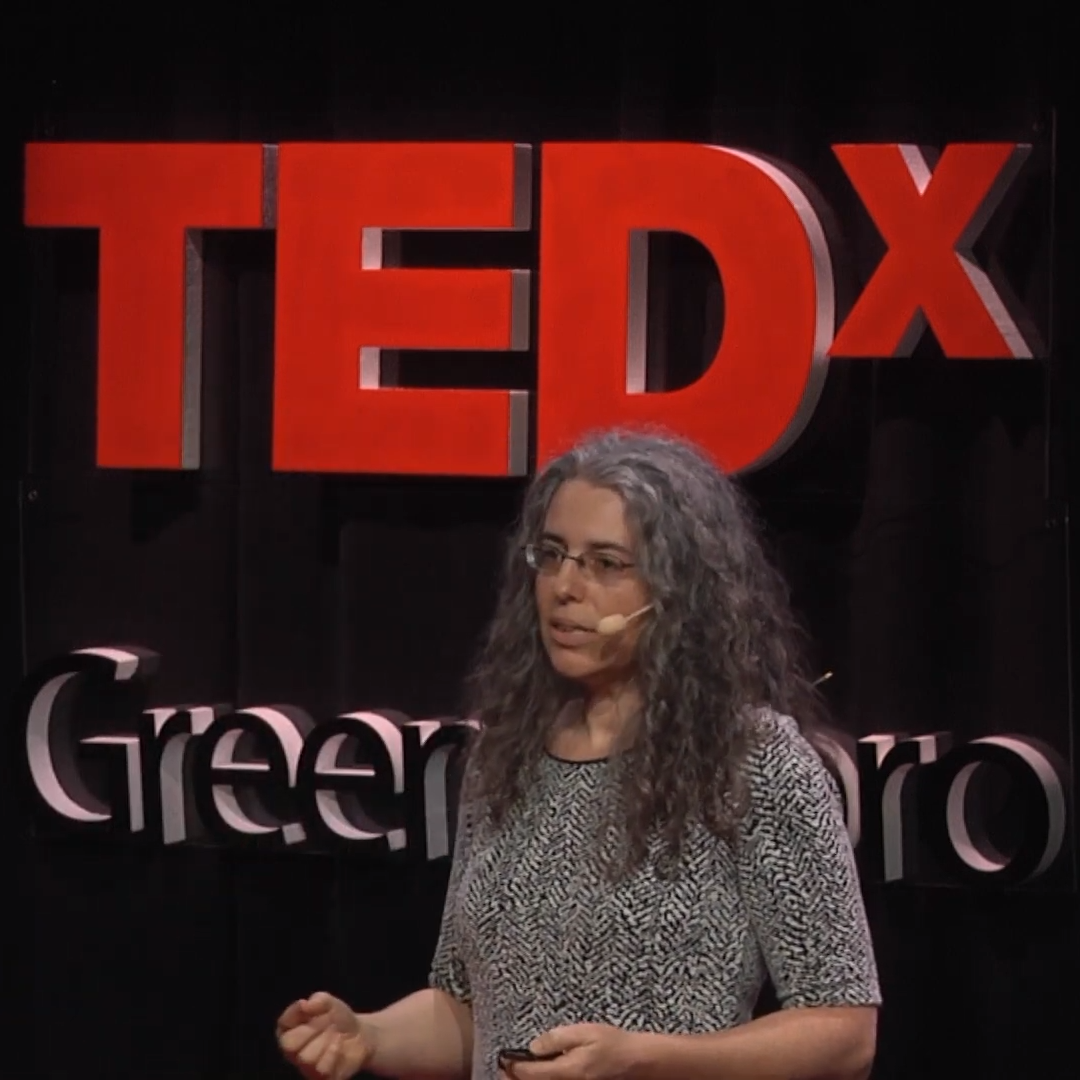
Citizen Science: Everybody Counts | Caren Cooper | TEDxGreensboro
Listen to Dr. Caren Cooper talk about citizen science in her TEDx talk in Greensboro, NC.
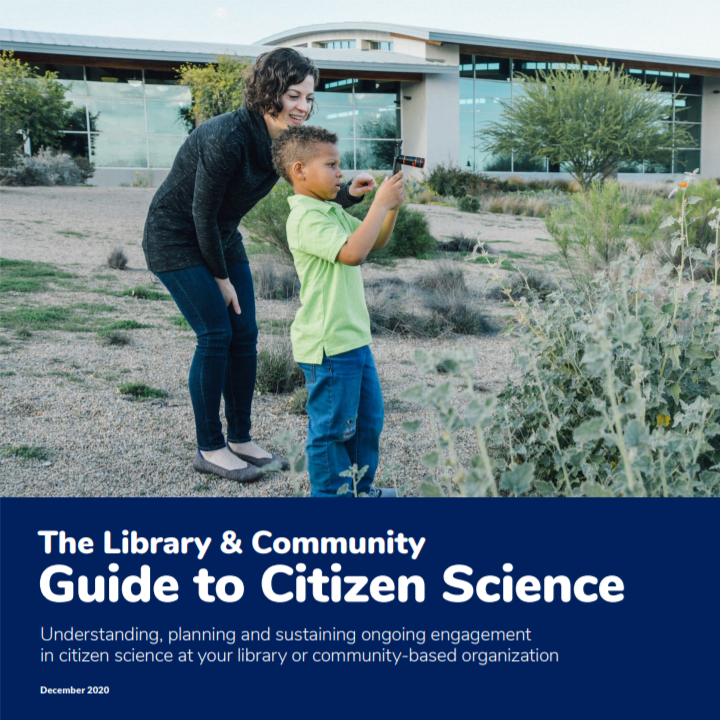
The Library & Community Guide to Citizen Science
The Library & Community Guide to Citizen Science is presented by SciStarter and Arizona State University, with support from the Institute of Museum and Library Services and the Network of the National Library of Medicine.
Download the Library and Community Guide to Citizen Science in English and Spanish.
Below are links to professional associations and additional resources about citizen science
See a chronological list of research that uses data from SciStarter.
Professional associations
The Citizen Science Association launched in 2015 following the Public Participation in Scientific Research conference, which was one of various meetings during which science researchers, project leaders, educators, technology specialists, evaluators and more sat down together to engage in dialogue and exchange ideas about public participation in science. The cross-disciplinary event unveiled the publication of the first journal issue exclusively devoted to citizen science. The IDE Working Group of the CSA helps guide best practices on Integrity, Diversity, and Equity for the field of citizen science. Learn more.
Other Citizen Science Associations and formal organizations:
- U.S. Federal Government’s CitizenScience.gov
- Australian Citizen Science Association
- European Citizen Science Association
- CitizenScience.Asia
- CitSci Africa Association
- Citizen Science Global Partnership
Books:
- The Field Guide to Citizen Science: How You Can Contribute to Scientific Research and Make a Difference
- Citizen Science: How Ordinary People are Changing the Face of Discovery
- The Rightful Place of Science: Citizen Science, ASU Press
- Diary of a Citizen Scientist: Chasing Tiger Beetles and Other New Ways of Engaging the World
- The Incidental Steward: Reflections on Citizen Science
- Street Science: Community Knowledge and Environmental Health Justice (Urban and Industrial Environments)
- Citizen Scientist: Searching for Heroes and Hope in an Age of Extinction
- Citizen Science in the Digital Age: Rhetoric, Science, and Public Engagement (Rhetoric Culture and Social Critique)
- Reinventing Discovery: The New Era of Networked Science
Media:
- Disney Plus/National Geographic Kids “Weird but True”
- PBS “SciGirls”
- PBS “American Spring Live”
- “Citizen Science Goes Online During The Pandemic,” The Weather Channel [Nov. 2020]
Radio and Podcasts:
Magazine/web:
- Discover Magazine “Citizen Science Salon”
- National Science Teaching Association Science Scope: find a monthly series of articles on the left side of SciStarter.org/Education
- Science Friday
- “The rise of citizen science: can the public help solve our biggest problems?” The Guardian [Nov. 2020]
YouTube:
- SciStarter LIVE: Platforms and Resources for Citizen Science Project Leaders
- SciStarter “How To” videos
- SciStarter past webinars and events
- Citizen Scientists: Data for the World
- The Awesome Power of Citizen Science
- Citizen Science: Everybody Counts | Caren Cooper | TEDxGreensboro
- Detecting Earthquakes: AI vs. Citizen Scientists
Platforms to Create Your Own Citizen Science Project: