PARTNER
Do NASA Science LIVE!
A virtual event series presented by SciStarter in partnership with NASA Citizen Science.
Do NASA Science live!

Welcome to SciStarter! To get started, create an account!
Welcome to SciStarter!
Welcome to SciStarter!
Sign up for Updates
Want to Attend? Join SciStarter to receive updates when the Fall 2026 schedule is released.
Host events? Join the Library Network for updates and opportunities for event support.
SciStarter is partnering with NASA to present a series of free virtual events featuring NASA citizen science projects, live Q&As with scientists, and step-by-step instructions to get involved in real time! No previous experience or specialized experience is required!
This program aims to engage thousands of people in NASA citizen science projects to help accelerate research, together.
Whether you tune in from home, attend a local livestream watch party, or host your own watch party, you’ll find everything you need on this microsite!
Getting Started
Who can participate?
Everyone is welcome! No prior experience required. Our events are beginner- and family-friendly, and equally enjoyable for returning volunteers.
Foundations of Citizen Science Training Tutorial
Complete this self-guided tutorial to learn more about what citizen science is and how to participate. You’ll even earn a digital badge for your LinkedIn profile!
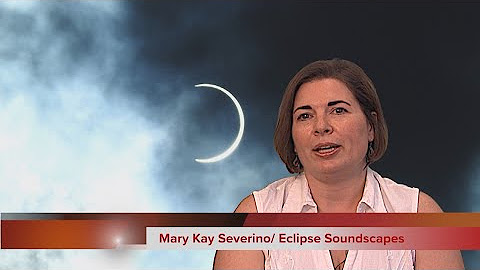
Hear from Project Leaders
Learn more about NASA’s support of citizen science, exciting outcomes, the history of the event series and how YOU can help SciStarter shape future events.
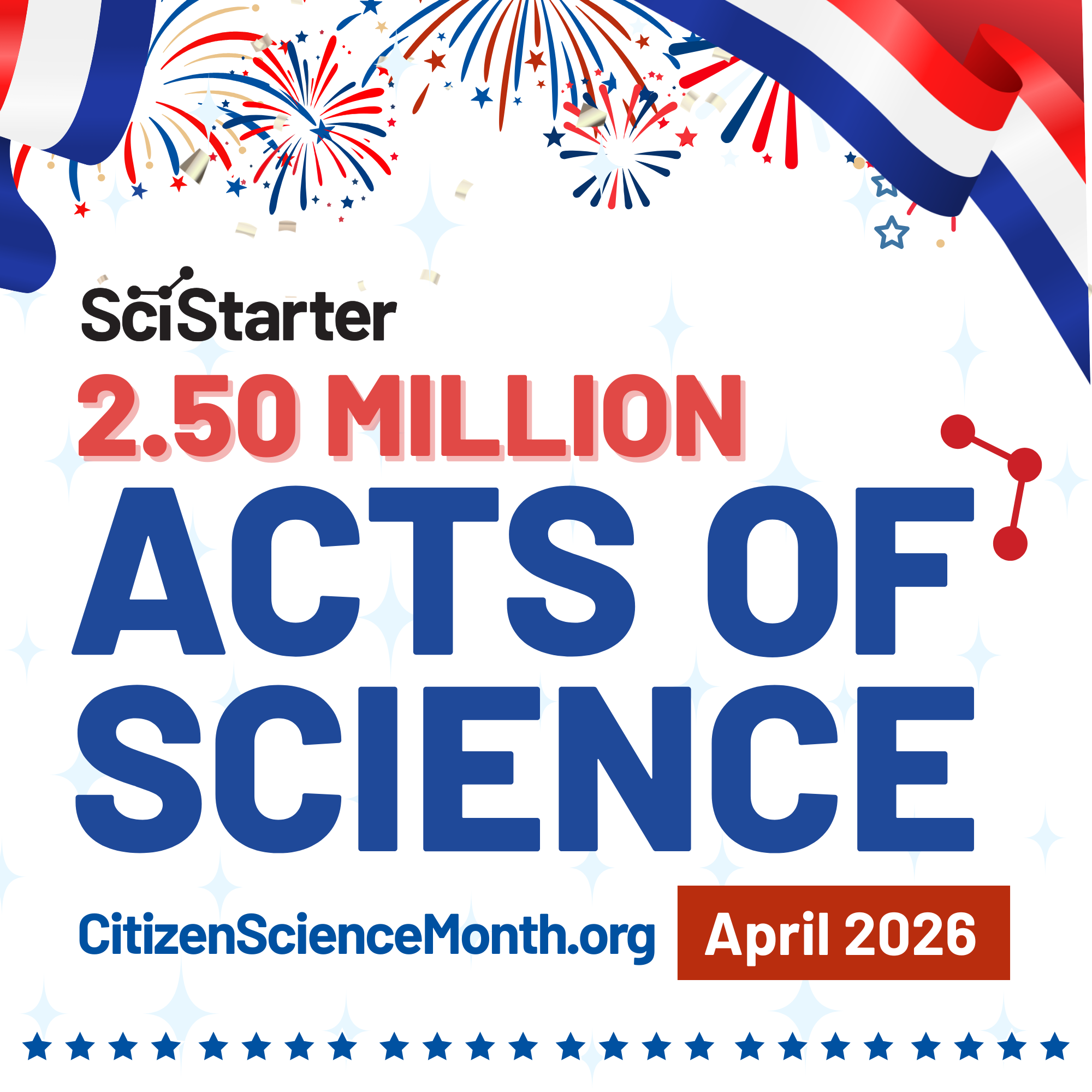
Participate in any of these events in April and be part of 2.50 MILLION Acts of Science in celebration of America’s 250th birthday! SciStarter is an official partner of America250.
Upcoming Events
NOV 19
4:00 – 5:30 p.m. ET

Zoom
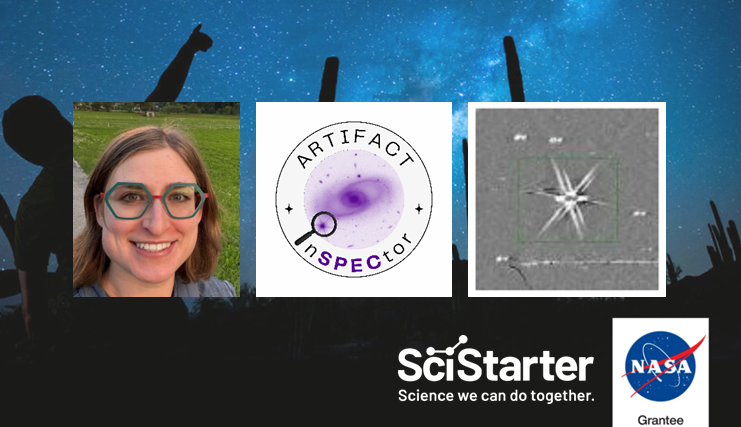
Help AI See Space Better
Featured Project: Artifact InSPECtor
Meet astrophysicist Dr. Aimee Schechter and help advance real NASA research from your own device! In this free virtual event, you’ll look at telescope images and help teach AI to tell real objects in space from glitches and smudges (“artifacts”) that don’t belong. Dr. Schechter and the SciStarter team will guide you step-by-step, so no experience is needed. Participate from a computer (recommended), tablet, or smartphone.
Register below as an individual participant or hosting organization.
More Events Coming Soon
APR 29
Choose a session:
6 PM ET
9 PM ET
Zoom

Comets, Clues, and Our Cosmic Story
Featured Project: Rubin Comet Catchers
Join virtually on the live Zoom event or join in-person at a local livestream gathering.
We’ll meet the scientist behind Rubin Comet Catchers and scan real images from the Vera C. Rubin Observatory for hidden, active comets. Comets carry important clues about the origin of Earth’s water and the building blocks of life. Every comet you help identify supports scientists studying how planetary systems form and evolve—including our own.
Libraries, museums, schools and community organizations: View Event Toolkit for Hosts and Facilitators.
PAST Events
APR 29
Zoom
Comets, Clues, and Our Cosmic Story
Featured Project: Rubin Comet Catchers
Meet the scientists behind Rubin Comet Catchers and scan real images from the Vera C. Rubin Observatory for hidden, active comets. Every comet you help identify supports scientists studying how planetary systems form and evolve—including our own.
Libraries, museums, schools and community organizations: View Event Toolkit for Hosts and Facilitators.
APR 22
Zoom
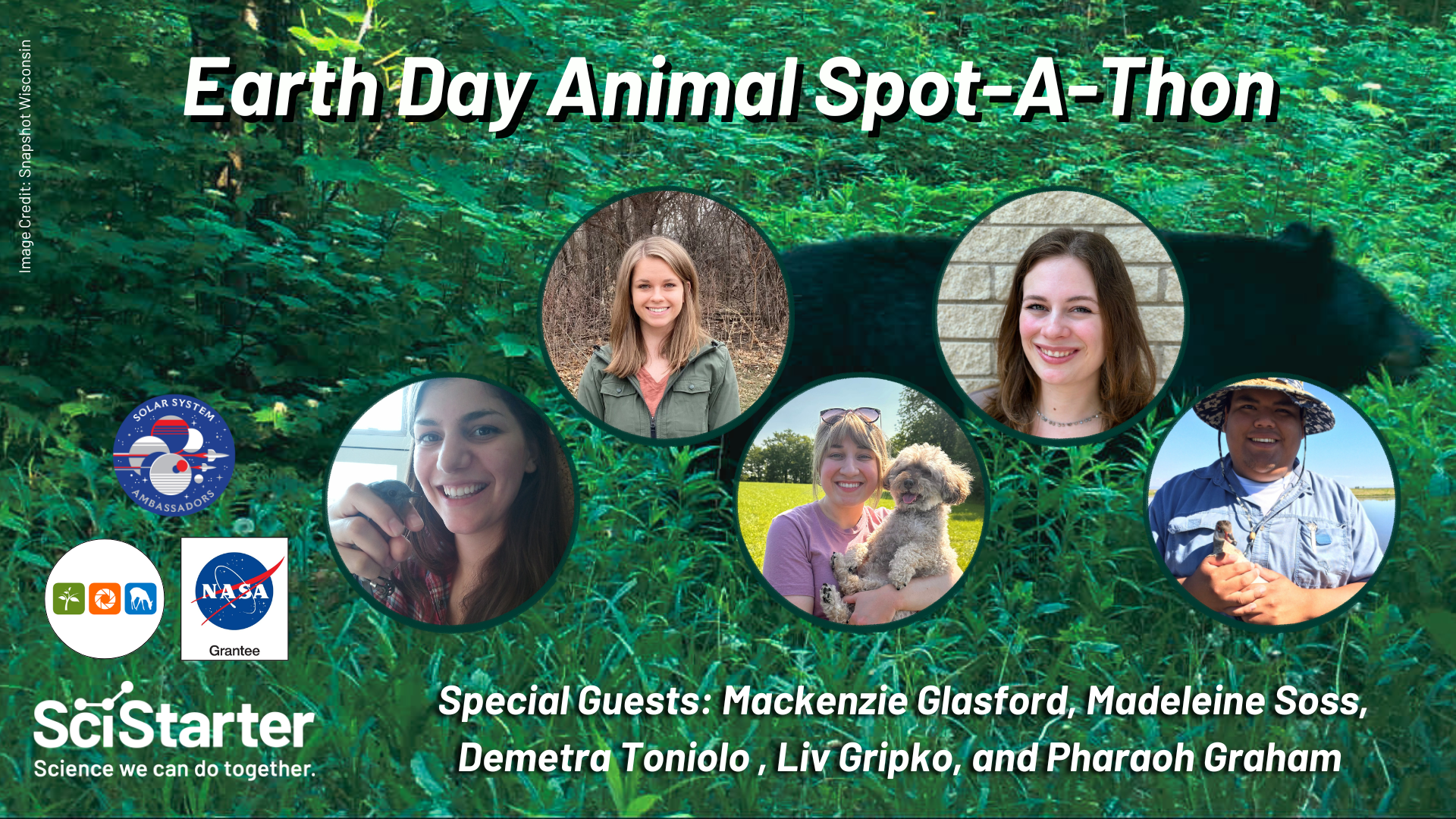
Earth Day Animal Spot-A-Thon
Featured Project: Snapshot Wisconsin
Celebrate Earth Day by helping scientists monitor wildlife! In this hands-on event, you’ll explore trail camera photos and help classify the animals you see.
Libraries, museums, schools and community organizations: View Event Toolkit for Hosts and Facilitators.
APR 2
Zoom
What’s the weather like on Mars?
Featured Project: Cloudspotting on Mars
Every cloud you spot helps NASA scientists understand daily and seasonal weather patterns on the Red Planet, informing future missions and research.
DEC 11
Zoom
Do NASA Science LIVE! with Redshift Wrangler
Featured Project: Redshift Wrangler – A project that uses light to look back in time, study how galaxies evolve, and measure their distance from Earth. Redshift Wrangler needs your help to make this possible!
FEB 11
Zoom
Cosmic Pioneers: Discovering Distant Galaxies Together
Featured Project: Dark Energy Explorers – A project that studies the universe’s expansion and uncover the role of dark energy over cosmic history.
Projects
Explore NASA Citizen Science Projects
Discover NASA-supported citizen science projects you can participate in anytime—on your own or with others. These projects contribute to real NASA research and are open to all skill levels. Some projects are featured during Do NASA Science LIVE! events, where participants join together in real time with guidance from the project scientist.
Recommended:
Start with the self-guided interactive training to get to know the basics of Citizen Science.
Featured Projects
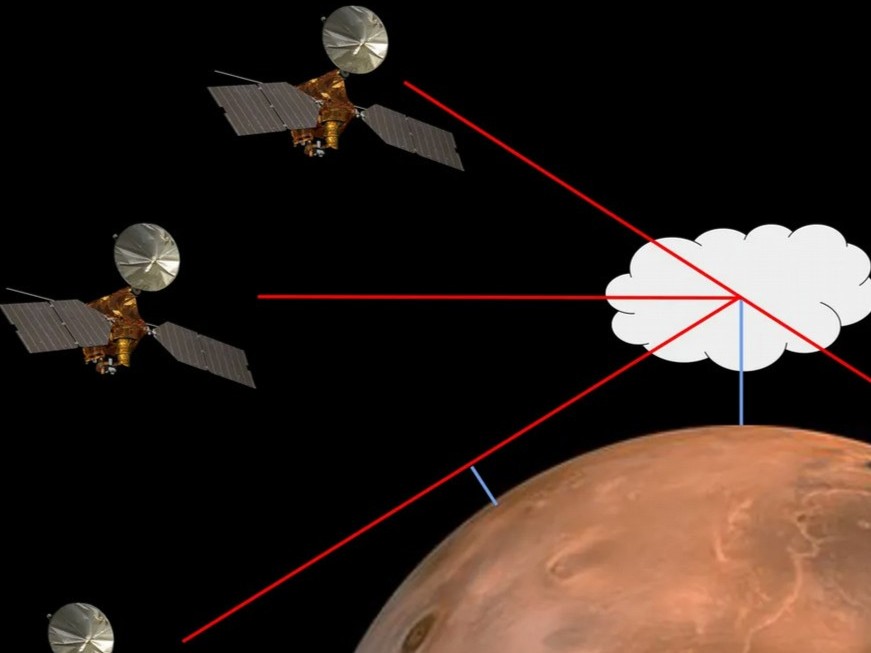
Cloudspotting On Mars
What You’ll Do: Find and mark exotic clouds high in the Martian atmosphere
Who Can Participate: Best for ages 11+

Anytime
Anywhere

Universe, space, exoplanets
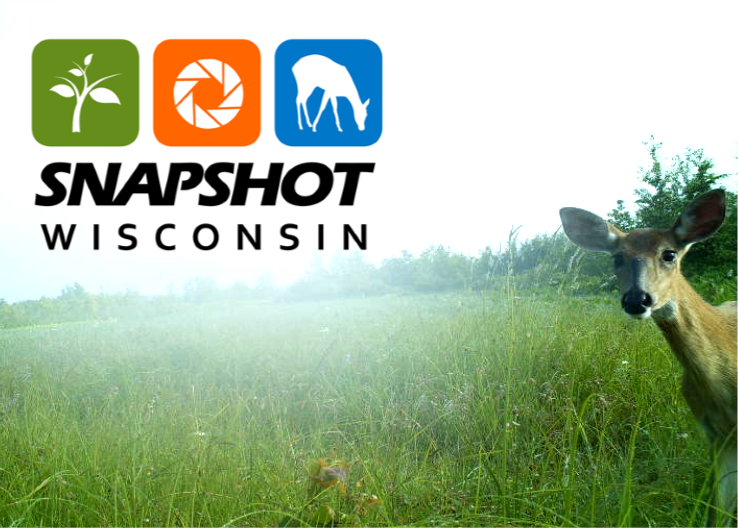
Snapshot Wisconsin
What You’ll Do: Monitor and identify wildlife in Wisconsin with trail cameras images online
Who Can Participate: Best for ages 6+
Anytime
Anywhere
Wildlife monitoring
All Projects
Artifact InSPECtor
What You’ll Do: Review telescope data and flag artifacts
Who Can Participate: Best for ages 11+
Anytime
Anywhere
Space, astrophysics, universe
Exoasteroids

What You’ll Do: Search for asteroids around dead stars in NASA telescope images
Who Can Participate: Best for ages 11+
Anytime
Anywhere
Space, astrophysics, solar system
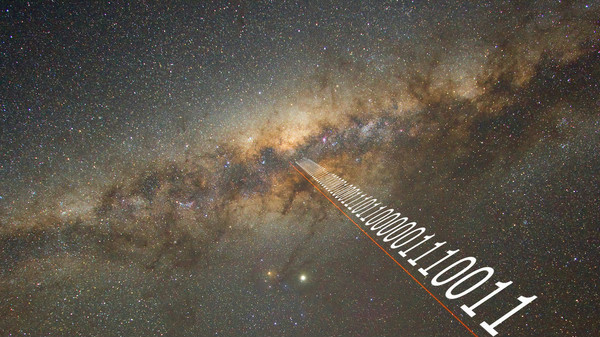
Are we alone in the universe?
What You’ll Do: Find promising signals to accelerate the search for extraterrestrial civilizations
Who Can Participate: Best for families and ages 11+
Anytime
Anywhere
Space, astrophysics
Backyard Worlds: Binaries
What You’ll Do: Examine telescope images to spot orbiting object pairs moving together
Who Can Participate: Best for families and ages 6+
Anytime
Anywhere
Space, astrophysics
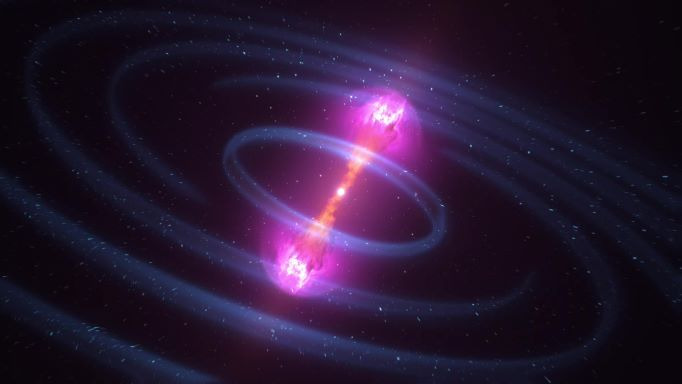
Burst Chaser
What You’ll Do: Identify pulse shapes to help unravel the origin of gamma-ray bursts
Who Can Participate: Best for families and ages 11+
Anytime
Anywhere
Space, astrophysics, solar system
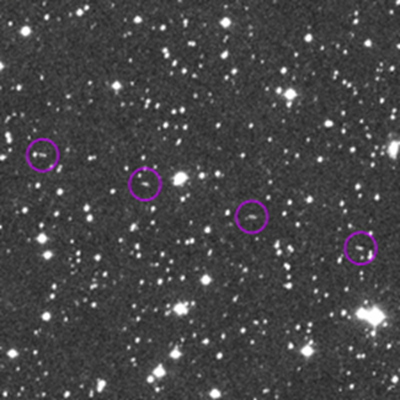
The Daily Minor Planet
What You’ll Do: Find and label asteroids every day
Who Can Participate: Best for ages 14+
Anytime
Anywhere
Universe, asteroids, space


Active Asteroids
What You’ll Do: Search telescope images to find active asteroid candidates
Who Can Participate: Best for families and ages 11+
Anytime
Anywhere
Space, astrophysics
Aurorasaurus
What You’ll Do: Submit sightings and classify relevant tweets about auroras
Who Can Participate: Best for families and ages 11+
Anytime
High latitudes
Heliophysics, weather and climate, requires prep time, requires materials or tools

Backyard Worlds: Cool Neighbors
What You’ll Do: Discover the Sun’s most extreme cosmic neighbors
Who Can Participate: Best for families and ages 11+
Anytime
Anywhere
Space, astrophysics, astronomy, brown dwarfs, exoplanets, research, stars

Backyard Worlds: Planet 9
What You’ll Do: Search the realm beyond Neptune for new brown dwarfs and planets
Who Can Participate: Best for ages 6+
Anytime
Anywhere
Space, astrophysics, solar system
Chesapeake Water Watch (CWW)
What You’ll Do: Improve Chesapeake Bay water quality by ground-truthing satellite remote sensing with your own water sampling
Who Can Participate: Best for ages 6+
Anytime
Chesapeake Bay, United States
Requires prep time, requires materials or tools, water, nature
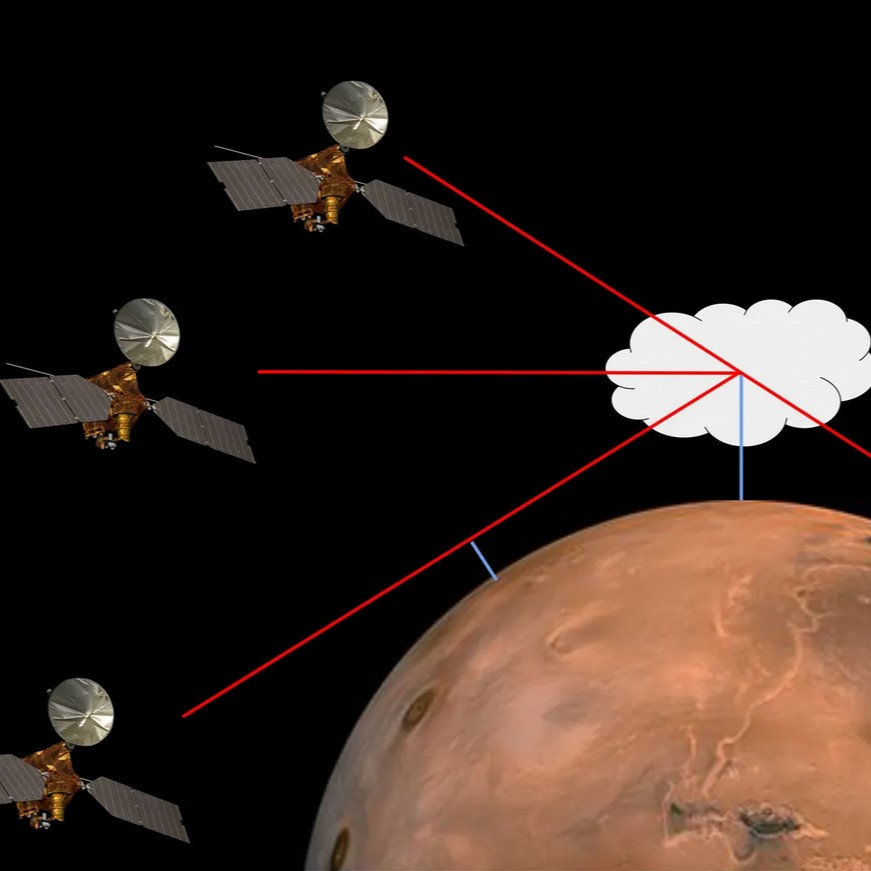
Cloudspotting On Mars
What You’ll Do: Find and mark exotic clouds high in the Martian atmosphere
Who Can Participate: Best for ages 11+
Anytime
Anywhere
Solar System, space
Cloudspotting On Mars: Shapes
What You’ll Do: Mark and tag common cloud types in images of Martian clouds
Who Can Participate: Best for ages 11+
Anytime
Anywhere
Solar System, space
Dark Energy Explorers
What You’ll Do: Identify distant galaxies to help measure dark energy when the universe was just ~2-3 billion years old
Who Can Participate: Best for ages 14+
Anytime
Anywhere
Universe, astrophysics, exoplanets, space

Disk Detective
What You’ll Do: Search for dusty debris around stars where distant worlds dwell in videos from NASA telescopes
Who Can Participate: Best for ages 6+
Anytime
Anywhere
Universe, astrophysics, space, astronomy

Exoplanet Watch
What You’ll Do: Observe planets outside our solar system with your home telescope
Who Can Participate: Best for families and adults
Anytime
Anywhere
Universe, astrophysics, astronomy, telescope, exoplanets, space, heliophysics, requires prep time, requires materials or tools
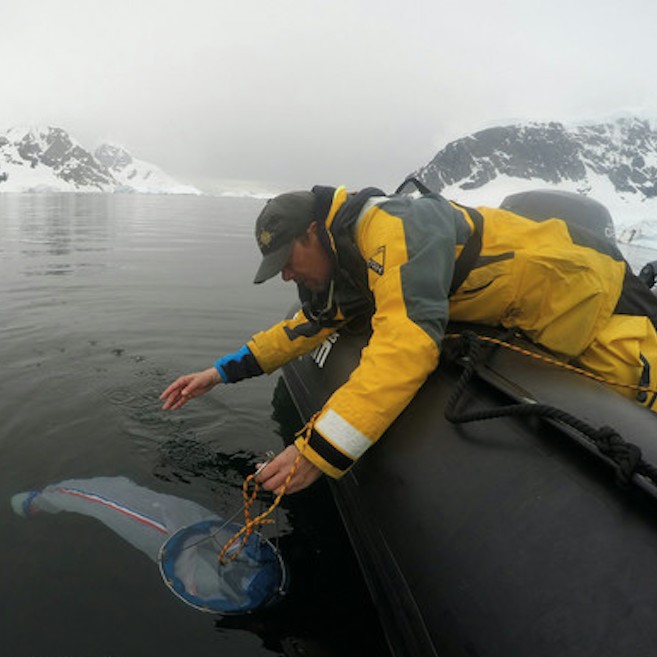
Fjord Phyto
What You’ll Do: Take a phytoplankton sample while visiting Antarctica
Who Can Participate: Best for ages 14+
November – March
Antarctic Peninsula
Ocean, water/snow/ice, plankton, requires materials or tools, water
Fresh Eyes on Ice
What You’ll Do: Observe and document ice conditions for community safety and environmental change research
Who Can Participate: Best for ages 6+
Anytime
Anywhere
Ice, nature, weather and climate, water
Galaxy Zoo
What You’ll Do: Help classify galaxies from telescope images
Who Can Participate: Best for ages 14+
Anytime
Anywhere
Space, astrophysics, universe

Galaxy Zoo: Clump Scout II
What You’ll Do: Review galaxy images and adjust boxes around bright regions
Who Can Participate: Best for ages 6+ and families
Anytime
Anywhere
Space, astrophysics

Galaxy Zoo: Tidal Tales
What You’ll Do: Examine images of galaxies for evidence of galactic interactions
Who Can Participate: Best for ages 6+ and families
Anytime
Anywhere
Space, astrophysics
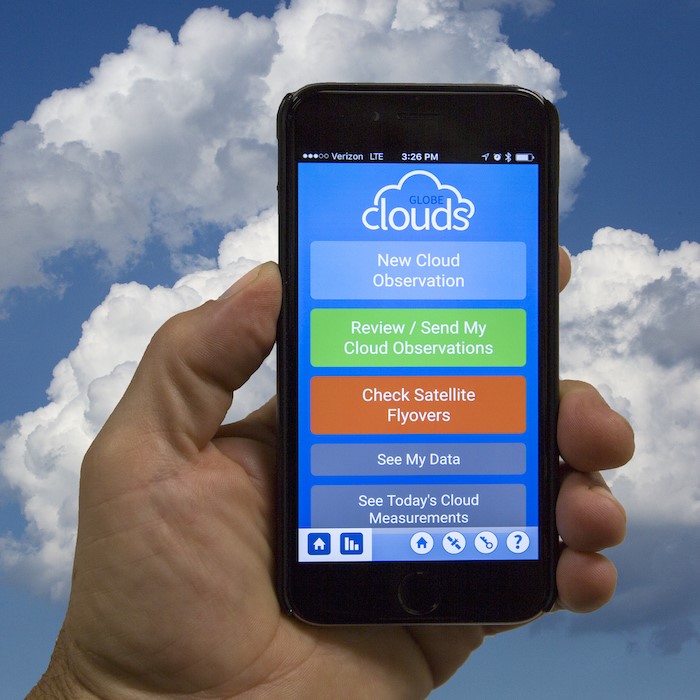
GLOBE Observer
What You’ll Do: Collect environmental data on your smartphone in support of Earth system science
Who Can Participate: Best for ages 11+
Anytime
Anywhere
Earth, clouds, mosquito, trees, land, heliophysics, nature, weather and climate
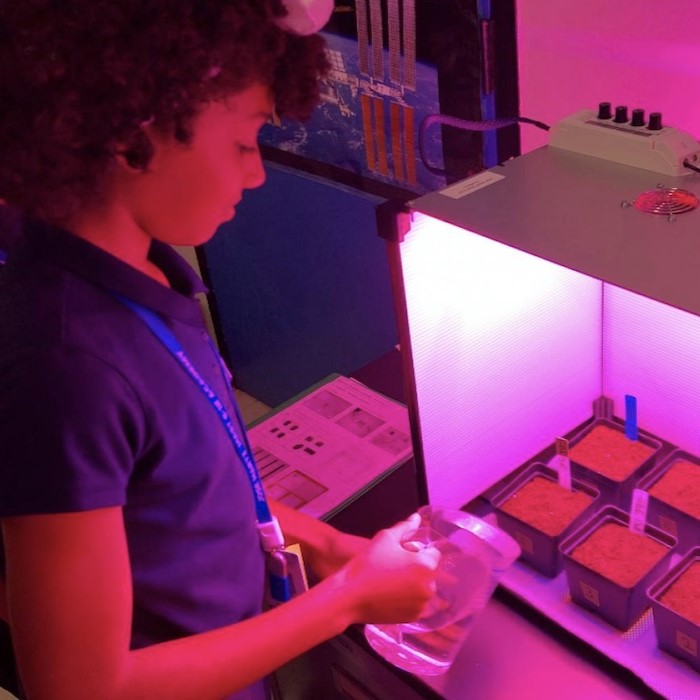
Growing Beyond Earth
What You’ll Do: Test edible plant options for long-distance space travel in your classroom
Who Can Participate: Middle school and high school classrooms
During the school year
United States
Space, requires prep time, requires materials or tools, heliophysics, also good for kids, offers class/group activities
Ham Radio Science Citizen Investigation (HamSCI)
What You’ll Do: Advance scientific research and understanding through amateur radio activities
Who Can Participate: Ham radio operators of all ages
Anytime
Anywhere
Sun, requires prep time, heliophysics, radio, space
Impact Flash!
What You’ll Do: Collect video of the lunar dark side with a telescope
Who Can Participate: Best for adults
Anytime
Anywhere
Artemis, space
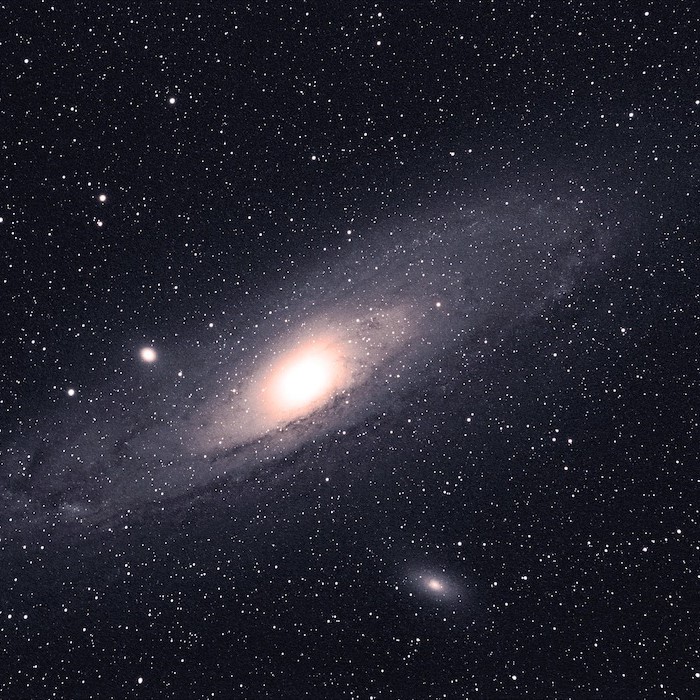
International Astronomical Search Collaboration (IASC)
What You’ll Do: Help keep Earth safe from near-Earth asteroids by finding more
Who Can Participate: Best for families and ages 6+
Anytime
Anywhere
Solar System, requires materials or tools, space
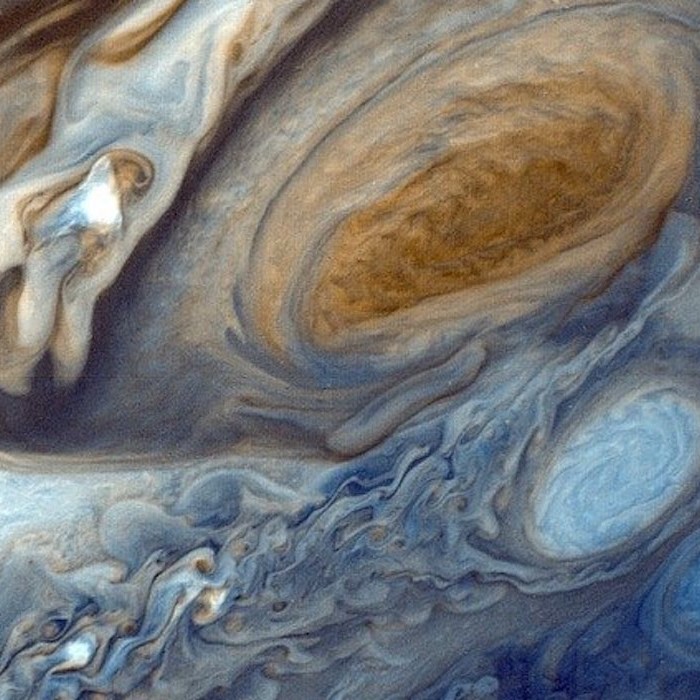
JunoCam
What You’ll Do: Upload YOUR images of Jupiter to help NASA plan the Juno mission
Who Can Participate: Best for families and ages 6+
Anytime
Anywhere
Solar System, requires prep time, requires materials or tools, space
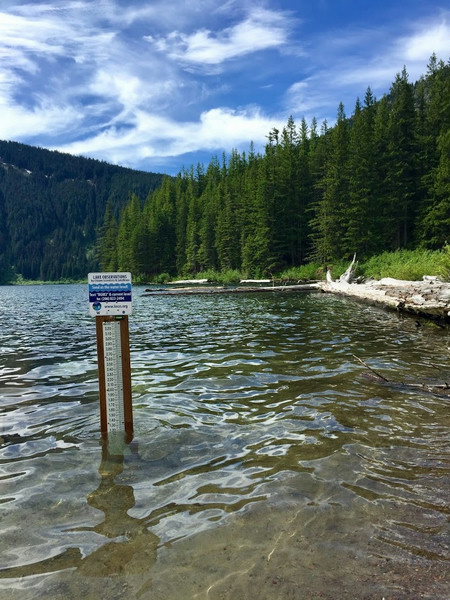
Lake Observations by Citizen Scientists and Satellites
What You’ll Do: Read a lake gauge and report the water level to help track lake water levels using volunteers and satellite data
Who Can Participate: Best for ages 18+
Anytime
Participating lakes
Hydrology, lakes, satellites, environmental monitoring
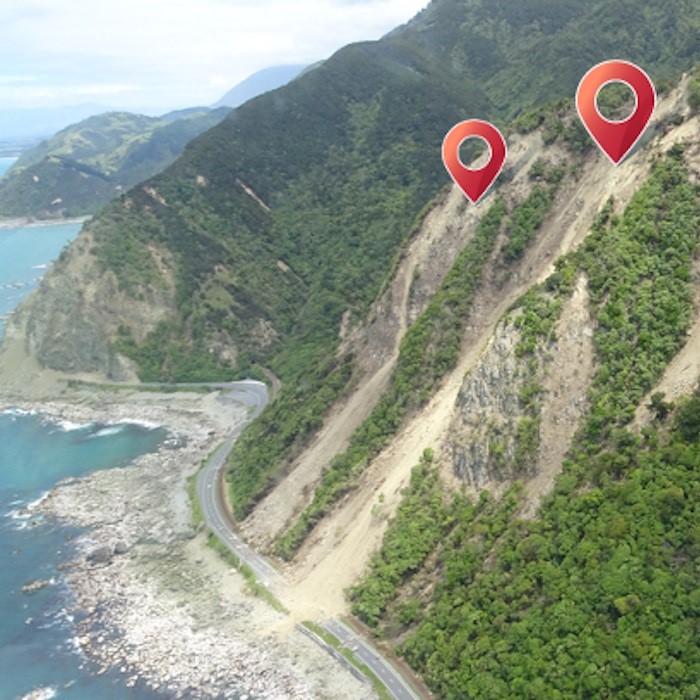
Landslide Reporter
What You’ll Do: Mapping landslides around the world for better hazard mitigation
Who Can Participate: Best for ages 14+
Anytime
Anywhere
Earth, requires prep time, soil, nature
Lunar Melt
What You’ll Do: Mark craters and boulders on lunar surface images
Who Can Participate: Best for families and ages 6+
Anytime
Anywhere
Crater mapping, lunar, moon, nasa, planetary science
Mountain Rain or Snow
What You’ll Do: Report what is falling from the sky during winter storms
Who Can Participate: Best for families and ages 6+
During winter storms
Anywhere
Earth, rain, snow, nature, weather and climate
Open Science Data Repository Analysis Working Groups
What You’ll Do: Join a working group to frame and conduct research across datasets
Who Can Participate: Best for ages 14+
Anytime
Anywhere
Bioinformatics, microgravity, radiation

Overlap Zoo
What You’ll Do: Confirm and describe overlapping galaxy pairs to reveal interstellar dust.
Who Can Participate: Best for families and ages 6+
Anytime
Anywhere
Astronomy, galaxy, space
Planet Hunters TESS
What You’ll Do: Help identify distant undiscovered planets using NASA data
Who Can Participate: Best for families and ages 11+
Anytime
Anywhere
Astronomy, galaxy, planets, space
Spiral Graph: Cluster Buster
What You’ll Do: Evaluate automated groupings of spiral arm tracings
Who Can Participate: Best for families and ages 14+
Anytime
Anywhere
Astronomy, galaxy, space

SouthEast Region CoCoRaHS Hail (SEaRCH) Project
What You’ll Do: Contribute to the hail study by reporting real-time observations (and photos) of hail or join the CoCoRaHS network, set up a rain gauge, and make daily readings and reports
Who Can Participate: Best for families and ages 6+
Everyday, during storms
North America
Hail, rain, snow, nature, weather and climate
Space Umbrella
What You’ll Do: Review space images and identify signs of solar activity
Who Can Participate: Best for ages 14+
Anytime
Anywhere
Aurora, magnetosphere, plasma, solar wind, space weather
Ozone Where We Live (OWWL)
What You’ll Do: Collect air quality measurements
Who Can Participate: Residents and civilian pilots in the San Joaquin Valley
Anytime
California
Air, air quality, ozone, pollution
Radio JOVE
What You’ll Do: Observe natural radio emissions from Jupiter, the Sun, and more with your own telescope
Who Can Participate: Best for classrooms, families, and ages 11+
Anytime
Anywhere
Jupiter, Sun, heliophysics, radio, space, astronomy, telescope
Redshift Wrangler
What You’ll Do: Use the light from distant galaxies to look back in time to the early universe
Who Can Participate: Best for ages 14+
Anytime
Anywhere
Universe, astrophysics, galaxies, space
Rubin Comet Catchers
What You’ll Do: Classify images of solar system bodies as having a tail or not to find comets
Who Can Participate: Best for families and ages 6+
Anytime
Anywhere
Asteroids, comets, rubin, space
Shock Detectives
What You’ll Do: Review space images and sort them into simple categories
Who Can Participate: Best for families and ages 14+
Anytime
Anywhere
Magnetosphere, solar winds
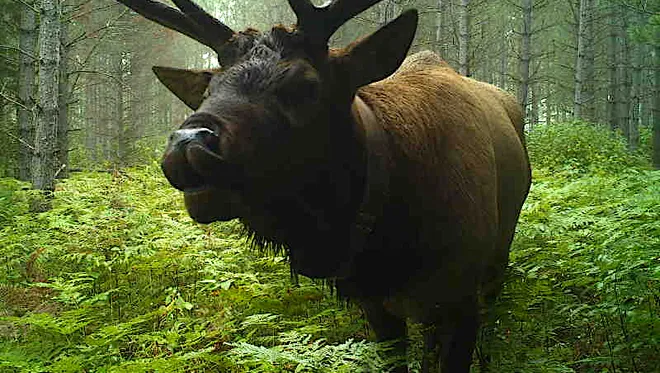
Snapshot Wisconsin
What You’ll Do: Monitor and identify wildlife in Wisconsin with trail cameras images online
Who Can Participate: Best for families, classrooms, and ages 6+
Anytime
Anywhere
Wildlife monitoring, trail cameras
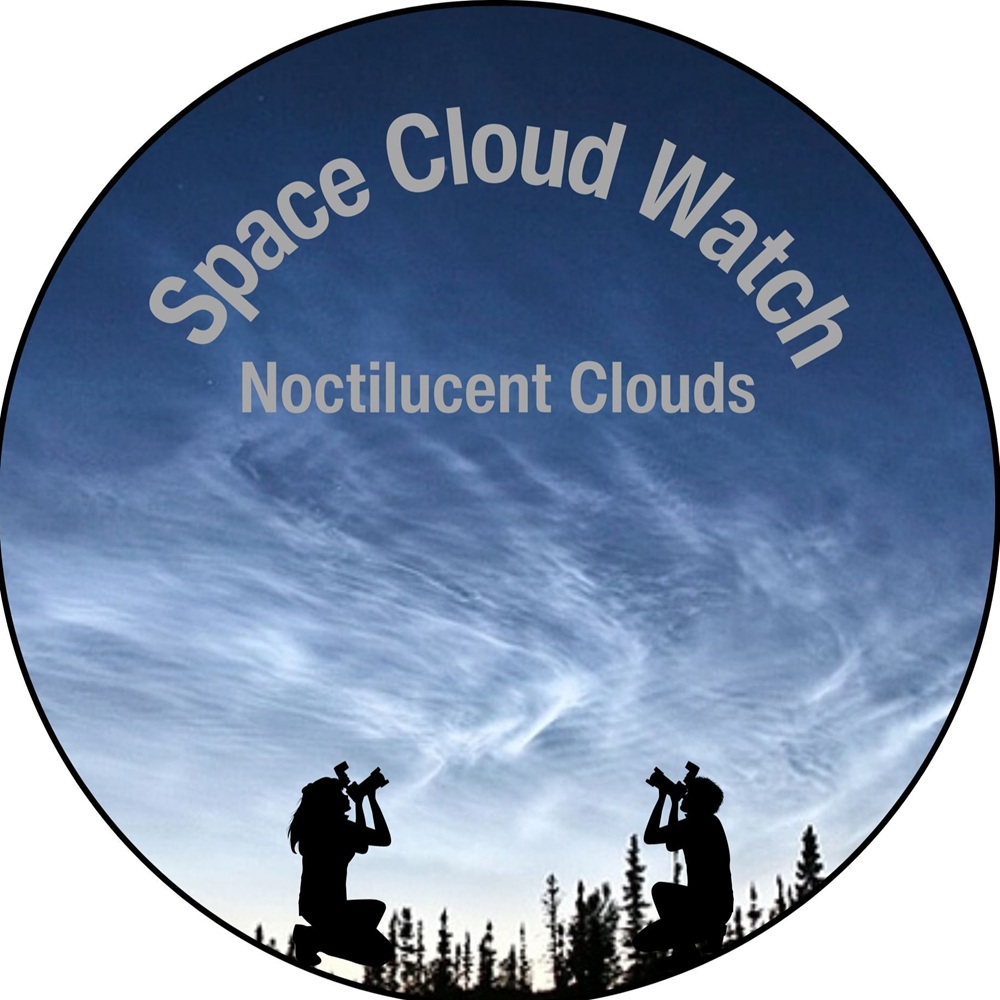
Space Cloud Watch
What You’ll Do: Observe the sky for noctilucent clouds and report sightings or absences
Who Can Participate: Best for ages 12+ (with adult supervision)
During twilight
Anywhere
Clouds, photography, weather, satellites
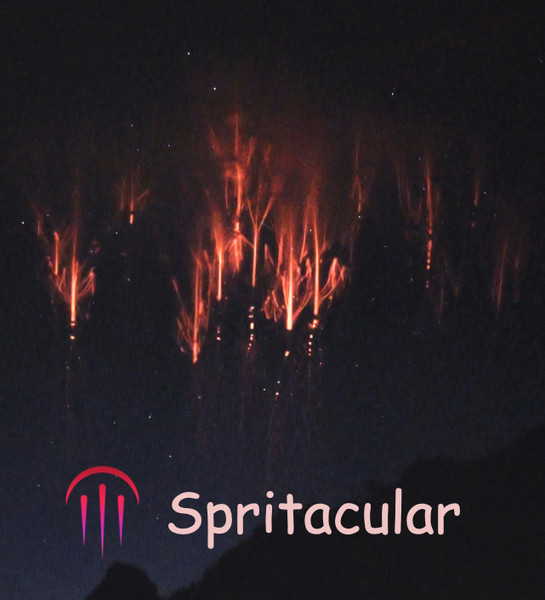
Spritacular
What You’ll Do: Submit your observations of TLEs and help us verify the submitted images
Who Can Participate: Best for college students and adults
During thunderstorms
Anywhere, provided there is availability to see Sprits
Requires prep time, requires materials or tools, heliophysics

The Sungrazer Project
What You’ll Do: Look for new comets using data from NASA missions
Who Can Participate: Best for ages 11+
Anytime
Anywhere
Sun, heliophysics, astronomy, requires prep time, requires materials or tools, space
Unistellar Network Investigating TESS Exoplanets (UNITE)
What You’ll Do: Confirm the existence of newly-discovered worlds with your telescope
Who Can Participate: Best for families and ages 11+
Anytime
Anywhere
Universe, telescope, exoplanets, astrophysics, requires prep time, requires materials or tools, space
X-Snow
What You’ll Do: Collect measurements of snow depth, temperature, wetness, and brightness in the Catskills and Adirondack Regions
Who Can Participate: Best for families and ages 14+
Winter and early spring
In the Catskills and Adirondack Regions
Snow, winter, climate, weather
Host a Do NASA Science LIVE Event
Bring your community together by hosting an in-person gathering and livestreaming a Do NASA Science LIVE! event. SciStarter produces the virtual event—you provide the space and people. Find instructions and resources below as well as an FAQ section.
What Hosting Looks Like
- Choose a public Do NASA Science LIVE! event and register on Zoom.
- Invite people to gather in-person.
- Livestream the virtual event on Zoom to the gathering. SciStarter and the project team will moderate over the course of the Zoom call.
- Provide light facilitation as needed: repeat instructions, add questions to the Zoom Q&A, supply materials to your guests from the event toolkits (printable instructions, take-home flyers, etc.).
- Facilitate participation using provided materials.
Who Provides What
SciStarter provides:
- The live virtual event
- Step-by-step event toolkits
- Printable activities and takeaways
- Follow-up resources for continued engagement
Hosts provide:
- A physical space
- A screen and internet connection
- Light facilitation
- Local outreach and promotion
Hosts may be eligible for a limited number of $500 mini-grants. Check back at a later date for when grant applications reopen.
Next Steps
Event Toolkits
- Event Toolkit for What’s the Weather Like on Mars? on April 2, 2026
- Event Toolkit for Earth Day Animal Spot-A-Thon on April 22, 2026
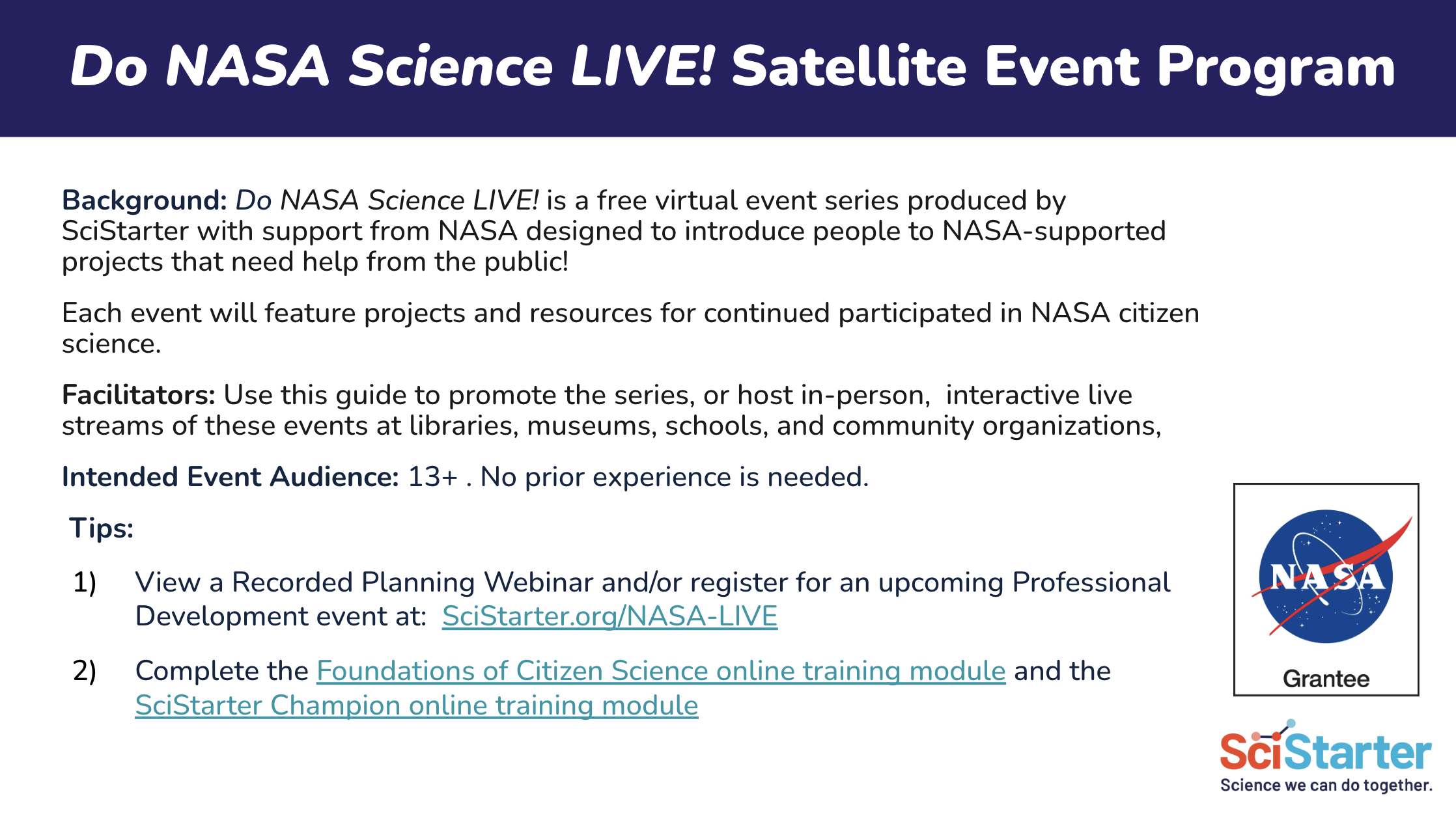
For any Do NASA Science LIVE! event, View the Do NASA Science LIVE! satellite event host mini guide to prepare.
Info Sessions and Professional Development Events
MAR 17
2:00 PM ET
Zoom
Event Host Info Session
Learn how to host an Do NASA Science LIVE! event as part of the Acts of Science: Connected signature series of Citizen Science Month 2026 (April!) and join thousands nationwide contributing to real research. As an official America 250 partner, we’re working toward 2.50 million Acts of Science in April through NASA science and so much more—your event helps move the nation toward that goal.
In the info session, we’ll walk through the run of show, share ready-to-use resources, answer your questions, and practice a featured project together.
Event Duration: 1 hour
RECORDED EVENT
Zoom
Become a Host for Do NASA Science LIVE!
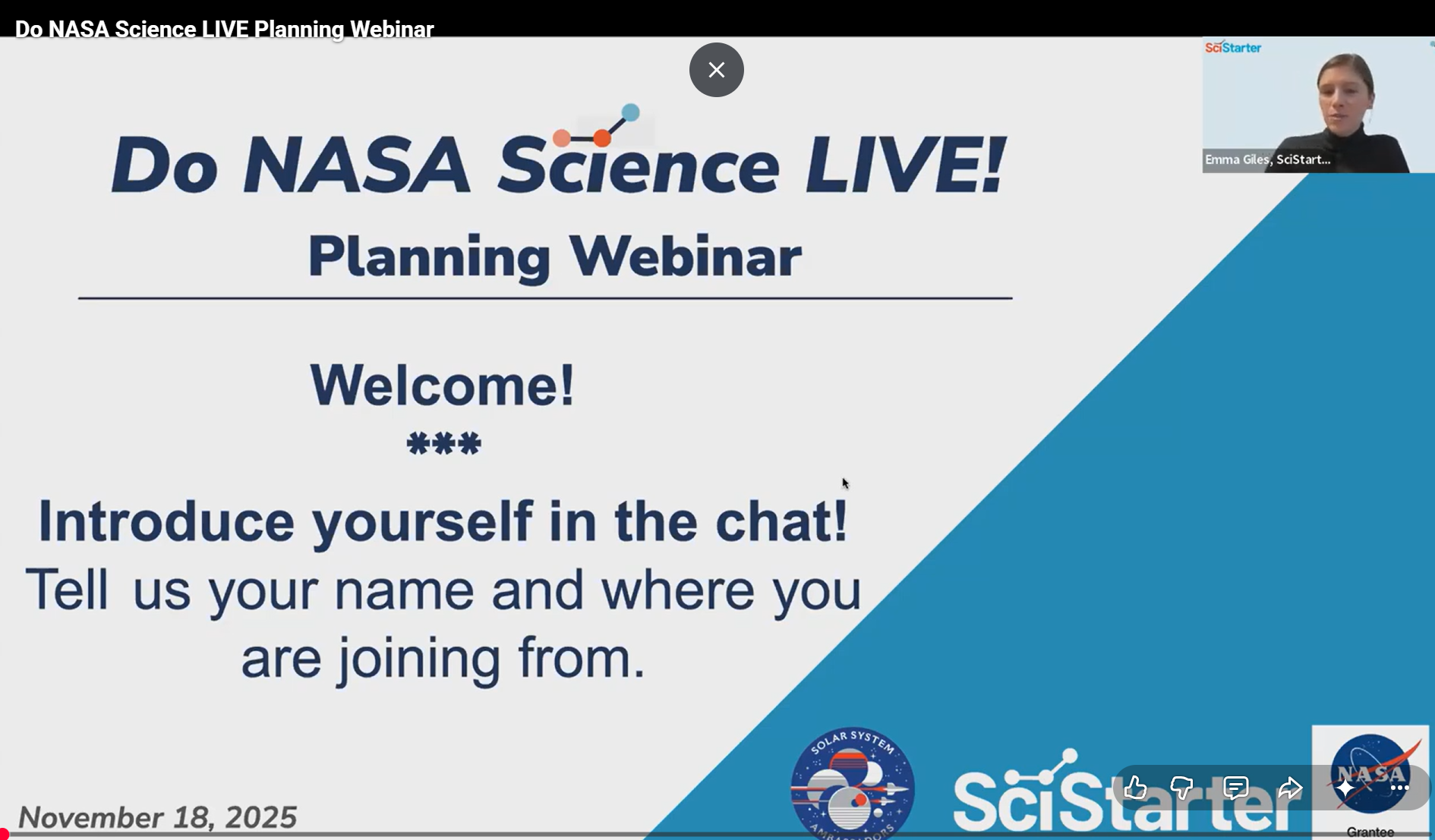
Do NASA Science LIVE! is a national series of fun, hands-on events that invite everyone—students, families, hobbyists, and lifelong learners—to help NASA do real science. Each session features a NASA project (like observing clouds, classifying space images, or listening for space soundscapes), a live Q&A with scientists, and simple activities you can do on your phone or laptop.
Learn how you can help run these events as on-site hosts & facilitators, online moderators, and provide technical and zoom chat support.

Frequently Asked Questions
U.S.-based individuals or organizations planning to host an in-person Acts of Science: Connected event may apply. Each applicant or organization may receive one $500 grant to support event hosting and promotion (no alcohol). Grants are awarded based on readiness, expected attendee reach, promotional plans, and geographic balance. Funding is not guaranteed. You can apply here.
Yes, but only lightly. The SciStarter team and project scientists will join via Zoom and run the event, including account setup. You’ll help ensure attendees are following along and assist with basic questions. Our team will monitor Zoom chat and Q&A.
Attendees should bring a device—computers are preferred, but mobile devices also work. As the host, you’ll need a screen and audio so attendees can see and hear the presenters.
No. Attendees do not need to register if they are watching your in-person livestream. Registration is only required if they join the Zoom event individually from home.
No prior setup is required. The SciStarter team will guide account setup at the start of the event and as needed. Printable instructions are also included in the event toolkit for each Do NASA Science LIVE! event.
Each event includes a toolkit with printable instructions and information about the featured project. We recommend printing materials for attendees and displaying the event poster at your library to help promote the event.
Thank you for your interest! You can help promote virtual participation by printing and displaying the Acts of Science: Connected poster at your library or organization. Share the poster and registration link with your community to encourage individuals to join the event online. Print and display this poster.
Promote NASA-supported citizen science projects anytime using our social media guidance.
Support Do NASA Science LIVE! Events
Welcome SciStarter Ambassadors and NASA Solar System Ambassadors! Ambassadors help communities participate in NASA citizen science by hosting, supporting, or moderating events. Your involvement is reportable as an official Ambassador event.
Upcoming Webinars and Professional Development Events
RECORDED EVENT
Zoom
Become a Facilitator for Do NASA Science LIVE!
The February 11, 2026 Do NASA Science LIVE! event will feature the project Dark Energy Explorers. Watch this recording to learn about the event series and how you can help connect more people to NASA citizen science—on February 11 and during future events.
Do NASA Science LIVE! is a virtual event series from SciStarter, supported by NASA.