
Return to Connected Events / Voice of Freedom
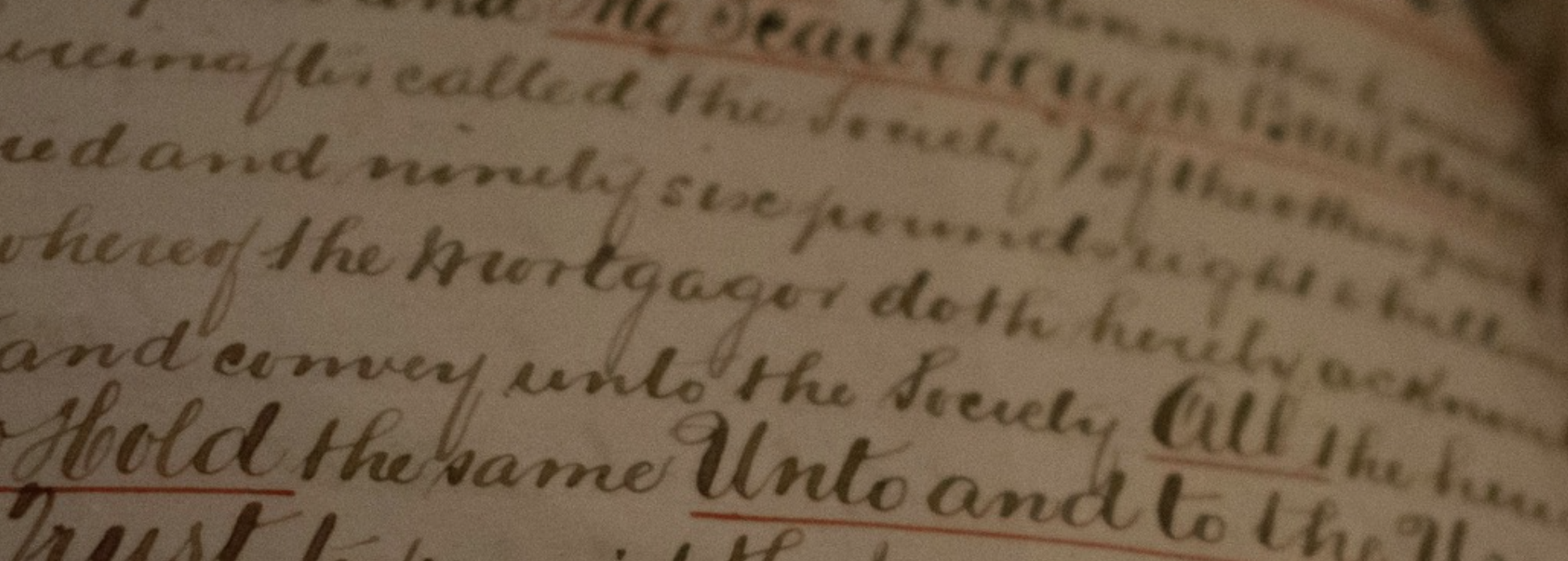
Voices of Freedom: Transcribing the Freedmen’s Bureau with the Smithsonian
Meet experts from the Smithsonian Institution on the Freedmen’s Bureau and learn how you can help preserve post-Civil War histories documenting formerly enslaved people’s transition to freedom.
Welcome hosts and facilitators!
We’re so glad you’re hosting an in-person gathering to stream the Acts of Science: Connected virtual event, Voices of Freedom: Transcribing the Freedmen’s Bureau with the Smithsonian featuring the citizen science platform: The Smithsonian Transcription Center.
LIVE Event
Two options on April 10, 2026:
2 PM ET
6 PM ET
Event Duration: 2 hours
As a host, you must register for this event to receive the Zoom link to join. Your guests do not need to register independently.
This is a signature event of Citizen Science Month 2026, and all activity counts towards a collective goal of 2.50 Million Acts of Science before the end of April. Report your Acts of Science, which includes event attendance and estimated transcriptions, to CitizenScienceMonth.org!
The below toolkit is designed to orient you to the project and help you prepare to host a successful in-person event in your space.
Welcome from the Project Leader
Project Team
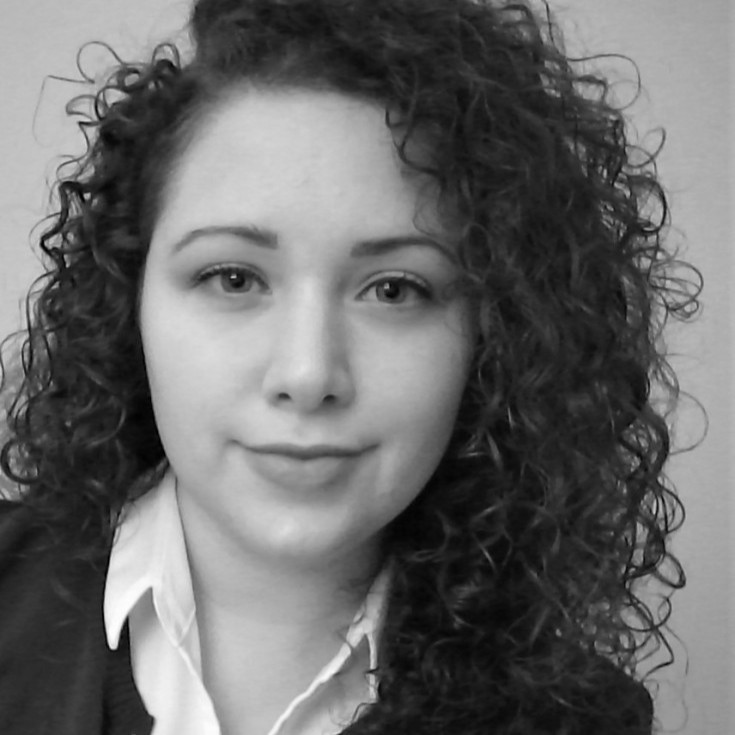
Emily Caine
Smithsonian Community Research Manager
Project Description
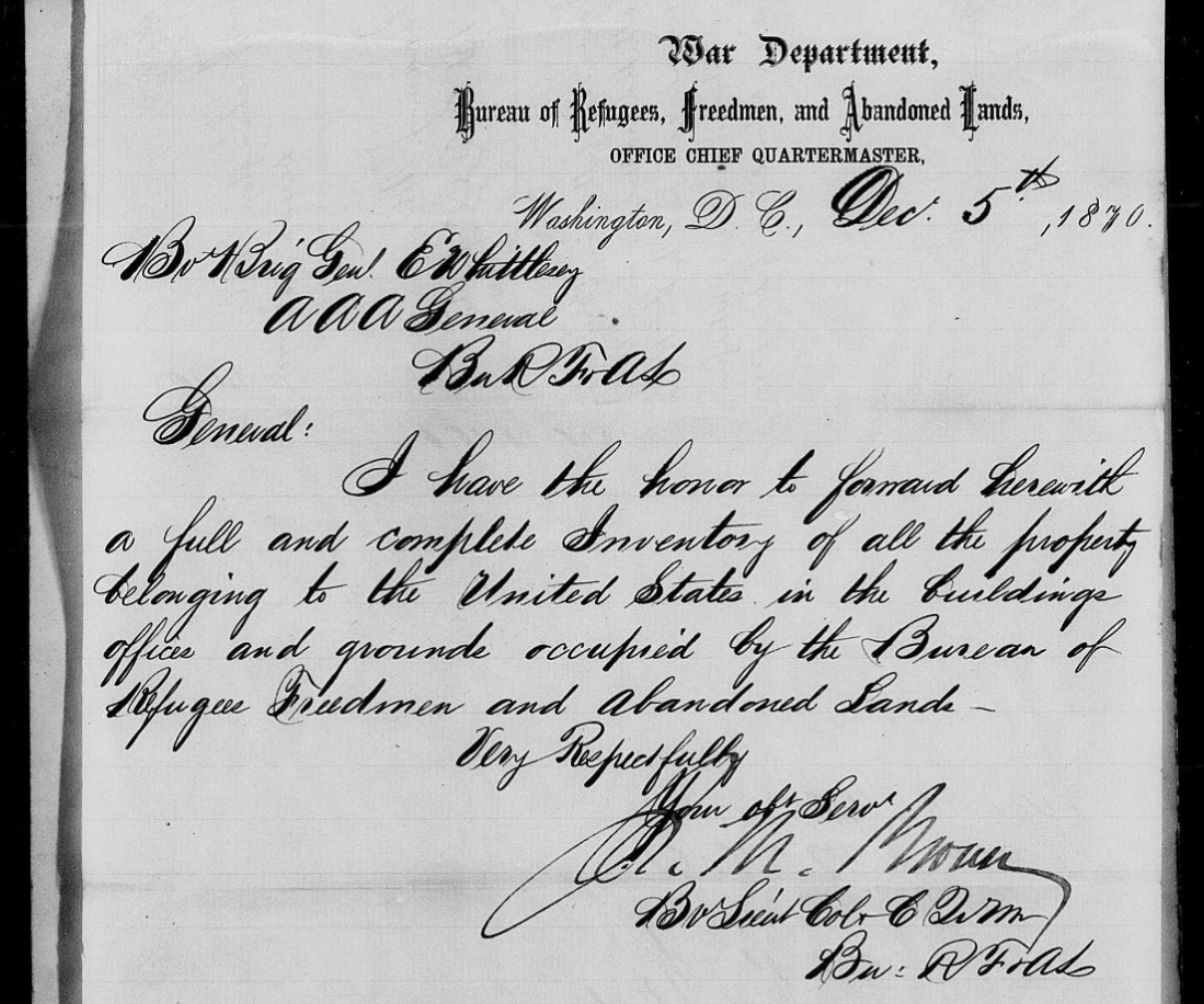
This project is a collaboration between the National Museum of African American History and Culture and the Smithsonian Transcription Center to transcribe more than 1.7 million image files from the Freedmen’s Bureau records. The Smithsonian Transcription Center is a platform where digital volunteers can transcribe and review transcriptions of Smithsonian collections. The Freedmen’s Bureau Transcription Project is the largest crowdsourcing initiative ever sponsored by the Smithsonian.
In this Acts of Science: Connected event, The Smithsonian experts will kick things off by explaining the research, goals, and historical importance of the Freedmen’s Bureau records. Your work helps preserve and unlock records documenting the lives of formerly enslaved individuals during Reconstruction—supporting research, education, and public access to America’s history. Transcribing these original documents will increase our understanding of the post-Civil War era and our knowledge of post-Emancipation family life.
You can learn how to participate in the project alongside your audience, or explore it ahead of time if you’d like. Learn more about the project here.
Technology Needed to Host This Event
This event is a livestream through Zoom. Participants gathered in-person at your site will watch and listen together live while joining the activity on their own devices (phones, tablets, or laptops).
To fully participate, please plan for the following:
- A computer (laptop or desktop)
- Used to log into Zoom and share the livestream with the group
- Reliable internet connection (wired is best, if available)
- Large display for group viewing
- A projector and screen or a large TV/monitor
- HDMI (or appropriate) cable to connect the computer to the display
- Sound for the room
- External speakers, TV speakers, or a projector with built-in audio
- Sounds should be loud enough for the whole room, test with audience upon the start of the event
- Participant Devices
- Notify your guests ahead of time if they need to bring their own device or if you will supply them
- Ensure your guests have access to the Wi-Fi at the host location
- Use our printable instructions to help your audience set up their accounts to participate before or during the event
Strongly Recommended: A stable internet connection is important for a smooth experience. If possible, avoid public or heavily restricted Wi-Fi. We recommend testing Zoom audio and video on your computer before the event to be sure everything looks and sounds good.
Facilitation Support
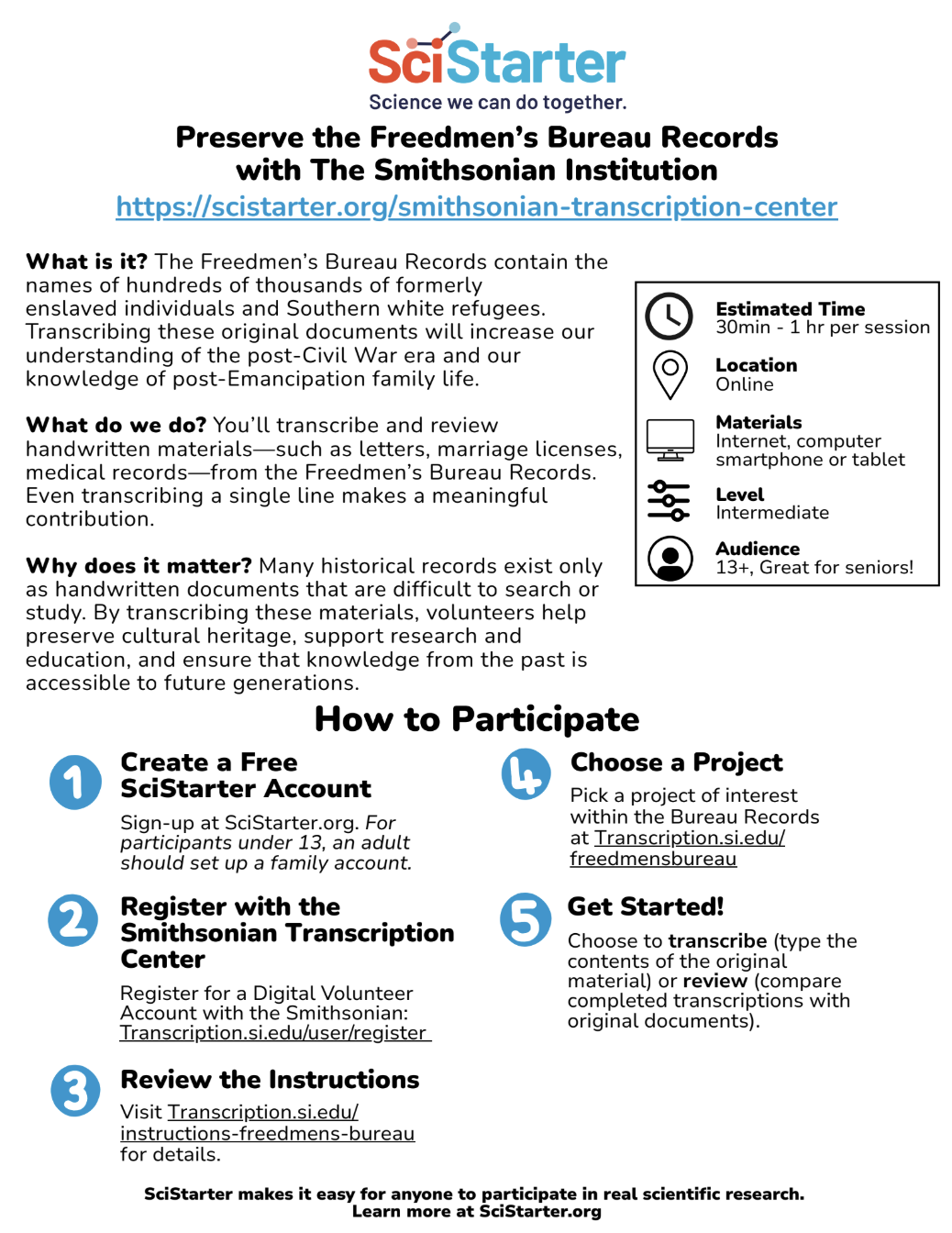
- Create a free SciStarter Account: SciStarter.org/login. For participants under 13, an adult should set up a family account.
- Register for a Digital Volunteer Account with the Smithsonian: Transcription.si.edu/user/register
- Review Instructions and Resources at Transcription.si.edu/instructions-freedmens-bureau
- Pick a project of interest within the Bureau Records at Transcription.si.edu/freedmensbureau
- Get started! You can choose to transcribe (type the contents of the original material) or review (compare completed transcriptions with original documents).
Tip: Print and distribute the instructions for your guests.
Reminder: You don’t need to be a subject matter expert or have all the answers.
Your role is to help participants feel welcome, supported, and engaged. The SciStarter team and the featured project’s scientist are available to help answer questions and provide accurate information when needed.
If someone shares misinformation
You can acknowledge the comment with something like, “There’s a lot of information out there, and it can be confusing,” or by simply thanking them for sharing. Then, in a friendly way, guide the conversation back to the activity.
If someone has a strong or disruptive opinion
Before the event, align with your event staff or partners on how to handle interruptions. If a strong opinion begins to disrupt the program, pause calmly, acknowledge the comment, and loop in staff so the group can stay focused and everyone can participate.
If you’re asked a question you can’t answer
It’s perfectly fine to say, “I’m not sure, but I can help find out.” For questions about the project’s science or data procedures, submit the question to the project’s Q&A or support channel so the right experts can respond.
If you notice obviously erroneous data being submitted
Remember that data quality is not your responsibility – each project has systems in place to weed out less than perfect contributions. If you suspect the error is genuine, encourage the participant to revisit the training materials or Field Guide. If you suspect the error is intentional, gently remind the participant that their work is being submitted to a team of real people, who often interact with participants. This is a place to put your best effort forward.
The Smithsonian Transcription Center and the National Museum of African American History and Culture have created additional resources to support engagement in this project. You can find them below:
Promotional Resources
Use these resources to promote your in-person event. See all promotional tools in this google folder.
Posters
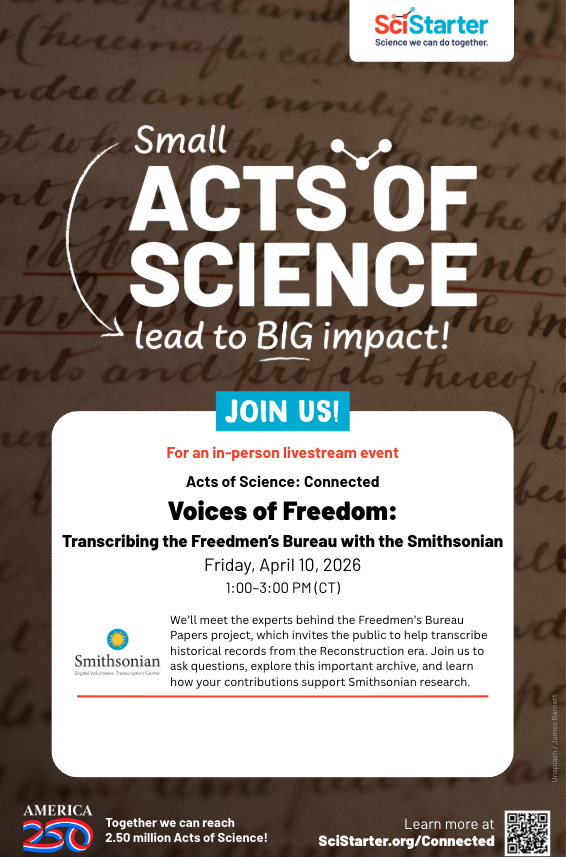
Available in multiple time zones.
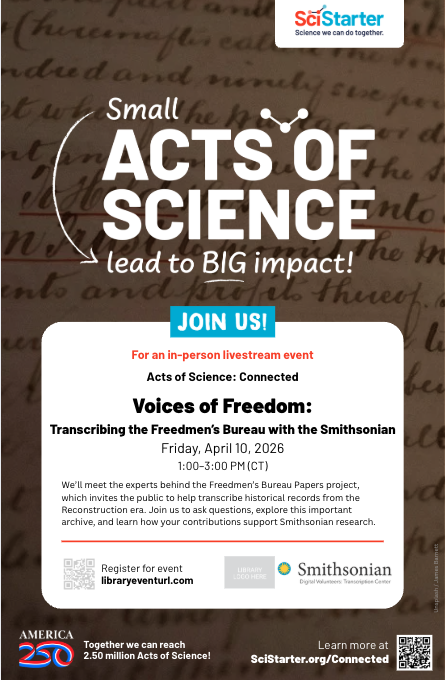
Click here for Canva instructions.
Social Media and Graphics

Keep It Going
Print and distribute this flyer so your guests can continue participating in this project from home.
Thank You!
Thank you for facilitating this event and supporting the transcription of the Freedmen’s Bureau Records. With your help, each transcription gets us closer to a fully searchable archive that gives people around the world access to Freedmen’s Bureau records and a deeper understanding of life after emancipation.
By guiding participants through this project, you’re helping scientists speed up the process of discovery, while giving your community a chance to contribute to real, ongoing research. Your time, curiosity, and leadership make these discoveries possible.
We’re grateful for your partnership and for the role you play in accelerating this process—one transcription at a time.
Please take a moment to complete our brief post-event survey. Your response should take less than 5 minutes.

All activity in April, Citizen Science Month 2026, counts towards a collective goal of 2.50 Million Acts of Science. Report your Acts of Science, which includes event attendance and each estimated line of transcriptions, to CitizenScienceMonth.org!