Host Acts of Science: Connected
One project. Two hours. Collective impact on science.
Bring people together in your space, or invite them to join from wherever they are, to participate live, connect with scientists, and contribute to real research during Citizen Science Month (April).

The details below reflect the 2026 event lineup. Information about the April 2027 lineup will be available in Fall 2026.
You don’t need to host an event to take part. Find a local gathering or participate live from wherever you are!
How Hosting Works
We’ve got you covered with everything you need:
- Choose an Acts of Science: Connected session in April and promote your event with ready-made, editable posters and promotion templates.
- Gather your community (library, museum, school, or community space).
- Livestream the session on Zoom (You must register in advance).
- Participate in the featured project together, live.
💡You don’t need to be an expert! Learn alongside your audience. These events include setup time and Q&A, allowing you to learn about the featured project with your audience.
What Is Acts of Science: Connected?
Acts of Science: Connected is a series of live, interactive virtual events held during Citizen Science Month. Each event spotlights one citizen science project and the scientist leading the research, inviting participants to learn about the project and take part together, in real time.
When you host or support an event, your community doesn’t just watch—they actively contribute to science alongside people everywhere.
Acts of Science: Connected is produced by SciStarter in collaboration with Arizona State University as part of Citizen Science Month.

Who Is This For?
Acts of Science: Connected is designed for libraries, educators, museums, community organizations, and Ambassadors who want to connect people to citizen science.
You don’t need to be a scientist. You don’t need to host every event. And you don’t need to do this alone. SciStarter produces the events and provides guides and support. You provide the space, invite the people, livestream the event, and promote participation in the featured project.
What is Citizen Science Month?
Citizen Science Month is a global celebration every April that invites everyone, everywhere to participate in real scientific research. Throughout the month, thousands of citizen science projects and hundreds of events make it easy for people everywhere to take part in science together.
The shared goal of Citizen Science Month is 2.50 Million Acts of Science in one month in celebration of America’s 250th birthday. Learn more at CitizenScienceMonth.org
Acts of Science: Connected is designed for libraries, educators, museums, community organizations, and Ambassadors who want to connect people to citizen science.
You don’t need to be a scientist. You don’t need to host every event. And you don’t need to do this alone. SciStarter produces the events and provides guides and support. You provide the space, invite the people, livestream the event, and promote participation in the featured project.
Citizen Science Month is a global celebration every April that invites everyone, everywhere to participate in real scientific research. Throughout the month, thousands of citizen science projects and hundreds of events make it easy for people everywhere to take part in science together.
The shared goal of Citizen Science Month is 2.5 million Acts of Science in one month in celebration of America’s 250th birthday. Learn more at CitizenScienceMonth.org
Flexible Participation
You can host one event or many. Host in your space.
Invite people to join from wherever they are. Or do both.
One project. Many gatherings. Collective impact on science.
Let’s bring science to your community, together.
Can’t host an in-person Acts of Science: Connected event?
No problem! Print and display our poster so people can join from home. Find more ways to promote Citizen Science Month here.
Who can host and facilitate?
Libraries, Educators & Community Hosts
- Create a shared, hands-on science experience
- Engage patrons, visitors or students in real research
- Connect directly with scientists during live Q&A
- Contribute to the 2.50 Million Acts of Science goal
Ambassadors
- Host small gatherings
- Co-host with a library or community partner
- Activate your network (email or social media)
- Support SciStarter’s virtual events by moderating chat, replying to social media comments, and participating live
Why Host?
- Turn participation into a social moment
- Make science accessible and social
- Help your community contribute to real research
- Be part of a global effort during Citizen Science Month to accelerate research!
What SciStarter Provides
- Professional Development Trainings
- Guided participation instructions
- Printable facilitation resources
- Built-in setup and learning time
- Live virtual event
- Promotional support
- Mini Grants − Applications are closed as of March 1.
Acts of Science: Connected Events
Note: There are five weekly Acts of Science: Connected programs, each offered multiple times to accommodate different time zones.
Your guests do not need special equipment or experiences. Just a computer, tablet or smartphone…and curiosity!
PAST EVENTS
APR 29

Zoom
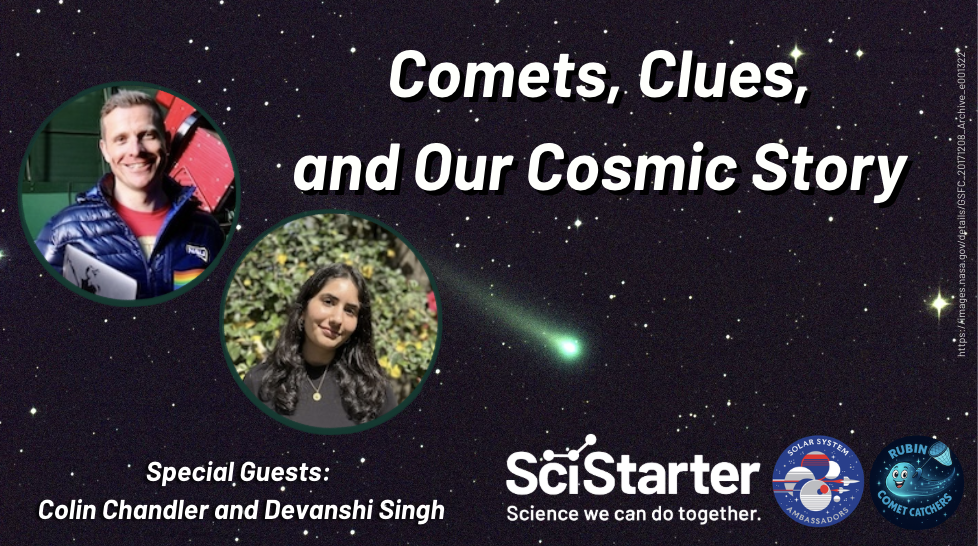
Comets, Clues, and Our Cosmic Story, a Do NASA Science LIVE! Event
Featured Project: Rubin Comet Catchers
Search for comets in real Vera C. Rubin Observatory images and help scientists find ansewrs to the mysteries of our universe. View Event Toolkit.
APR 22
Zoom
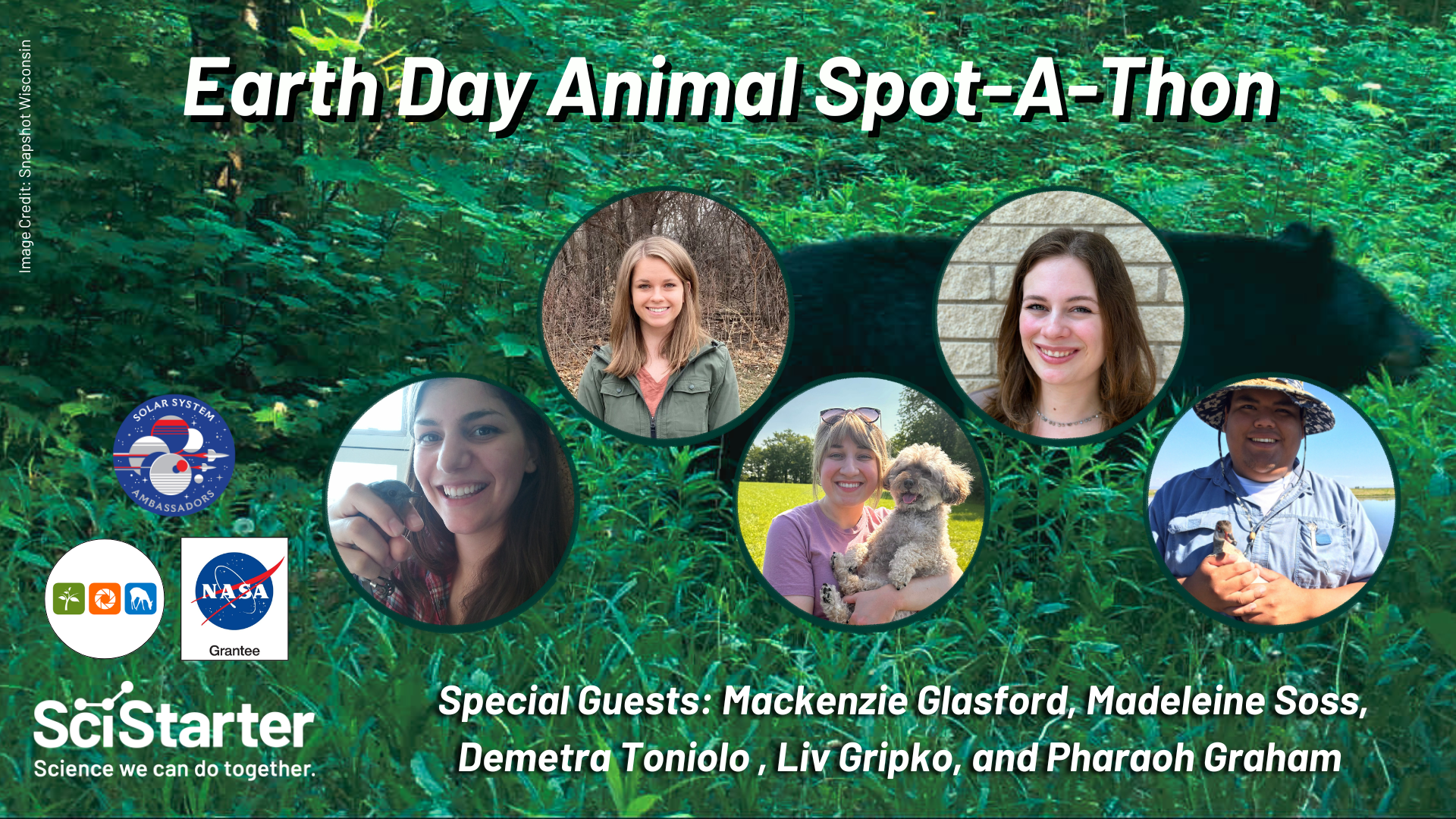
Earth Day Animal Spot-a-thon, A Do NASA Science LIVE! Event
Featured Project: Snapshot Wisconsin
Identify wildlife in trail camera images to improve wildlife management decisions. View Event Toolkit.
APR 16
Zoom
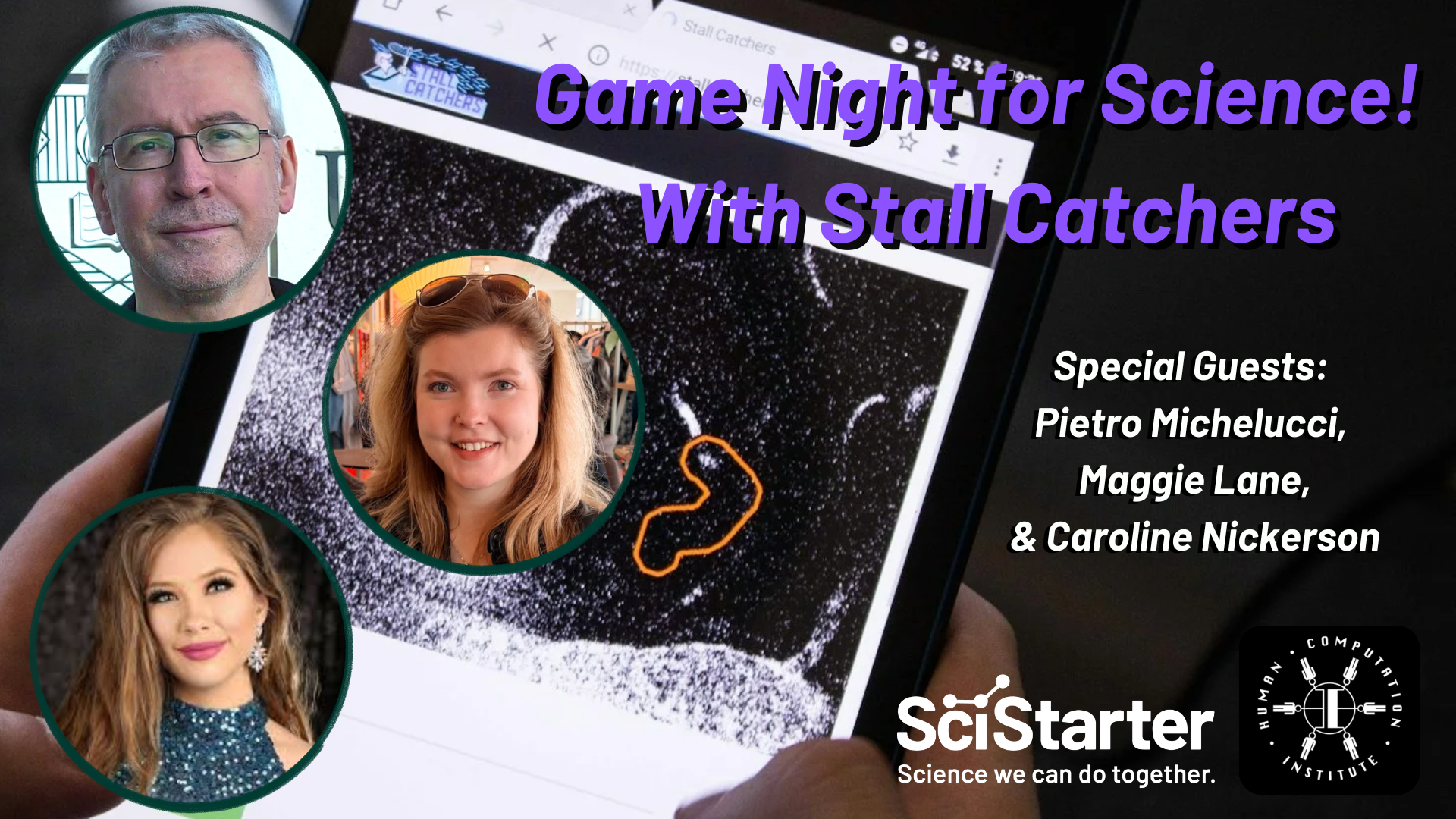
Game Night for Science: Play Stall Catchers Online
Featured Project: Stall Catchers
Help accelerate research on Alzheimer’s disease by playing a video game. View Event Toolkit.
APR 10
Zoom
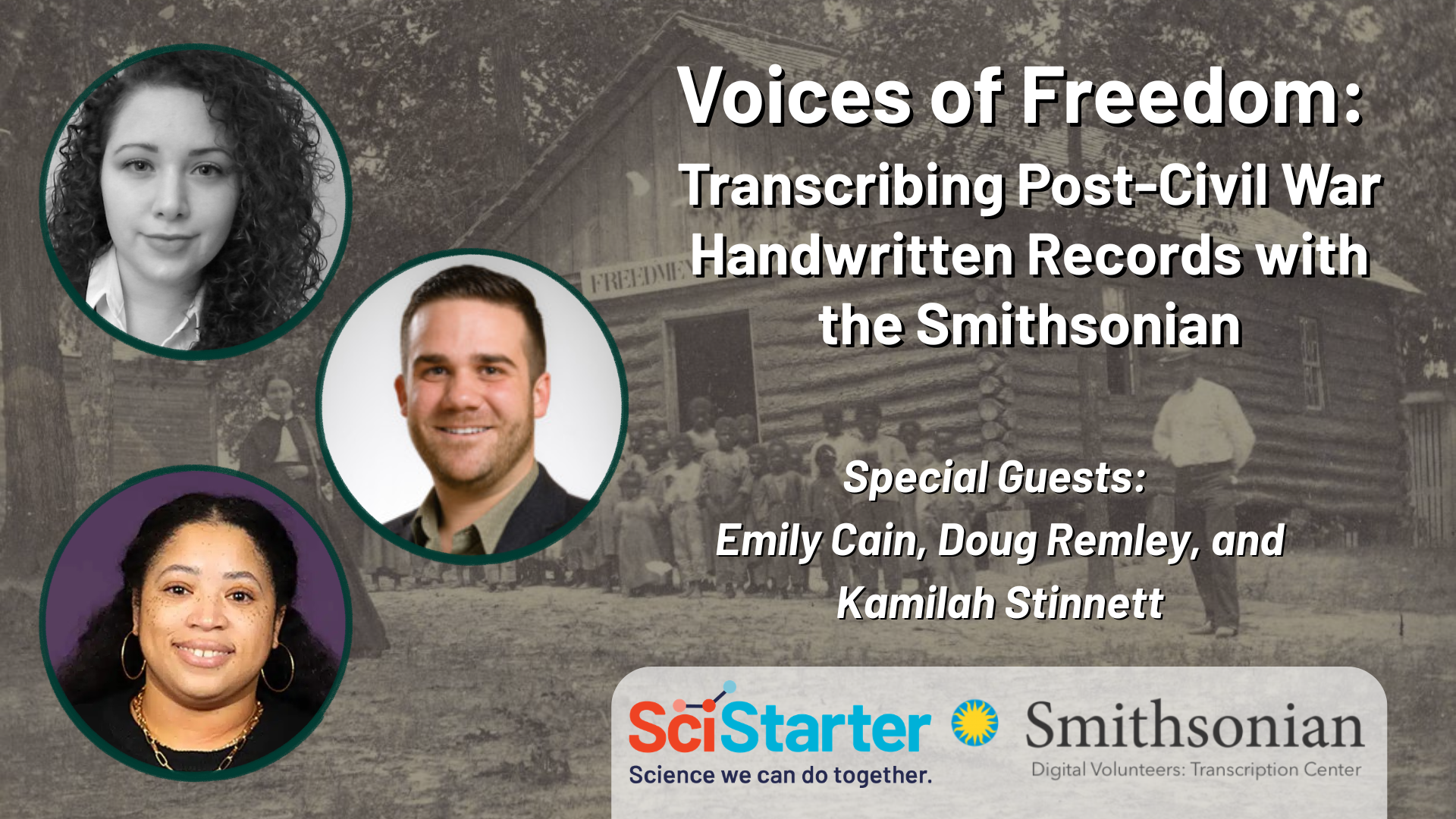
Voices of Freedom: Transcribing Post-Civil War Records
Featured Project: Smithsonian Transcription Center
Help preserve and unlock records documenting the lives of formerly enslaved individuals during American Reconstruction—supporting research, education, and public access to America’s history. View Event Toolkit.
APR 2
Zoom
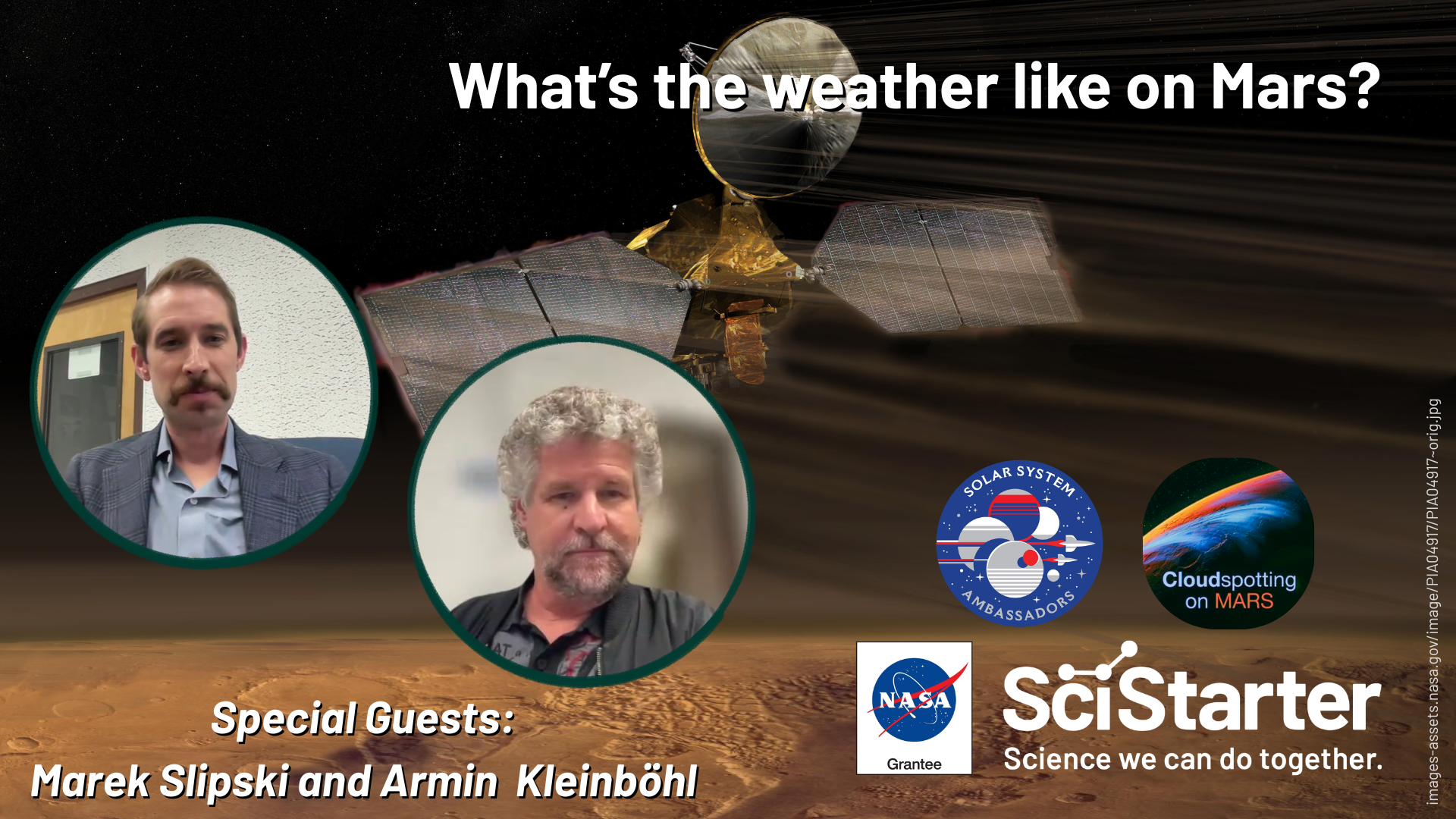
What’s the weather like on Mars? Do NASA Science LIVE!
Featured Project: Cloudspotting on Mars
Learn how to explore NASA satellite images and help spot clouds in the Martian atmosphere. View Event Toolkit.
APR 29
Offered at:
6 PM ET
9 PM ET
Zoom

Comets, Clues, and Our Cosmic Story, Do NASA Science LIVE!
During the livestream, your in-person guests will look at real space images, learn how to find active comets, and help scientists study how planets are made. View Event Toolkit.
Your guide to staying on track during the event: Available April 29
APR 22
Offered at:
11 AM ET
6 PM ET
Zoom
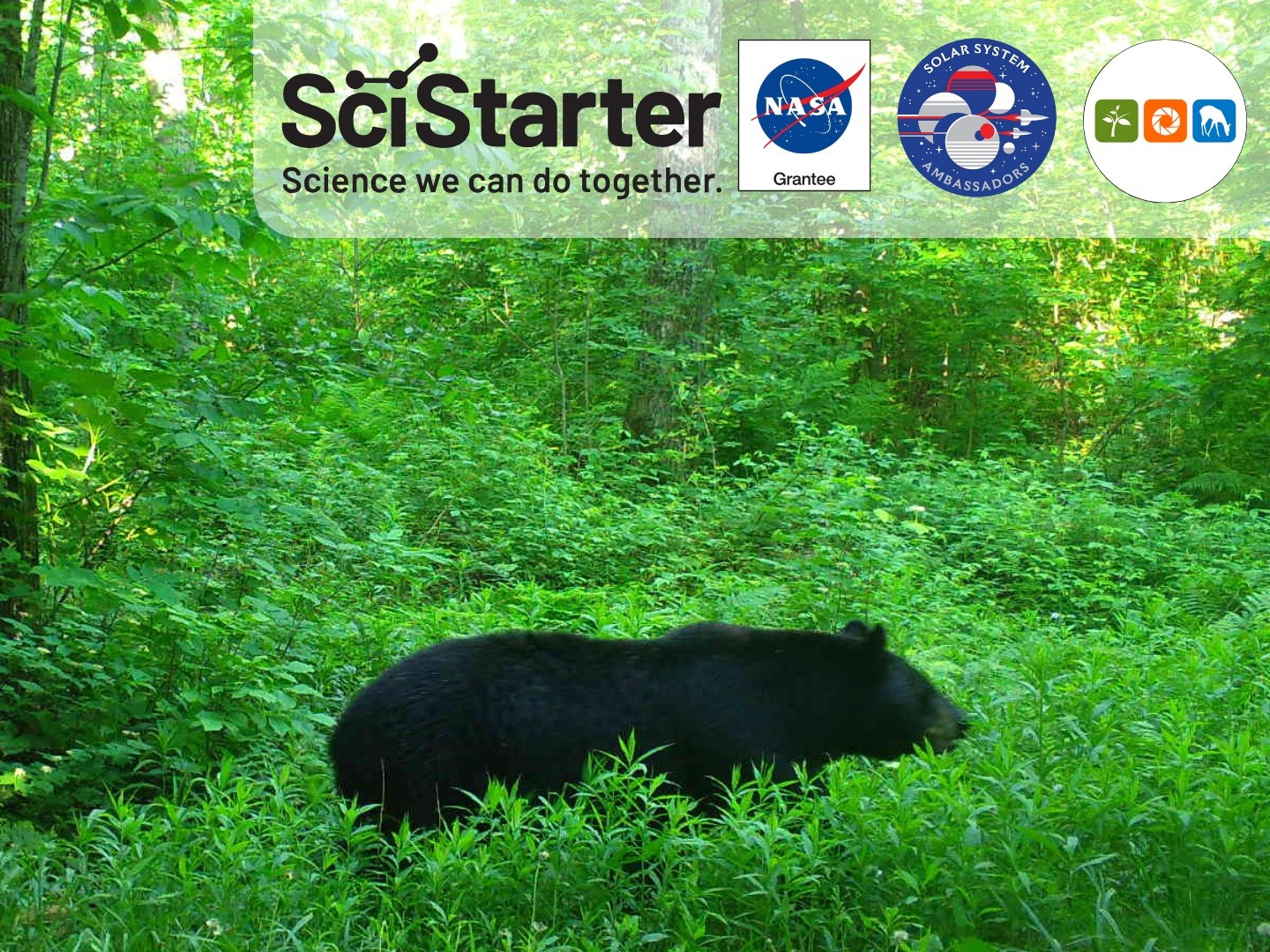
Earth Day Animal Spot-A-Thon,
Do NASA Science LIVE!
During the livestream, your in-person guests will learn how to identify animals in trail camera images to support wildlife conservation research. View Event Toolkit.
APR 29
Offered at:
6 PM ET
9 PM ET
Zoom
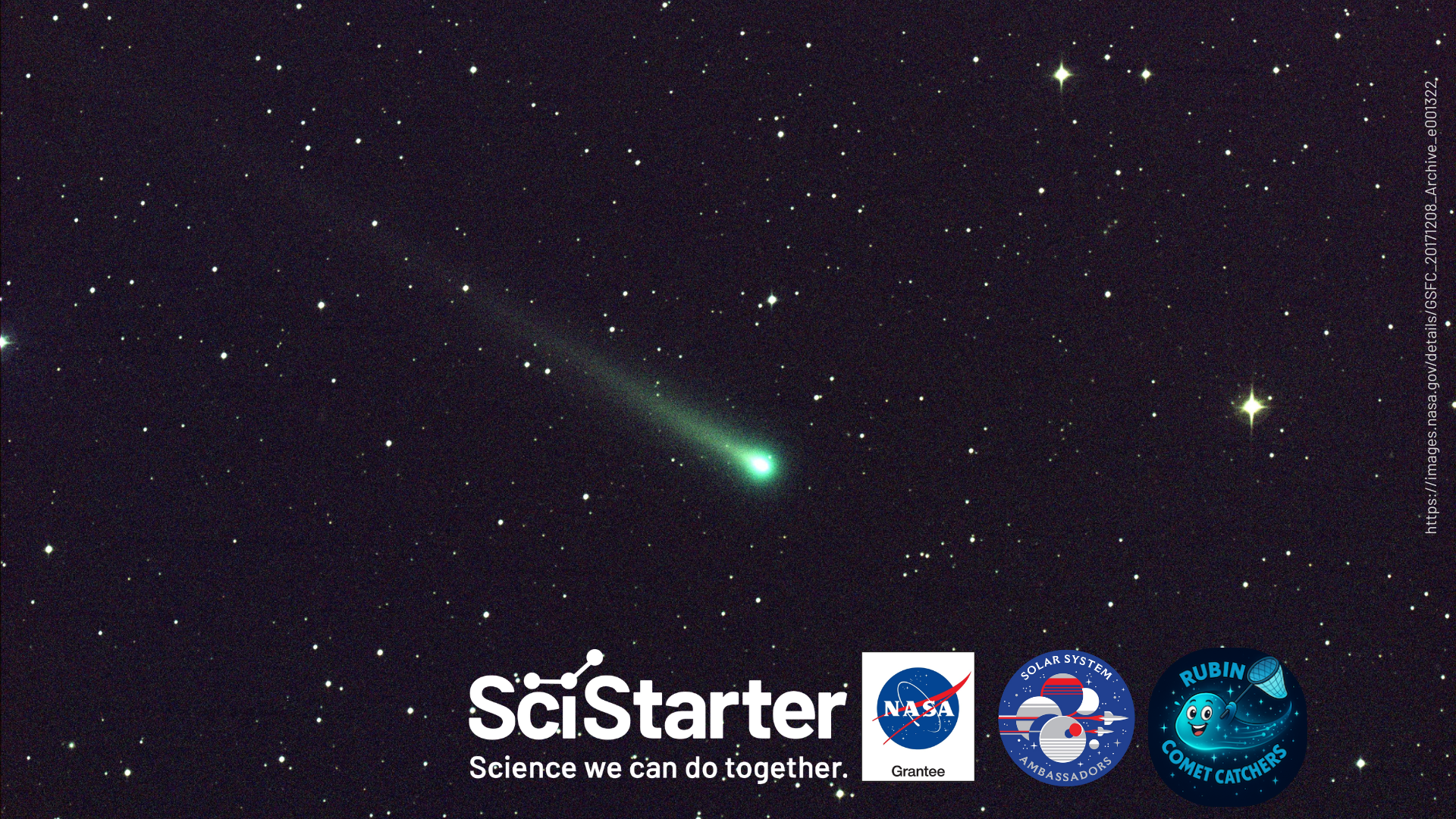
Comets, Clues, and Our Cosmic Story, Do NASA Science LIVE!
During the livestream, your in-person guests will look at real space images, learn how to find active comets, and help scientists study how planets are made. View Event Toolkit.
APR 29
Offered at:
6 PM ET
9 PM ET
Zoom
Comets, Clues, and Our Cosmic Story, Do NASA Science LIVE!
During the livestream, your in-person guests will look at real space images, learn how to find active comets, and help scientists study how planets are made. View Event Toolkit.
APR 2
Offered at:
2 PM ET
9 PM ET
Zoom
What’s the weather like on Mars? Do NASA Science LIVE!
During the livestream, your in-person guests will learn how to explore NASA satellite images and help spot clouds in the Martian atmosphere. View Event Toolkit.
APR 10
Offered at:
2 PM ET
6 PM ET
Zoom
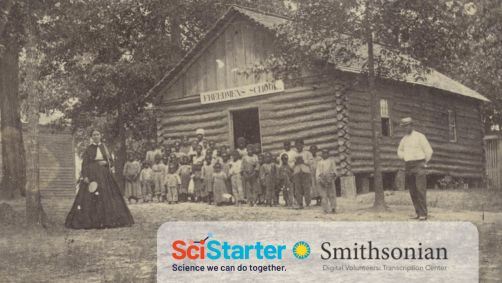
Voices of Freedom: Transcribing Post-Civil War Handwritten Records
During the livestream, your in-person guests will transcribe historical documents, helping to reveal and preserve American history with the Smithsonian. View Event Toolkit.
APR 16
Offered at:
2 PM ET
6 PM ET
Zoom
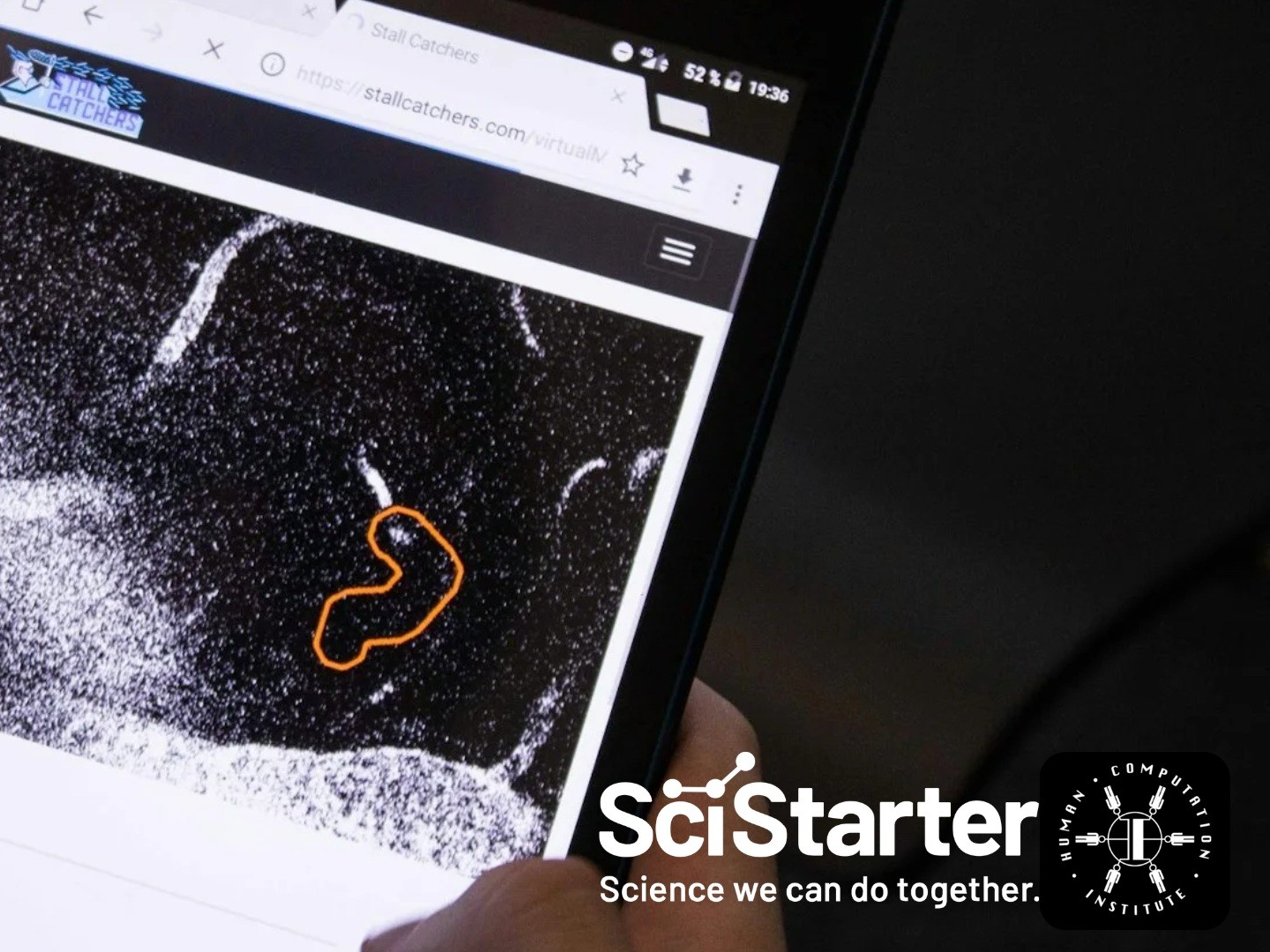
Game Night for Science: Play Stall Catchers Online
During the livestream, your in-person guests will receive expert instruction to identify blood clots in images to Alzheimer’s research. View Event Toolkit.
APR 22
Offered at:
11 AM ET
6 PM ET
Zoom
Earth Day Animal Spot-A-Thon,
Do NASA Science LIVE!
During the livestream, your in-person guests will learn how to identify animals in trail camera images to support wildlife conservation research. View Event Toolkit.
APR 29
Offered at:
6 PM ET
9 PM ET
Zoom
Comets, Clues, and Our Cosmic Story, Do NASA Science LIVE!
During the livestream, your in-person guests will look at real space images, learn how to find active comets, and help scientists study how planets are made. View Event Toolkit.
Acts of Science: Connected Event Resources
Before You Begin (Host Prep)
- Choose one or more of the events to host a livestream (See Event Dates and Times) and register for the Zoom call.
- Reserve a space with a projector/large screen, speakers, stable internet, and a Zoom-capable computer. If you are not providing computers or other Wi-Fi-enabled devices, let your guests know to bring them in order to participate in the featured project in real time.
- Register your event at SciStarter.org/add-event and mark Event Type as “Acts of Science Connected” in the form.
- Watch an Acts of Science: Connected Info Session (embedded below) hosted by the SciStarter Citizen and Community Science Library Network to orient yourself further.
Promote Your Event & Prepare Your Space – Event Toolkits
- Use printable and customizable posters designed to promote all five Acts of Science: Connected events, and Citizen Science Month.
- Find event-specific resources:
- April 2, 2026 – What’s the Weather Like on Mars? Event Toolkit
- April 10, 2026 – Voices of Freedom: Transcribing the Freedmen’s Bureau with the Smithsonian Event Toolkit
- April 16, 2026 – Game Night for Science: Play Stall Catchers Online Event Toolkit
- April 22, 2026 – Earth Day Animal Spot-A-Thon Event Toolkit
- April 29, 2026 – Comets, Clues, and Our Cosmic Story Event Toolkit
- April 2, 2026 – What’s the Weather Like on Mars? Event Toolkit
Live Flow (2-Hour Zoom Event)
See our Satellite Host Mini Guide here to help you visualize what these events look like.
- 00:00–00:15 — Arrivals & Setup (15 min)
Welcome your guests! Encourage participants to sign up for SciStarter.org. Open the Zoom link on the large screen with audio enabled. During this setup time, you will be able to run a quick ice-breaker (e.g., “Why does this research matter to you?”), and announce yourself as a participating library/school/community-based organization. - 00:15–00:20 — Orientation (5 min)
SciStarter will outline the agenda, how the session works, and how Acts of Science will be counted. - 00:20–00:22 — Meet the Scientist (2 min)
Project scientist introduces the project. - 00:22–00:42 — Live Demonstration (20 minutes)
The moderator and project leader demonstrate how to participate in the project (guided tasks on screen + individual participation). The scientist and facilitators take questions and provide tips throughout. - 00:42–01:42 — All Hands On Deck (60 min)
Everyone engages in the project together! We spend the hour with live demonstrations, interviews with the project leader/team (research goals, why volunteers are crucial, and how today’s participation helps) and super volunteer shout outs. - 01:42–02:00 — Wrap-Up (18 min)
To close us out, the project scientist will explain how volunteer data will be used and what its impact will be. We will review ways to stay involved. Library distributes takeaways (flyer or poster with QR) so patrons can continue at home. Host completes the brief survey to tally Acts and provide event feedback.
After The Event (Takeaways)
- Distribute a survey (coming soon!)
- Distribute the take-home flyer to encourage continued participation in the featured project
- April 2, 2026 – What’s the Weather Like on Mars? Flyer
- April 10, 2026 – Voices of Freedom: Transcribing the Freedmen’s Bureau with the Smithsonian Flyer
- April 16, 2026 – Game Night for Science: Play Stall Catchers Online Flyer
- April 22, 2026 – Earth Day Animal Spot-A-Thon Flyer
- April 29, 2026 – Comets, Clues, and Our Cosmic Story Flyer
- April 2, 2026 – What’s the Weather Like on Mars? Flyer
Find more printable take home flyers to encourage continued participation in a suite of curated projects here.

Did you know?
SciStarter provides year-long event and programming resources for facilitators, including libraries & museums, Ambassadors, and educators. You can also find additional Citizen Science Month (April) resources here.
Frequently Asked Questions
That’s okay. Zoom in at the start time to learn about the project and get started, then stay as long as you can.
You can continue participating anytime between April 1–30 and still be part of 2.50 Million Acts of Science.
Yes, but only lightly. The SciStarter team and project scientists will join via Zoom and run the event, including account setup. You’ll help ensure attendees are following along and assist with basic questions. Our team will monitor Zoom chat and Q&A.
Attendees should bring a device—computers are preferred, but mobile devices also work. As the host, you’ll need a screen and audio so attendees can see and hear the presenters.
No. Attendees do not need to register if they are watching your in-person livestream. Registration is only required if they join the Zoom event individually from home.
No prior setup is required. The SciStarter team will guide account setup at the start of the event and as needed. Printable instructions are also included in the event toolkit for each Acts of Science: Connected event.
Each event includes a toolkit with printable instructions and information about the featured project. We recommend printing materials for attendees and displaying the event poster at your library to help promote the event.
Thank you for your interest! You can help promote virtual participation by printing and displaying the Acts of Science: Connected poster at your library or organization. Share the poster and registration link with your community to encourage individuals to join the event online. Print and display this poster.