PARTNER
Do NASA Science LIVE
A monthly virtual event series presented by SciStarter in partnership with NASA Citizen Science.
Do NASA Science LIVE
You can participate in NASA-supported citizen science projects anytime on your own – or you can join us and a scientist LIVE to participate in NASA science together for this monthly event series!
Explore real NASA Science. Meet the Scientists. Do NASA Science Together!
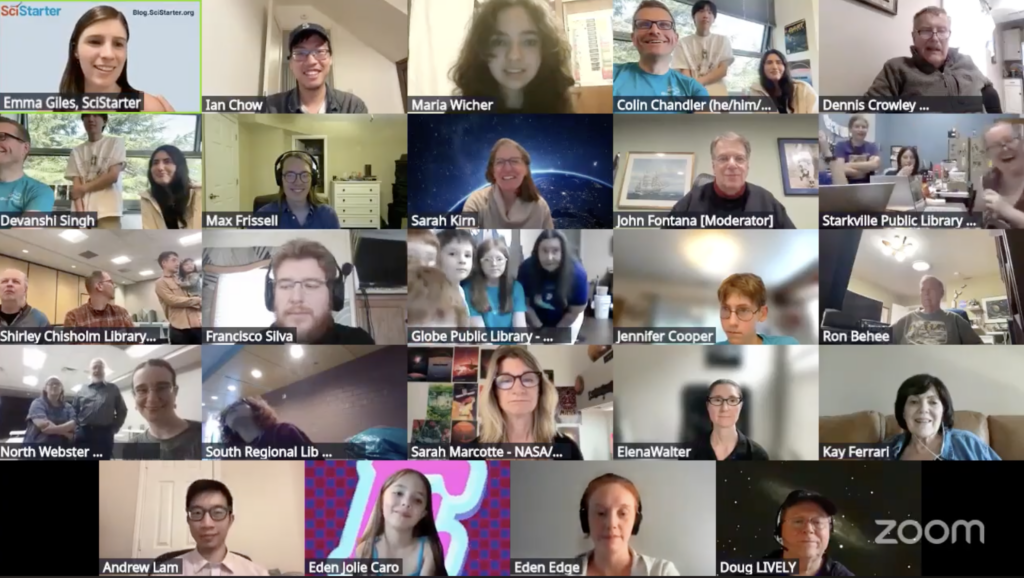
SciStarter is partnering with NASA to present a series of free virtual events featuring NASA citizen science projects. During these events you’ll meet the project scientists, learn about the research, and receive step-by-step guidance as you make observations and contribute to research in real time. This program aims to engage thousands of people in NASA citizen science projects to help accelerate research, together.
Everyone is welcome! No specialized experience required. Our events are beginner- and family-friendly, and equally enjoyable for returning volunteers. Planned activities are interactive and work on standard devices including computers, tablets, and smartphones.
Third Thursdays, Two Sessions
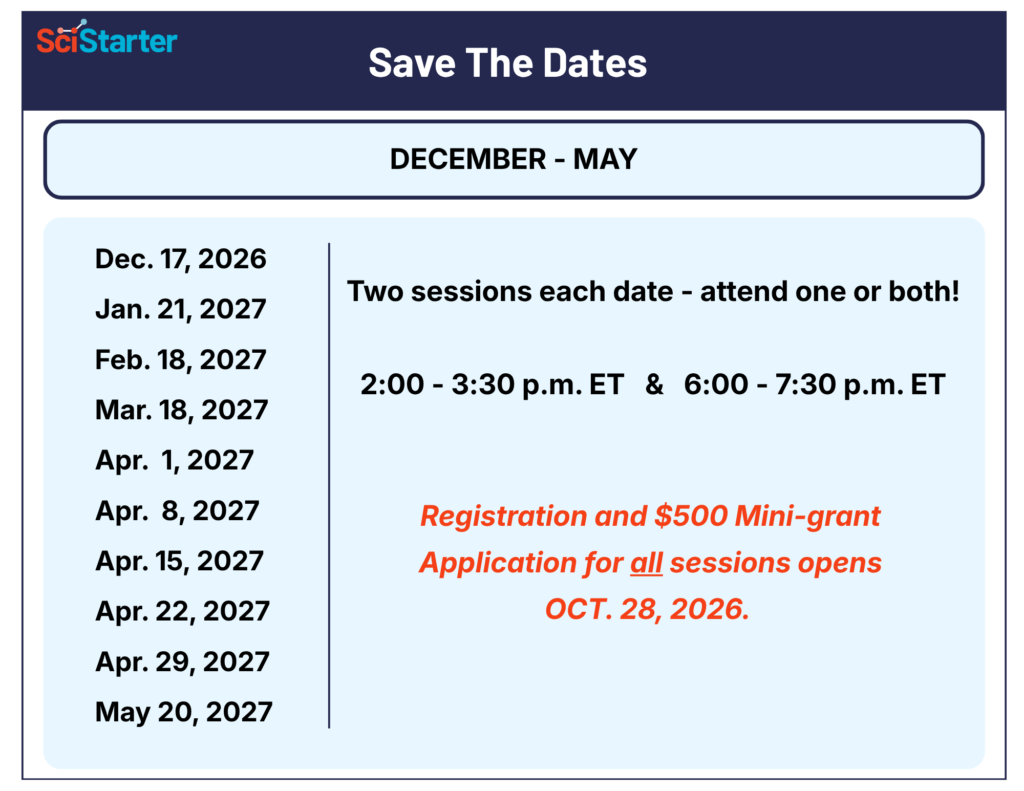
Events held third Thursday of most months from 2:00 – 3:30 p.m. & 6:00 – 7:30 p.m. ET. Attend one or both sessions.
Event Support Available
Promotional materials and facilitator resources provided. $500 mini-grants available for hosting organizations.
Three Ways to Participate
- Attend virtually from anywhere. Use your personal devices to join our online event and participate in activities from any location.
- Attend a local livestream event. Participate in community with others (search feature coming soon).
- Host a livestream event. Amplify your organization’s impact – bring your community together by hosting an in-person gathering and livestreaming of a Do NASA Science LIVE event. For each event, we supply a free Event Toolkit with materials for promotion and facilitation for all hosts. Eligible hosts can also apply to receive a $500 mini-grant for event support. Learn more in the Host An Event tab below.
Upcoming Do NASA Science LIVE Events
NOV 19
4:00 – 5:30 p.m. ET

Zoom
Help AI See Space Better
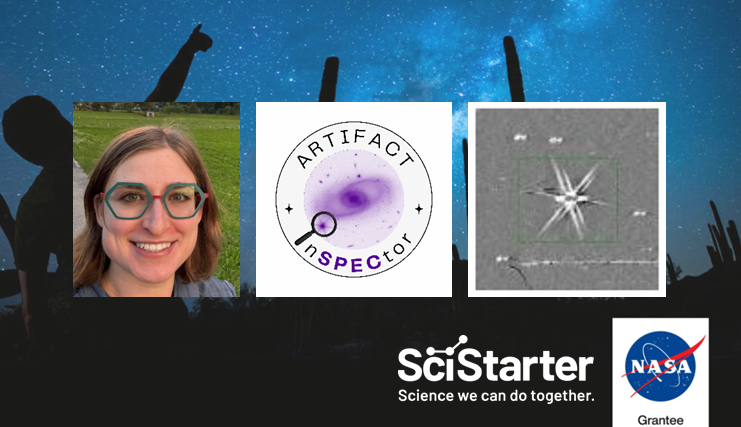
Featured Project: Artifact InSPECtor
Meet astrophysicist Dr. Aimee Schechter and help advance real NASA research from your own device! In this free virtual event, you’ll look at telescope images and help teach AI to tell real objects in space from glitches and smudges (“artifacts”) that don’t belong. Dr. Schechter and the SciStarter team will guide you step-by-step, so no experience is needed. Participate from a computer (recommended), tablet, or smartphone.
Register below as an individual participant or hosting organization.
NOV 19
4:00 – 5:30 p.m. ET
Help AI See Space Better with project Artifact InSPECtor

Meet astrophysicist Dr. Aimee Schechter! Together, we’ll look at telescope images and help teach AI to tell the difference between real objects in space and artifacts that don’t belong.
Attend virtually from any location
- Pick an Event
View our Event Schedule and choose an event with a topic that interests you. Each event features one of many NASA citizen science projects and a short description. If an event offers two sessions, choose the time that works best for you when you register (or attend both!) - Register on Zoom
Click the Register button on the event listing and fill out the form to receive a Zoom link and invitation. Registration is required when you join individually with a personal device. - Get Your Device Ready
Plan to join using a reliable internet connection. Using a computer works best so that you have the option to open two browser windows at one time – one window to watch the livestream and one window to click through the project and participate on your own. However, tablets and phones also work and shouldn’t limit your participation. You’ll still be able to engage with the scientist, chat in the Q&A, and follow along with project participation. - Join the Live Event
Join the live event at the start time. Follow the prompts from the SciStarter team and project scientist, ask questions in the Zoom chat or Q&A, and submit your classifications or observations in real time. No prior experience is needed – we’ll guide you the whole way.
Optional, but recommended: If you have SciStarter and Zooniverse Accounts, sign in to those when the event starts so that your observations are linked directly to profile! If you don’t have a free account but would like to create one, join SciStarter and follow these instructions to create and link to a free Zooniverse account. - Stay Involved After the Event
Revisit the project at any time after the event to keep contributing at your own pace. You can explore more NASA citizen science projects to contribute to below, or register for more upcoming live events! If you would like to keep learning about citizen science and strengthen your impact as a citizen scientist, complete our free self-guided Foundations of Citizen Science Training.
Host a Do NASA Science LIVE Event
Bring your community together. Accelerate contributions to science.
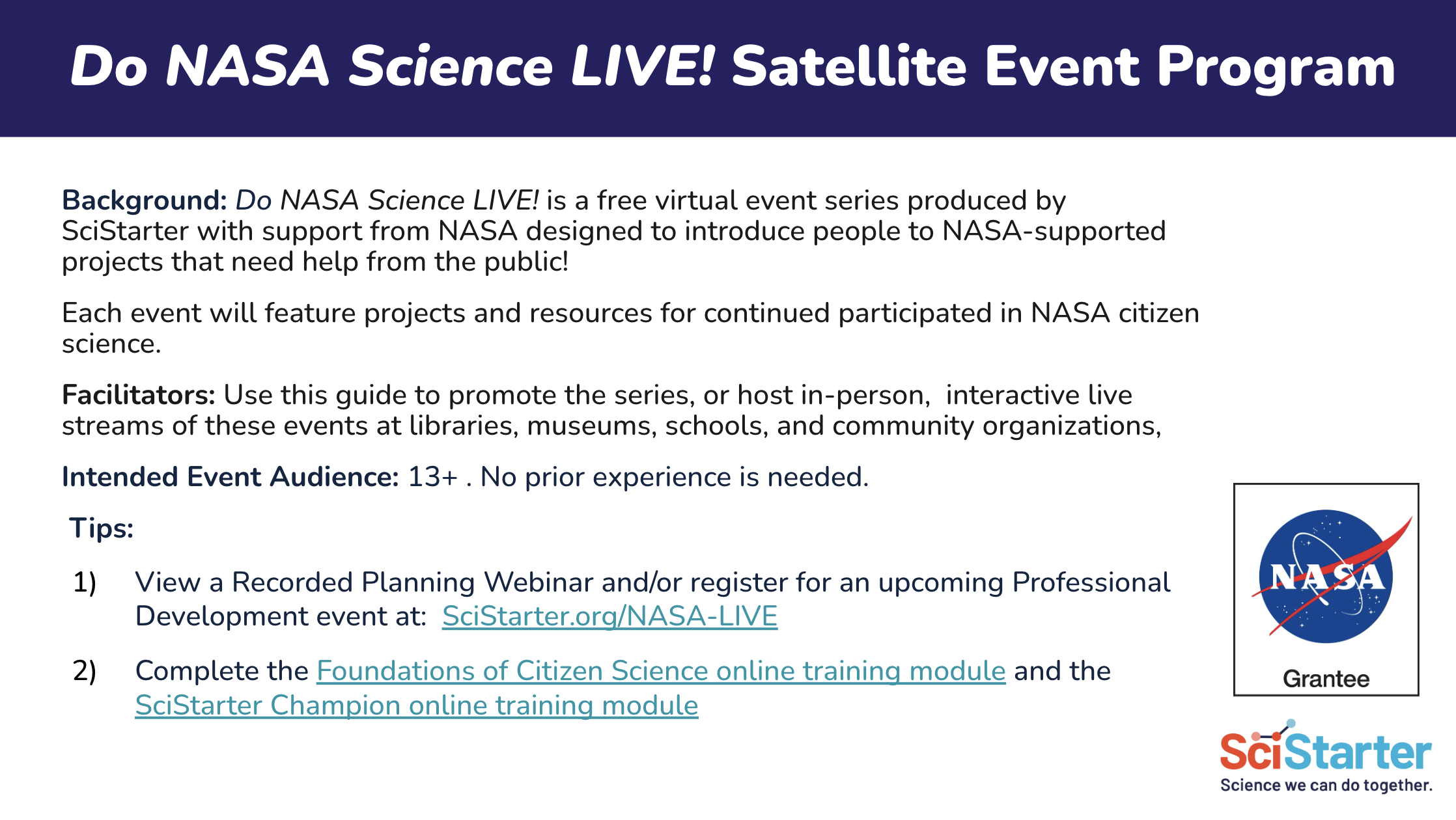
These events combine a live presentation with hands-on participation, allowing attendees to learn from the presenters and contribute to NASA-supported science in real time. SciStarter produces the virtual event and provides the resources—you provide the space and people!
“Very informative and fun!” “My patrons really enjoyed [the project]”
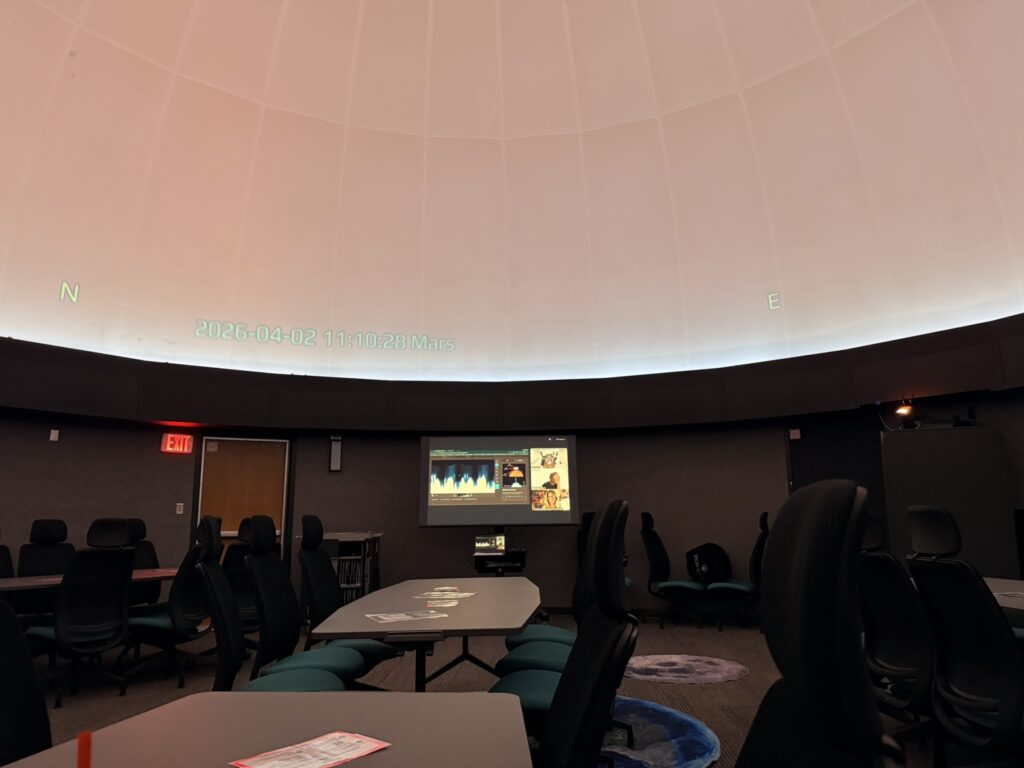
Any organization can host an in-person event that accompanies our virtual livestream. As the host, you will display the Zoom event on a large screen so attendees can watch the presentation and follow along with the live event. At the same time, attendees will participate in the featured citizen science project using their own devices, such as phones, tablets, or laptops. For each Do NASA Science LIVE event, we award a limited number of hosts $500 mini-grants to support event needs.
How to Host
- View our event schedule and register as a host for an event with a topic, date and time that fits your group’s schedule.
- Reserve a space for hosting your event. Make sure it has tables, seating, reliable Wifi, and a large screen with audio equipment for livestreaming with the SciStarter team and Do NASA Science LIVE host.
- Promote your event with the materials that we provide in the Event Toolkit. These toolkits are tailored to the featured projects and are ready for immediate use. Note, your attendees do not need to register through SciStarter for this event, but we encourage you to track your event’s attendance.
- Livestream & Do NASA Science using the provided Zoom link for the Do NASA Science LIVE event. SciStarter and the project team will moderate over the course of the Zoom call. Provide materials from the event toolkit to your attendees ahead of time (printable instructions, take-home flyers, etc.).
- Provide light facilitation as needed: repeat instructions, add questions to the Zoom Q&A, and assist attendees with their devices if necessary.
Still want to know more about the hosting experience? Watch our recorded event
RECORDED EVENT
Zoom

Become a Facilitator for Do NASA Science LIVE!
The February 11, 2026 Do NASA Science LIVE! event will feature the project Dark Energy Explorers. Watch this recording to learn about the event series and how you can help connect more people to NASA citizen science—on February 11 and during future events.
Next Steps
Event Toolkits
The SciStarter team prepares Event Toolkits for each event. The format of each Do NASA Science LIVE event will look similar, but the topics can vary widely. To best prepare you to host and to help you sustain engagement after each event, we provide information about the featured project, a recommended event schedule, promotional advice and support, printable instructions and handouts, and more. Additionally NASA offers a NASA Citizen Science Librarian Toolkit to help libraries and other organizations lead their own NASA Citizen Science event.
Event Flow
The livestreamed Zoom event produced by SciStarter has a run time of 1 hour and 30 minutes. We recommend you invite your attendees to join you 15-30 minutes before the Zoom event’s start to orient them to citizen science. Here is a sample 2-hour event flow:
Prepare Your Event Space
- Set up tables and chairs, lower projector screen or prepare a monitor, test your Wifi connection and A/V capabilities.
- Set up loaner laptops or tablets
- Print handouts and take away materials
Attendee Arrival
00:00
- Welcome activities, offer food/drinks, etc.
- Introduce citizen science using the facilitator slides and guide from the Foundations training.
- Pass out the printed setup instructions.
Zoom Event Begins
00:30
- Display the Zoom event on a large monitor at the front of the room, enable speakers so the Zoom audio can be heard. Introduce your event’s name or location in the chat!
- The SciStarter team will provide a simple introduction to the project topic and guest speakers before jumping into the participation setup.
- Watch parties may opt to keep their cameras on to show off their group’s participation.
Project Demonstration
& Interview
00:45
- The Zoom presenters will demonstrate to the audience how to participate in the project.
- The guest speakers will share more information about the project, such as: What is the goal of the research? How does our participation help the research? Etc.
Active Participation
with Q&A
01:15
- Participants will be prompted and encouraged to participate on their own devices.
- Audience members can add questions to the chat and Q&A for the moderators to share on the Zoom call.
- Watch parties will be prompted to keep their camera on for a group screenshot of the event during this time.
Event Closing
01:45
- The SciStarter team will wind down the event activity and share a resource for continued participation.
- Participants will be asked to provide feedback in a brief survey after the event or in the chat.
- Pass out take-home flyers before your attendees leave to help them participate from home.
Looking for more information on what the event looks like and how to prepare before the event?
Check out the Do NASA Science LIVE! satellite event host mini guide.
I can’t host an in-person event. How can I promote virtual participation in the Do NASA Science LIVE! series?
Thank you for your interest! You can help promote virtual participation by printing and displaying posters at your library or organization. Share the registration link with your community to encourage individuals to join the event from home.

Support Do NASA Science LIVE! Events
Welcome SciStarter Ambassadors and NASA Solar System Ambassadors! Ambassadors help communities participate in NASA citizen science by hosting, supporting, or moderating events. Your involvement is reportable as an official Ambassador event.
Upcoming Webinars and Professional Development Events
RECORDED EVENT
Zoom
Become a Facilitator for Do NASA Science LIVE!
The February 11, 2026 Do NASA Science LIVE! event will feature the project Dark Energy Explorers. Watch this recording to learn about the event series and how you can help connect more people to NASA citizen science—on February 11 and during future events.
Do NASA Science LIVE! is a virtual event series from SciStarter, supported by NASA.