Category: Climate & Weather
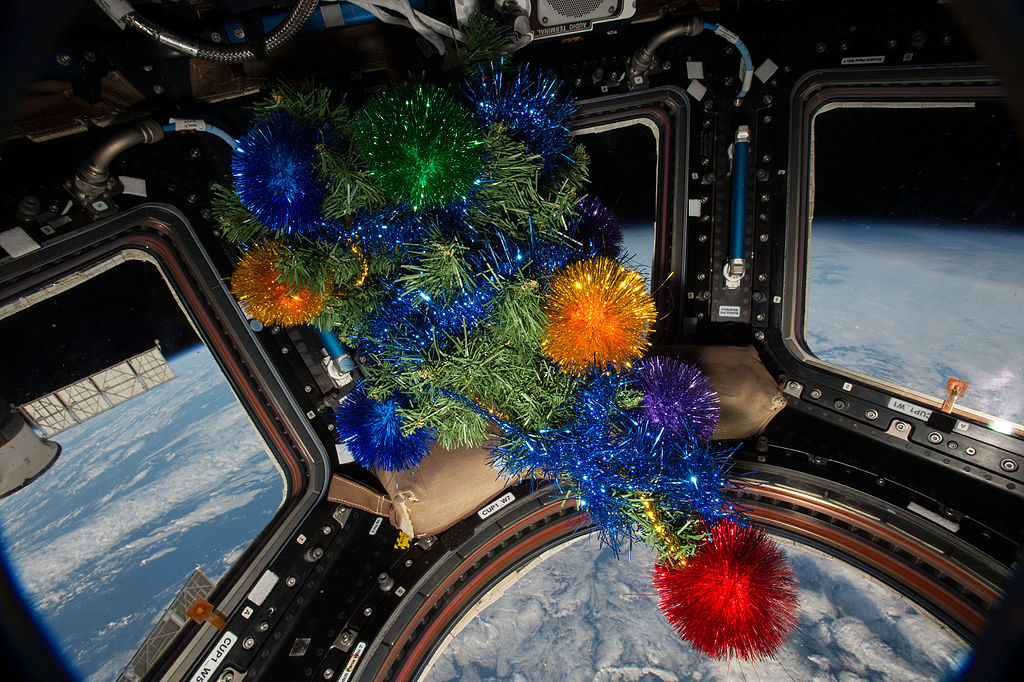
Looking for a special gift for the citizen science lover in your life? You’ve come to the right place! In this podcast, we share expert picks for over a dozen unique gifts your friends and family will enjoy while they help scientists conduct important research. Listen: https://citscipod.podbean.com/e/scistarter-holiday-gift-guide-live/ Projects and websites featured in this episode include: […]
Read More
Our oceans are vast, powerful and mysterious — and even after centuries of study, there are still many things scientists don’t know about our planet’s blue expanses. But the ocean affects all of our lives intimately, even those of us who live far from the coast. Oceans provide food for billions of people, shape weather […]
Read More
At NASA GLOBE Clouds, our science team uses observations from citizen scientists like you to help us better understand the data our satellites collect. Using the GLOBE Observer app, volunteers send us observations of clouds taken while a satellite is overhead, which we then compare to our satellite measurements of the same clouds. In just […]
Read MoreLost your smartphone? Rabbits eating all your sunflowers? Can’t seem to find opportunities right for you? Sometimes doing citizen science can bring some unexpected problems. But take heart — whatever challenge you’re facing, you’re likely not the first one to deal with it. We surveyed SciStarter’s users about the problems they’ve encountered while trying to […]
Read More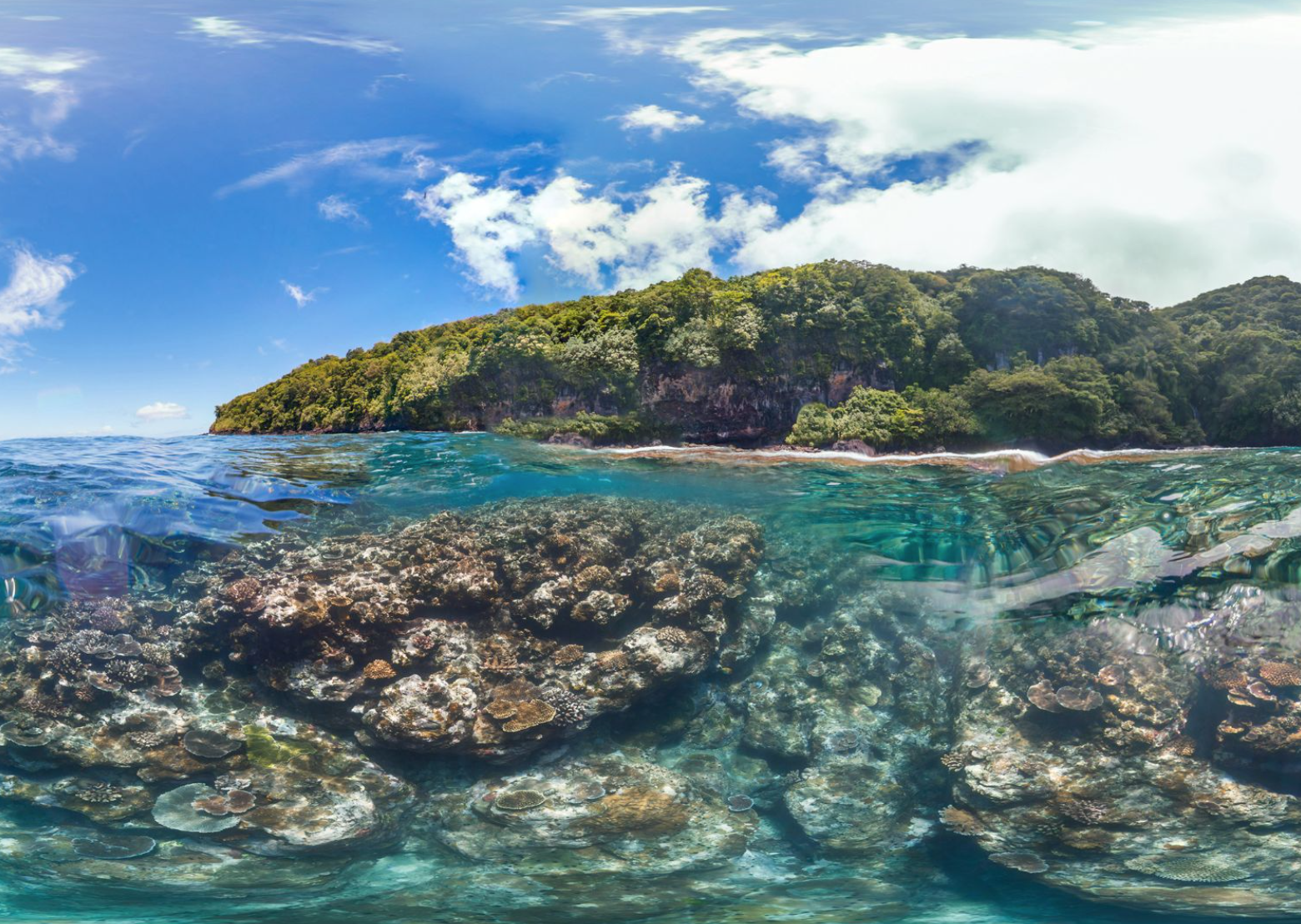
This post is based on the latest episode of our podcast, Citizen Science: Stories of Science We Can Do Together! In it, co-host Bob Hirshon and Caroline Nickerson discuss some of the inspiring citizen science work conducted under the auspices of the National Oceanic and Atmospheric Administration (NOAA). Listen here: Citizen Science: Stories of Science […]
Read More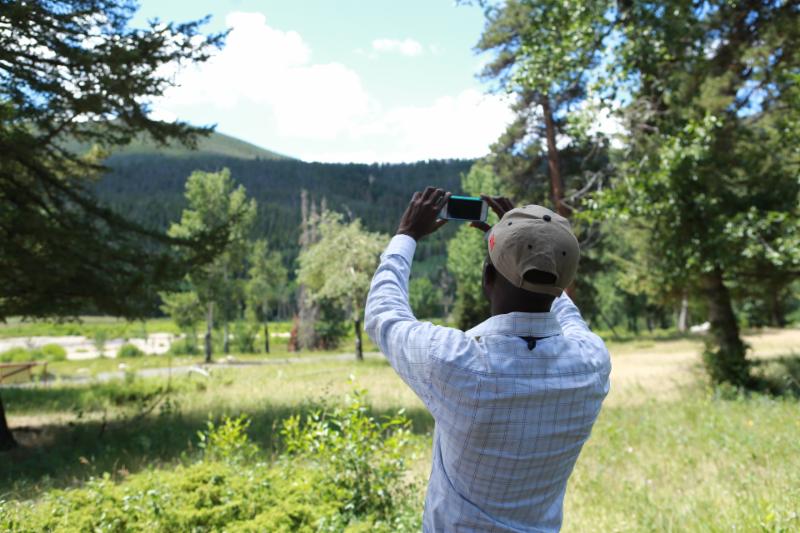
Researchers can accomplish amazing things these days with satellites — they can study clouds and climate, forests and land use change and even bird migrations. But with so much satellite data, it can be hard to match up measurements from the sky above with information about what’s actually on the ground. That’s where citizen scientists […]
Read More
Anyone, anywhere, at any time can turn their curiosity about nature into real-world impact by volunteering online with citizen science. Caroline Nickerson, Miss Louisiana Earth, is hosting an online challenge with SciStarter, Cartoscope, Healthy Gulf and Northeastern University for the general public from August 1 – August 14 to volunteer online and map land loss. […]
Read More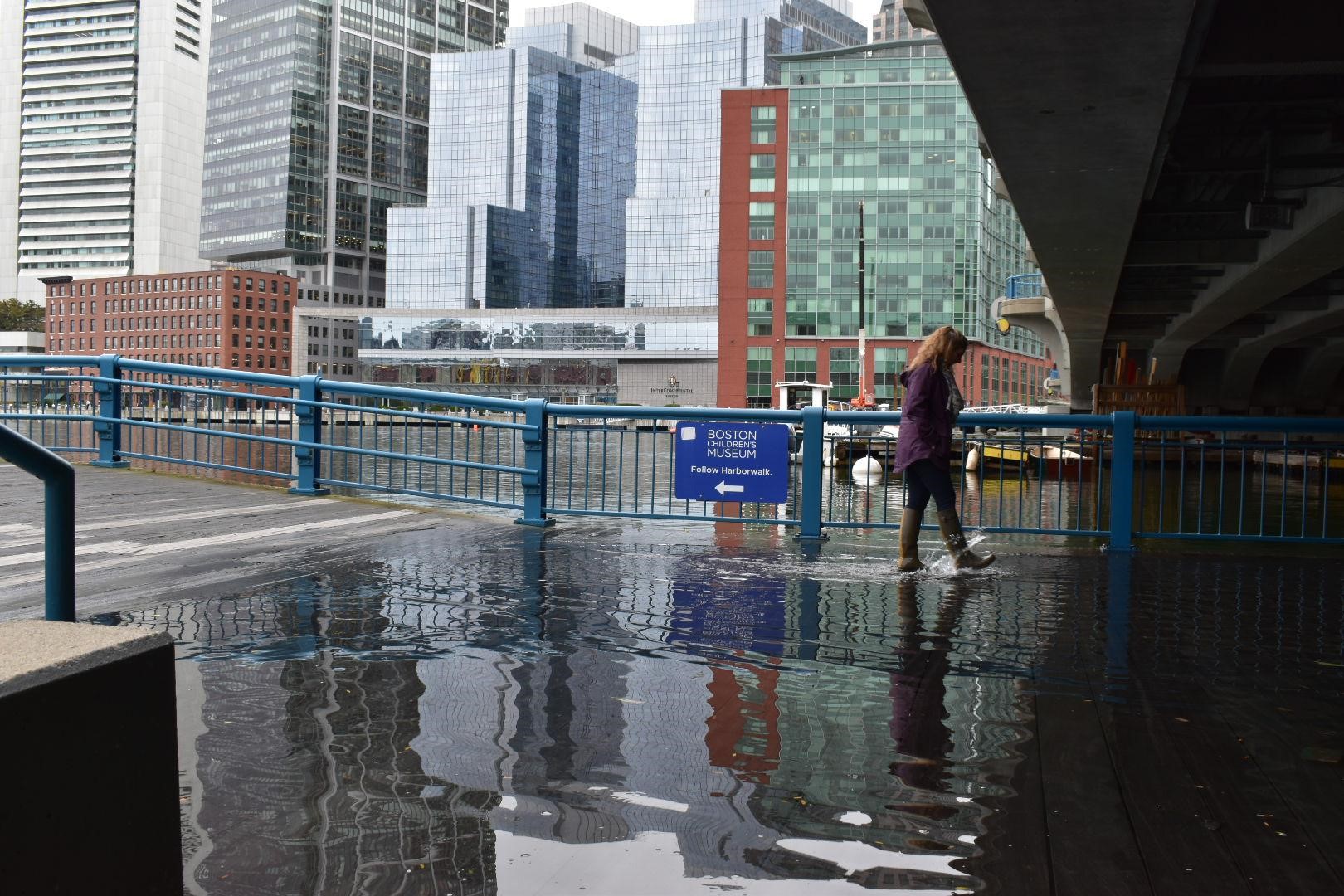
Wicked high tides, also known as king tides or astronomical high tides, are a natural phenomenon that occur several times a year in certain areas around the globe. In the Boston area, these events usually happen in March and October. This is when there is a full or new moon, and the Earth, Sun and […]
Read More
Your experience of climate change is likely different than that of your relatives living in another state, and probably even different than your cross-town friends. The dispersed nature of climate effects means that they can be felt differently across individual neighborhoods, even within the same city block. Seemingly mundane factors drive these differences: how much […]
Read MoreGuest Post by Sarah Jones Learn more about Budburst on SciStarter. Link to https://scistarter.org/budburst Join Communities Across the World in Observing Plant Life Cycles – Any Plant, Any Place, Any Time! I haven’t always loved plants. I loved the animals that took shelter in branches, eating leaves and fruits. I loved the lake surrounded by trees […]
Read MoreWhat is SciStarter?
SciStarter is the place to find, join, and contribute to science through more than 3,000 formal and informal research projects, events and tools. Our community of citizen science projects enables discovery, organization, and greater participation in science. This is also the place to track your contributions, bookmark things you like, and network with others. Join SciStarter to get started.
Connect with us
You can also signup for our newsletter.
Categories
- AAPS
- About Us
- Accessibility
- Affiliate Tools
- Alzheimers
- Ambassadors
- America 250
- Amphibians
- Analyzing and interpreting data
- Animals
- API
- Apps
- Archeology
- Artificial Intelligence
- Asking questions (for science) and defining problems (for engineering)
- Astronomy & Space
- Astronomy Magazine
- ASU Citizen Science Maker Summit
- Bats
- Biology
- Birds
- book
- Book Review
- Calendar
- Chemistry
- Citizen Science
- Citizen Science Conference
- Citizen Science Day
- Citizen Science Month
- Citizen Science News
- CitSci Research
- CitSciAfrica
- Climate & Weather
- Computers & Technology
- Constructing explanations (for science) and designing solutions (for engineering)
- Contest
- CSA 2017
- Developing and using models
- Do NASA Science LIVE!
- Do-It-Yourself
- EarthSchool
- Ecology & Environment
- Education
- Engaging in argument from evidence
- Environment
- EPA NACEPT
- Events
- Featured Projects
- Field Guide to Citizen Science
- Flyways
- Gaming
- Geology & Earth Sciences
- Girl Scouts
- Global Citizen Science Month
- Guest Contributor
- hackfest
- Health
- In the News
- Insects
- libraries
- Library
- mammals
- Museum
- NASA
- National Citizen Science Day
- Nature & Outdoors
- Newsletter
- NNLM
- Obtaining, evaluating, and communicating information
- Ocean & Water
- Other
- Physics
- Planning and carrying out investigations
- podcast
- Press Release
- Program Ideas
- Project Leaders
- Project Profile
- Science Cheerleaders
- Science Education Standards
- Science Policy
- Science Practices
- SciFests
- SciStarter News
- Staff Spotlight
- This Day in Science History
- Tools
- Uncategorized
- University
- USA Science and Engineering Festival
- Use of Citizen Science data
- Using mathematics and computational thinking
- Verizon
- videos
- Volunteer at SciStarter
- webinar
- Webinar
- Workshop Affiliate Tools
- Workshops