At SciStarter, Disability Pride Month is an opportunity to celebrate the contributions, perspectives, and experiences of people with disabilities while recognizing the importance of creating opportunities for everyone to participate in scientific research. Across the citizen science community, project leaders and volunteers are finding creative ways to remove barriers, making participation more accessible and strengthening science in the process.
When projects are designed with accessibility in mind, they don’t just expand who can participate. They also benefit from the unique skills and perspectives that participants bring. This month, we’re highlighting a few inspiring examples of citizen science projects that are broadening participation and helping create a more accessible world.
One great example comes from FrogWatch USA.
FrogWatch USA volunteers monitor local frog and toad populations by identifying species through their calls. Because observations rely primarily on listening rather than sight, the project naturally creates opportunities for people with vision impairments to participate. One FrogWatch coordinator in the Pacific Northwest shared that several student observers with sight impairments excelled at identifying frog calls because of their highly developed listening skills.
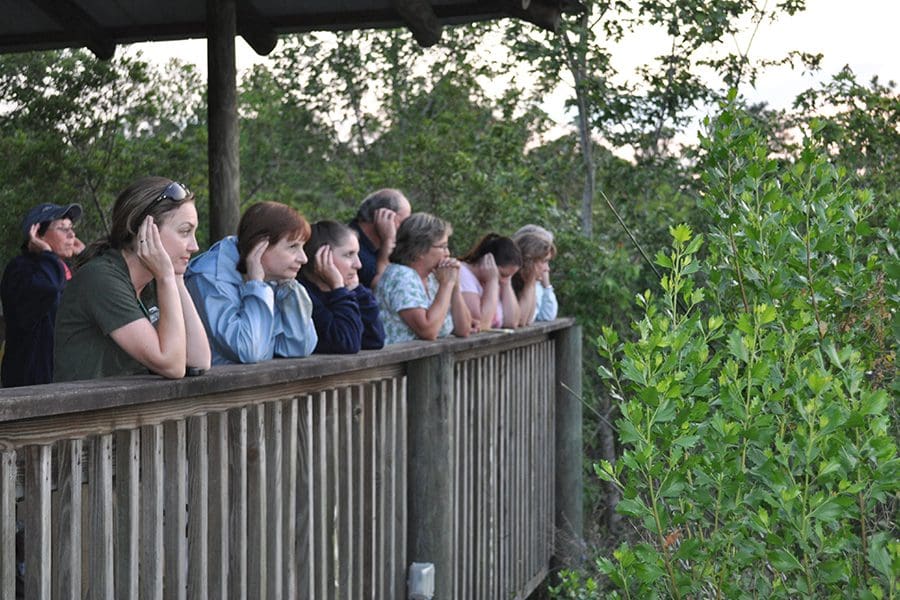
Accessibility can also mean making small adjustments that have a big impact. Pammi Price, a FrogWatch coordinator with the Albany Pine Bush Preserve Commission, identified a roadside observation site where a volunteer who uses a wheelchair could comfortably conduct surveys from their vehicle. The same location also worked well for another participant who preferred to avoid trails because of concerns about ticks, illustrating how thoughtful accommodations often benefit many people, not just one individual.
“It turned out to be a great way to make community science more accessible and to build community among the FrogWatchers.”
Pamela (Pammi) Price,
Preserve Naturalist & Educator
Albany Pine Bush Preserve Commission
Finding Accessible Places to Connect with Nature
Birdability empowers birders to document and rate the access features of birding locations. Volunteers evaluate features such as trail surfaces, parking, benches, accessible restrooms, interpretive programs, and bird blinds, helping people with disabilities and other health concerns find places where they can enjoy birds and nature with confidence.
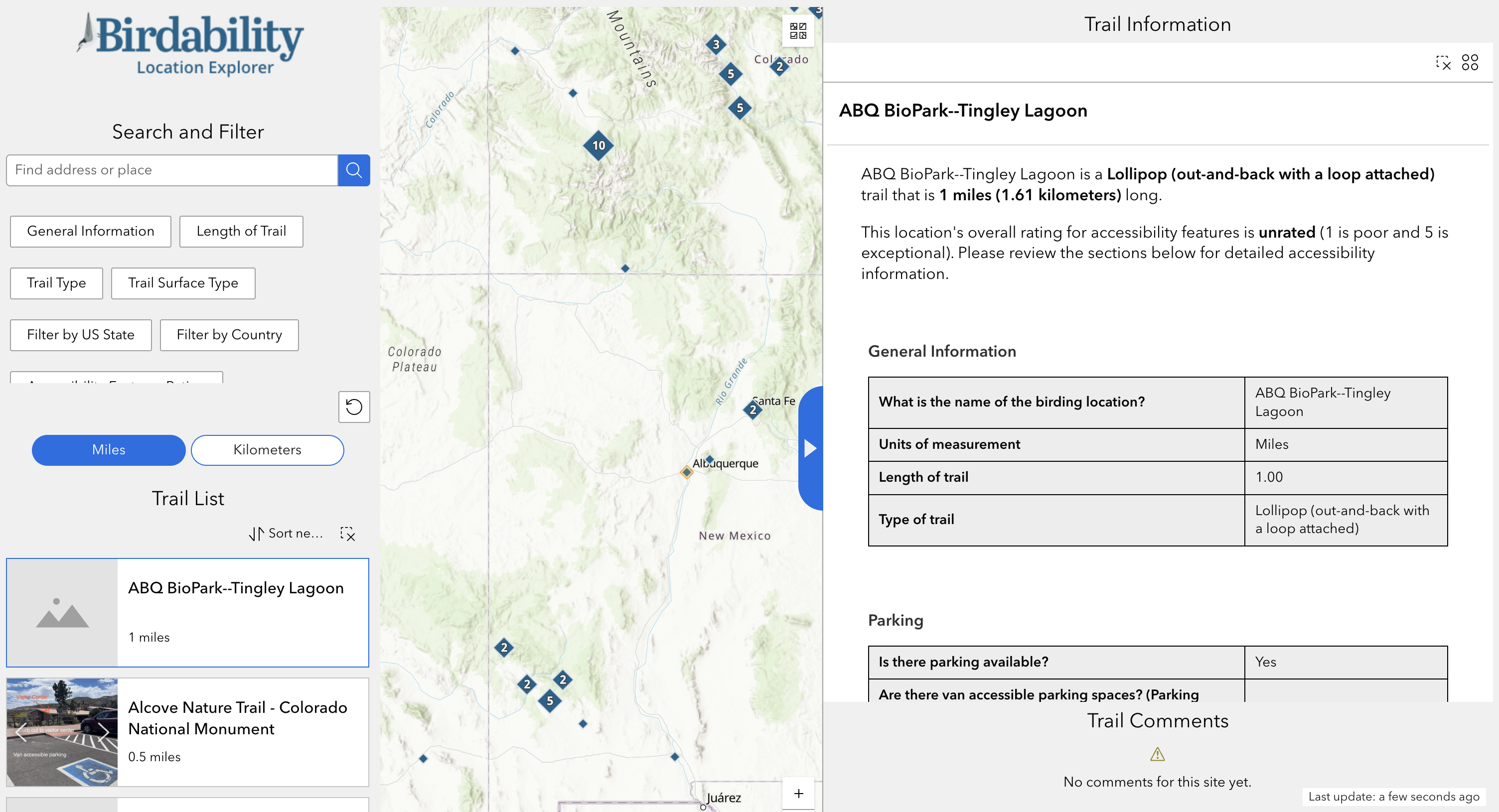
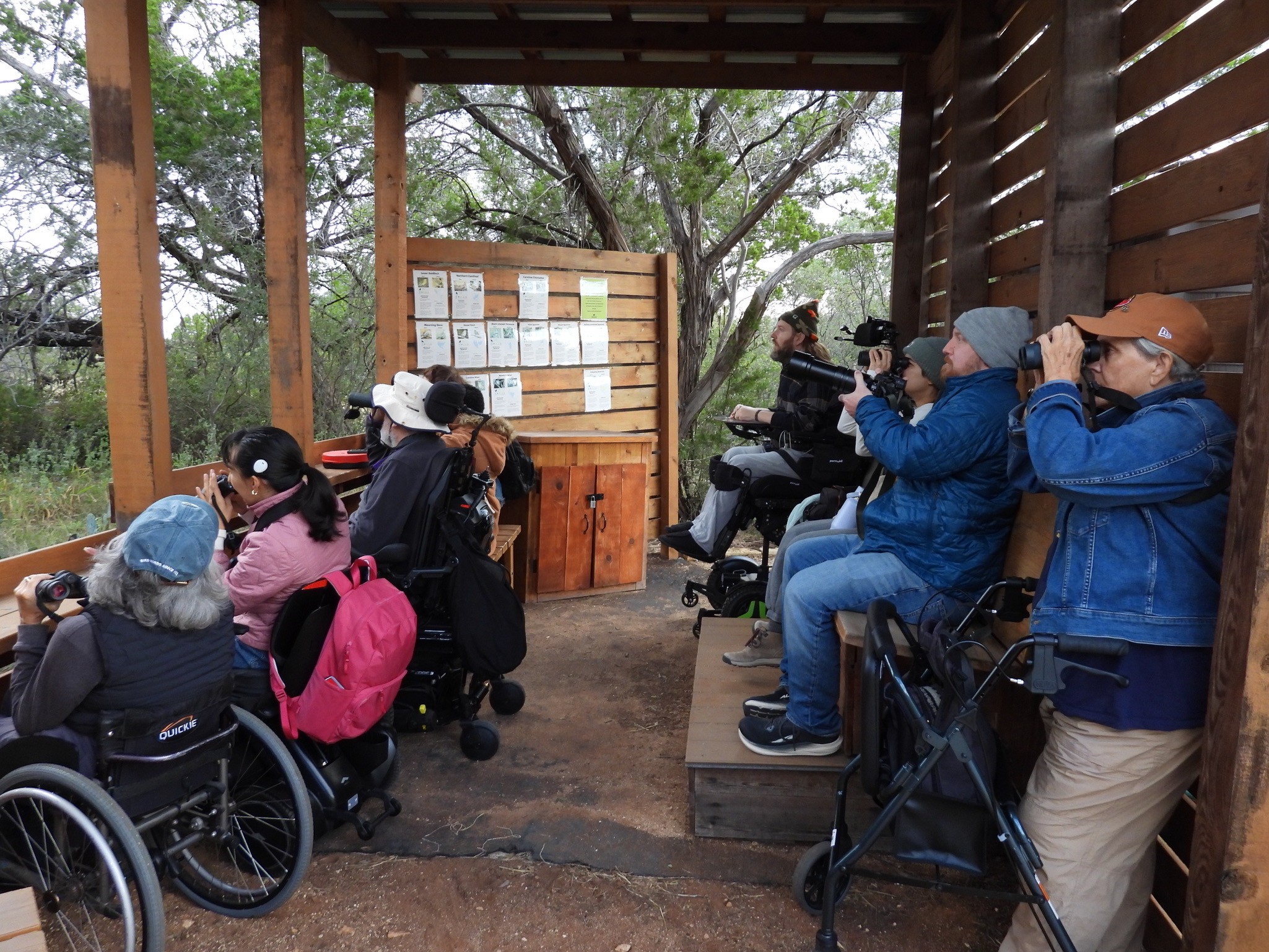
Birdability users benefit from the map by finding birding locations that best meet their individual needs, while citizen scientists of all backgrounds and abilities work together to build the resource, expanding our shared understanding of what accessibility can look like. SciStarter recently partnered with Birdability for a webinar highlighting citizen science projects with unique features that make it possible for every body to participate. Together, these projects demonstrate that there are many ways to contribute to scientific research and that creating opportunities for participation can take many different forms.
Some Projects Invite Volunteers to Improve Accessibility Itself
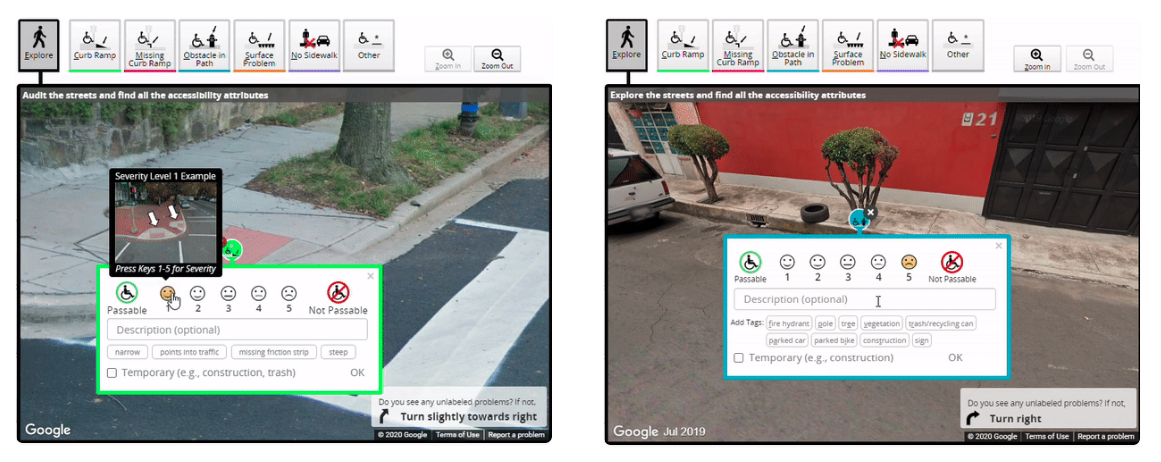
Project Sidewalk, an online citizen science project that helps improve sidewalk accessibility around the world, invites volunteers to scan Google Street View imagery to identify features such as curb ramps, missing sidewalks, obstacles, and other conditions that affect how easily people can navigate their communities. While the project relies heavily on visual interpretation and parts of the website may not be accessible to everyone, its mission reflects an important principle: accessibility is a shared responsibility. By categorizing the state of each pedestrian feature in a town, volunteers help create data that researchers, planners, and local governments can use to build communities that are safer, well maintained, and more accessible for everyone.
Each of these projects takes a different approach, but they share a common goal: making science and communities more inclusive. Sometimes that means designing research so more people can participate. Other times, it means contributing data that helps remove barriers for others.
During Disability Pride Month, we celebrate the people and organizations working to make citizen science more welcoming and inclusive. The three projects featured here are just the beginning. We invite you to explore the many more opportunities available through the SciStarter Project Finder and discover projects that align with your interests and connect you with opportunities close to home.
When more people can participate in science, everyone benefits.