<< Return to 12 Months of Citizen Science Programming
January: Do NASA Science LIVE!
Activity Type
Explore and classify data for NASA
Topic
NASA, space research, planetary science, Earth science
Audience
Teens, Adults, Families, Intergenerational groups
Location
Indoors, possibly in a computer lab
Materials
Each participant needs an internet-connected tablet or computer
Low Tech Options
Encourage participants to bring their own devices. This project uses a mobile app.
Program Description
Join a Do NASA Science LIVE! event and connect your community with NASA-supported citizen science. Participants will collaborate with scientists and volunteers around the world in a live Zoom event while contributing to real NASA research.
Each Do NASA Science LIVE! event features a different NASA citizen science project. The November 2026 project will be announced soon. Review the resources below to prepare for hosting your event.
As the facilitator, you’ll livestream the event in your space, welcome participants, help them get started, and support questions during the activity. SciStarter and the NASA project team will lead the live program—you simply create a fun, engaging environment for your community.
PLAN for a one-hour and 30-minute event
Prep (2-3 hours)
- Attend or watch a recording of a facilitator workshop to gain the most up to date information.
- Determine what resources you will use from the event toolkit provided by SciStarter. See an example
from April 2026 here. Prepare materials at your own pace and schedule. - Register for the Do NASA Science LIVE! Zoom event, your in-person attendees will not need to register.
Event Flow
- Before the Zoom event: Prepare and test the event space, welcome participants, and sign into the Zoom event waiting room.
- During the Zoom event: Encourage questions and discussion during the live Q&A. Light facilitation might be necessary to ensure instructions for set up are understood.
- After the Zoom event: Celebrate participants’ contributions and share take-home resources before they leave.
*Incentive suggestions: Certificate recognizing the “Top Citizen Scientist,” free used book from the Friends of the Library bookstore, Sticker or button (see SciStarter designs), Brain teaser/puzzle book, Gift card.
No prior experience is needed—just curiosity. Participants of all ages can contribute to real NASA research and learn how we can accelerate discovery.
Featured Project – To Be Announced
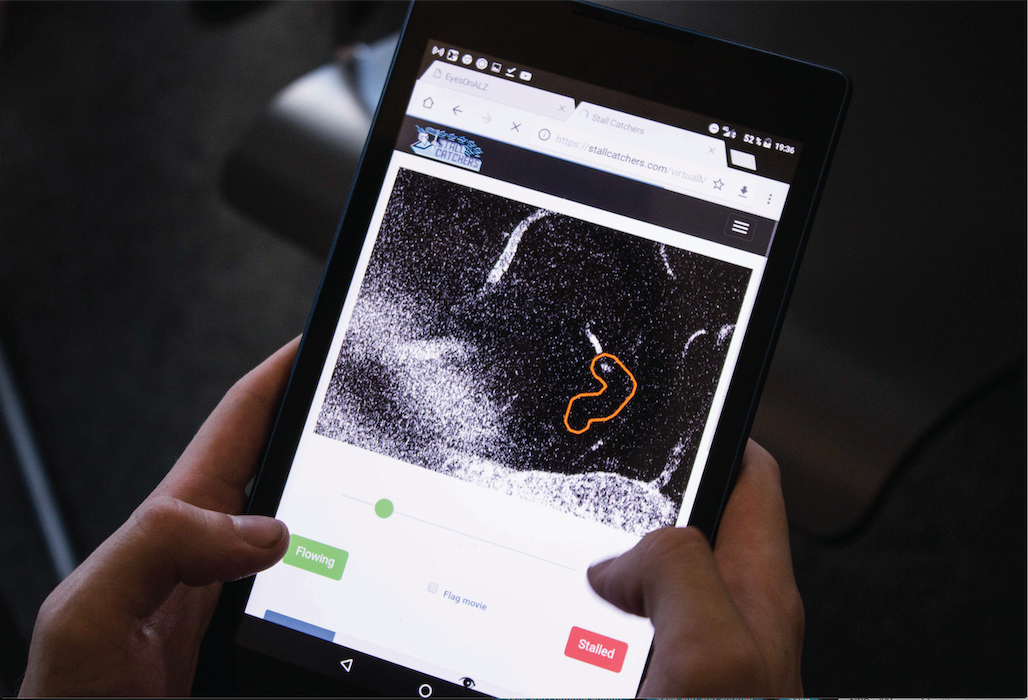
Merlin Bird ID
Help accelerate Alzheimer’s disease research by playing an online game that identifies stalled (blocked) blood vessels in the brains of mice.

Anytime

Indoors

Game, Health & Medicine, Brain science
See all NASA Citizen Science Projects at SciStarter.org/NASA.
Program Resources
An Introduction from the Project Leader
Start your event with this short video introducing Stall Catchers and explaining how participants contribute to Alzheimer’s disease research.
View this recorded Do NASA Science LIVE! event from April 2026
Acts of Science: Connected – What’s the Weather like on Mars?
Libraries and community organizations joined the NASA-supported Cloudspotting on Mars project team and SciStarter for a live citizen science event.
Complementary Projects & Resources
January is also a great time to explore winter landscapes. Consider exploring the below projects.

GLOBE: Observer Land Cover
Survey the landscapes where you are to support NASA research and complement satellite data.
Anytime
Outdoors
Nature, snow, satellites